









Introduction to Stadio Olimpico
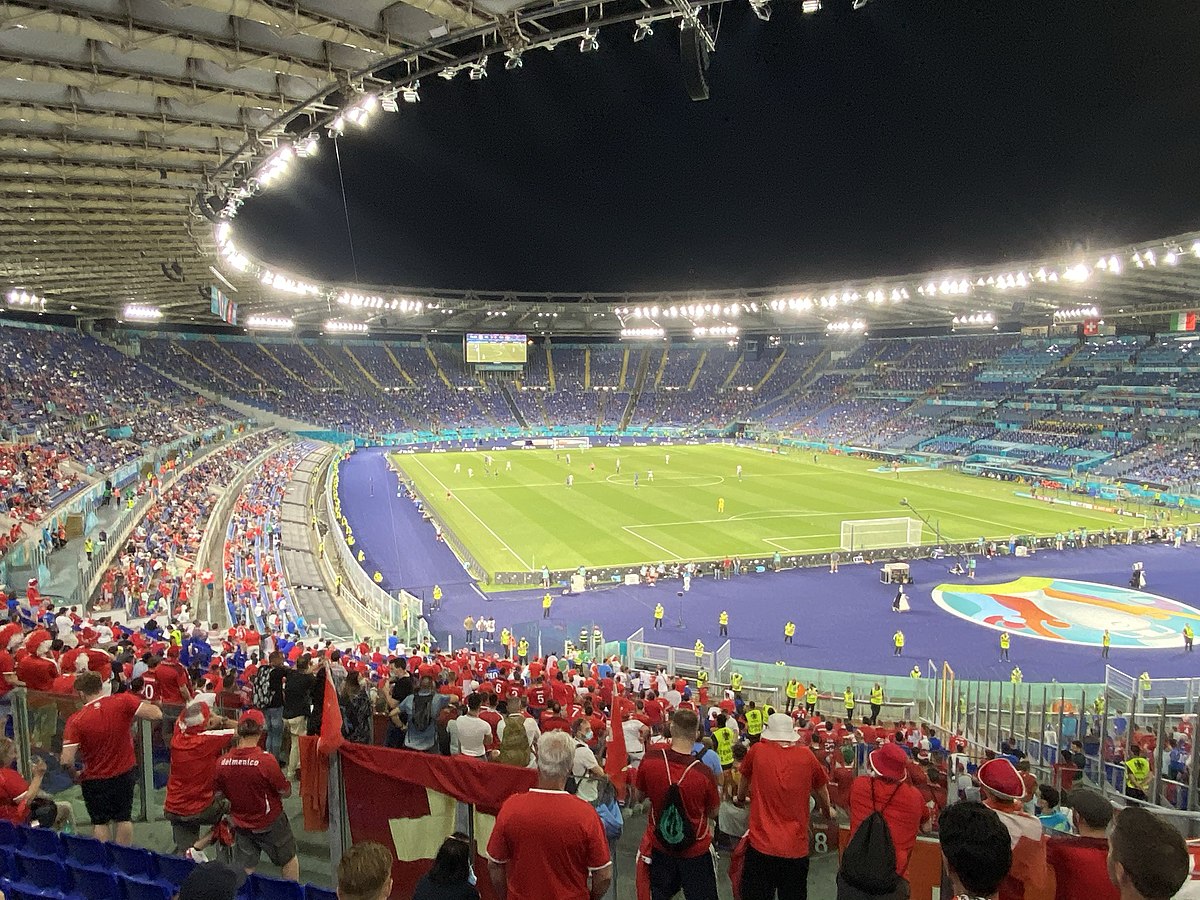
Stadio Olimpico, located in Rome, Italy, is one of the most iconic sports venues in the country. Opened in 1932, it has a rich history of hosting a variety of events, from football matches to athletics competitions, and is particularly known for being the home of A.S. Roma and S.S. Lazio. Its significance extends beyond sports, being a cultural symbol and a focal point for major events, including the 1960 Summer Olympics and the UEFA Champions League finals.
Architectural Features and Capacity
The stadium, designed by the Italian architect Luigi Moretti, features an impressive neoclassical design with a seating capacity of approximately 70,000. Recent renovations, completed ahead of the 1990 FIFA World Cup, modernised many of its facilities, ensuring it meets international standards. Its distinct oval shape and towering stands create a vibrant atmosphere that enhances the spectator experience during matches and events.
Recent Events at Stadio Olimpico
In 2023, Stadio Olimpico continues to host a variety of events that draw large crowds. The stadium features prominently in the Serie A league matches, where local teams A.S. Roma and S.S. Lazio compete fiercely. Additionally, the venue has expanded its repertoire to include concerts by top global artists, making it a key destination for entertainment outside of sports.
The Future of Stadio Olimpico
The future of Stadio Olimpico looks promising as discussions about further renovations are ongoing. Local authorities and football clubs are exploring opportunities to enhance its facilities to accommodate a wider range of events and improve fan experience. The potential for hosting major international competitions like UEFA Euro 2032 is also a topic of consideration among stakeholders.
Conclusion
Stadio Olimpico is more than just a sports venue; it is a historical landmark that symbolizes passion and entertainment at the heart of Rome. With its storied past and innovative future, it remains a pivotal site for sports and cultural gatherings, solidifying its place in both local and international contexts. As Rome continues to adapt and grow, Stadio Olimpico will undoubtedly remain central to the city’s identity and pride.