









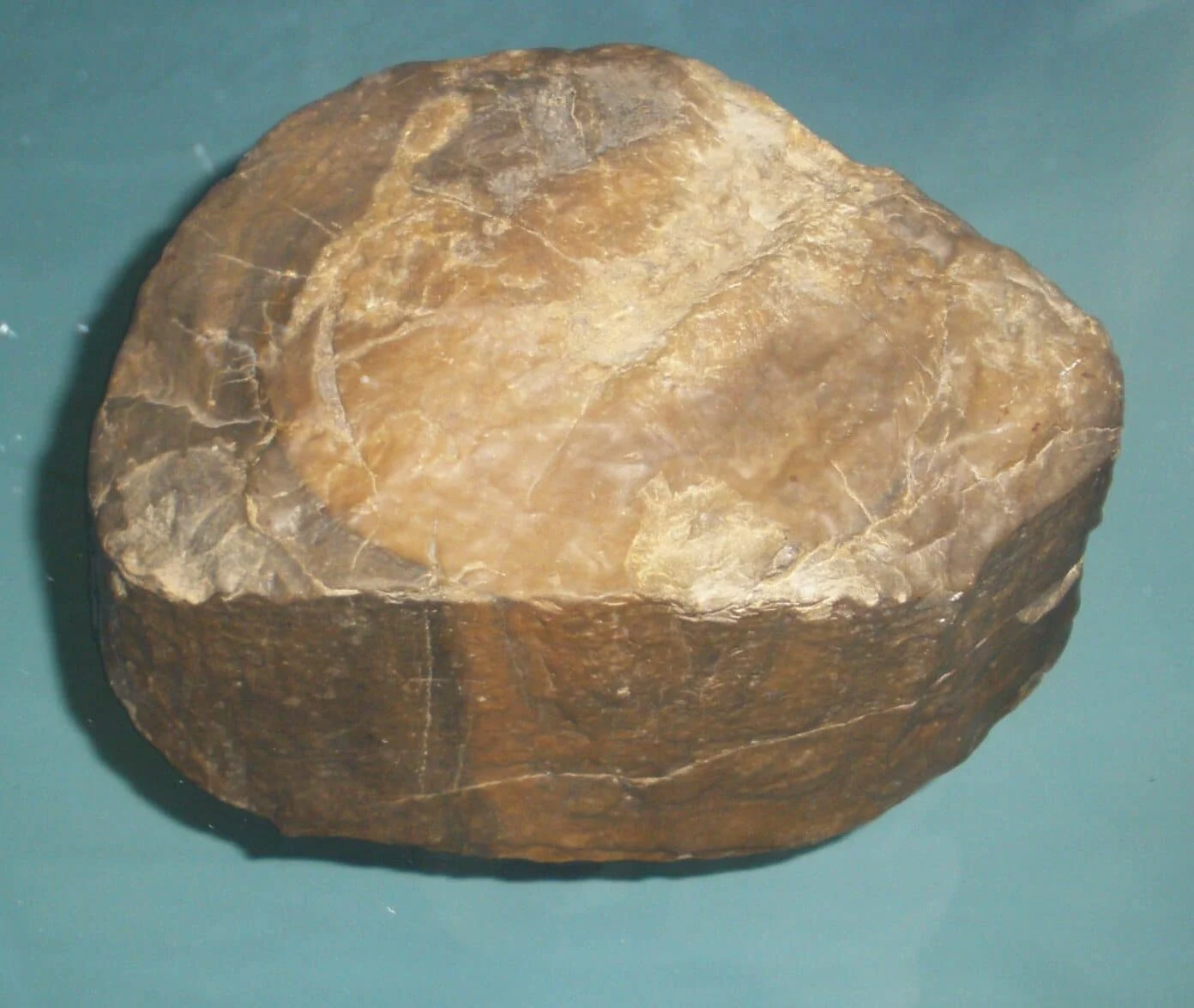
Introduction: The Wonder of Prototaxites
The discovery of Prototaxites fossils in Scotland has generated considerable interest among scientists and paleontologists. This ancient organism, which dates back to the Late Devonian period, is believed to have existed approximately 400 million years ago. The significance of these fossils extends beyond mere historical curiosity; they provide crucial insights into the Earth’s early terrestrial ecosystems and the evolution of life on land.
Uniqueness of Prototaxites
Prototaxites is a fascinating entity, not easily classified into existing categories of life. Initially thought to be a type of plant, further studies have suggested it may be a giant fungal organism, resembling a tree stump or a large mushroom. The recent findings in Scotland’s geological formations contribute to the pool of evidence supporting various hypotheses about Prototaxites’ role in prehistoric environments, serving as a food source and habitat for early land-dwelling organisms.
Recent Discoveries in Scotland
In September 2023, a team of researchers from the University of Edinburgh uncovered well-preserved Prototaxites fossils in the Scottish Highlands. The fossils were found in a sedimentary layer that indicates the area was once a lush, swamp-like environment, rich in biodiversity. This region is pivotal, as the fossils reveal characteristics of early life forms and shed light on the evolutionary transitions that allowed life to thrive outside aquatic environments.
Scientific Implications
The implications of these discoveries are profound. Prototaxites not only provides clues about the types of organisms that existed during this period but also potentially redefines our understanding of ecological interactions in ancient ecosystems. Researchers are particularly interested in the organism’s structure and its relationship with early vertebrates, as fossils have been found alongside remains of primitive fish and other life forms.
Conclusion: A Window into the Past
The study of Prototaxites fossils in Scotland represents more than the uncovering of ancient relics; it opens a window into understanding evolutionary biology, ecology, and even climate patterns of our planet’s past. As scientists continue to explore these findings, we may anticipate new insights that could reshape our knowledge of the very origins of life on land. For students, enthusiasts, and professionals in the field, the ongoing research into Prototaxites promises to be an exciting chapter in the story of Earth’s biodiversity.