








Introduction
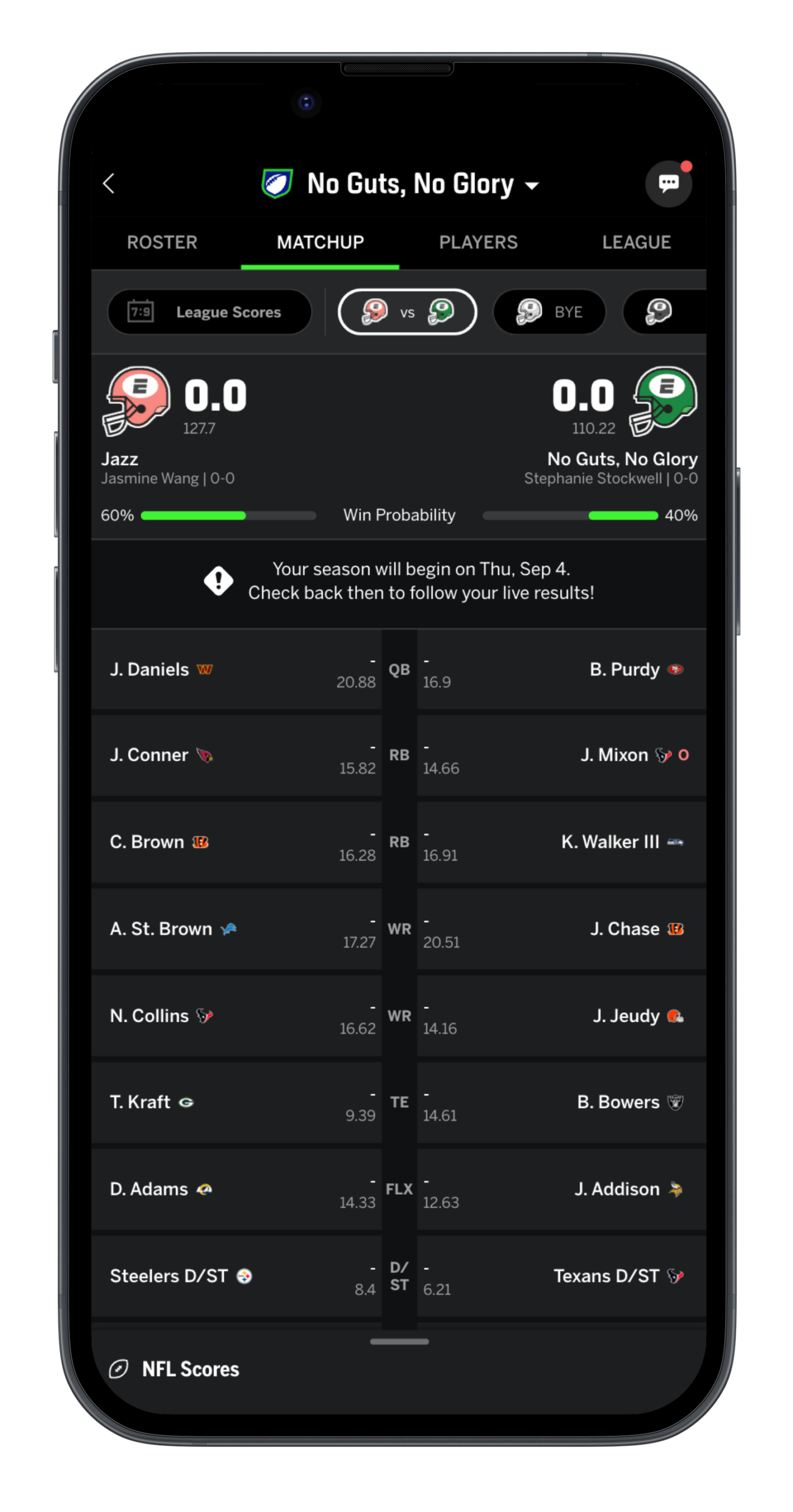
Fantasy football has swiftly become a significant aspect of sporting culture, particularly within the realms of American football. With millions of players worldwide engaging in this online game, its influence stretches beyond mere recreation. As fans participate in drafting players and managing teams, fantasy football fosters community interaction, increases viewership of games, and enhances the overall appreciation for the sport.
The Growth of Fantasy Football
Over the past decade, the fantasy football industry has seen exponential growth, with estimates reporting over 60 million participants in the United States alone as of 2023. This surge can be attributed to various factors, one of which is the rise of technology and social media. Numerous platforms such as ESPN, Yahoo, and CBS Sports provide fantasy leagues, statistics, and analysis, making it easier for fans to engage.
Additionally, the COVID-19 pandemic accelerated the popularity of fantasy sports as many turned to digital experiences for entertainment amidst lockdowns. As traditional sporting events resumed, the fantasy football ecosystem remained strong, drawing in both seasoned fans and newcomers.
Impact on Engagement and Viewing
Fantasy football significantly impacts how fans engage with American football. Studies have demonstrated that fantasy participants watch more games and pay closer attention to matchups across the league compared to non-participants. This expanded interest benefits not just individual events but elevates the entire season’s viewership, which is critical for broadcasters and teams focused on maximizing their audience reach.
The competitive nature of fantasy leagues also promotes conversations among friends, family, and co-workers, fostering community bonds. Weekly game strategies and player performances become topics of discussion, further blending the lines between casual viewing and active participation in the sport.
Conclusions and Future Trends
As fantasy football continues to thrive, its implications for both football culture and business are profound. Companies are increasingly recognising the monetary potential of this engagement, leading to collaborations with tech firms and research into enhanced gamification features among fantasy platforms.
Moving forward, fans can expect continuous innovation in the fantasy sports landscape, including advanced analytics, virtual reality experiences, and even integration with betting markets. The ongoing evolution of fantasy football will likely keep fans engaged, offering them an enriched experience that transcends the traditional confines of game day.
In conclusion, fantasy football is more than just a game; it’s a phenomenon that substantially enhances the way fans interact with American football, promising further growth and excitement in the future.