









Introduction
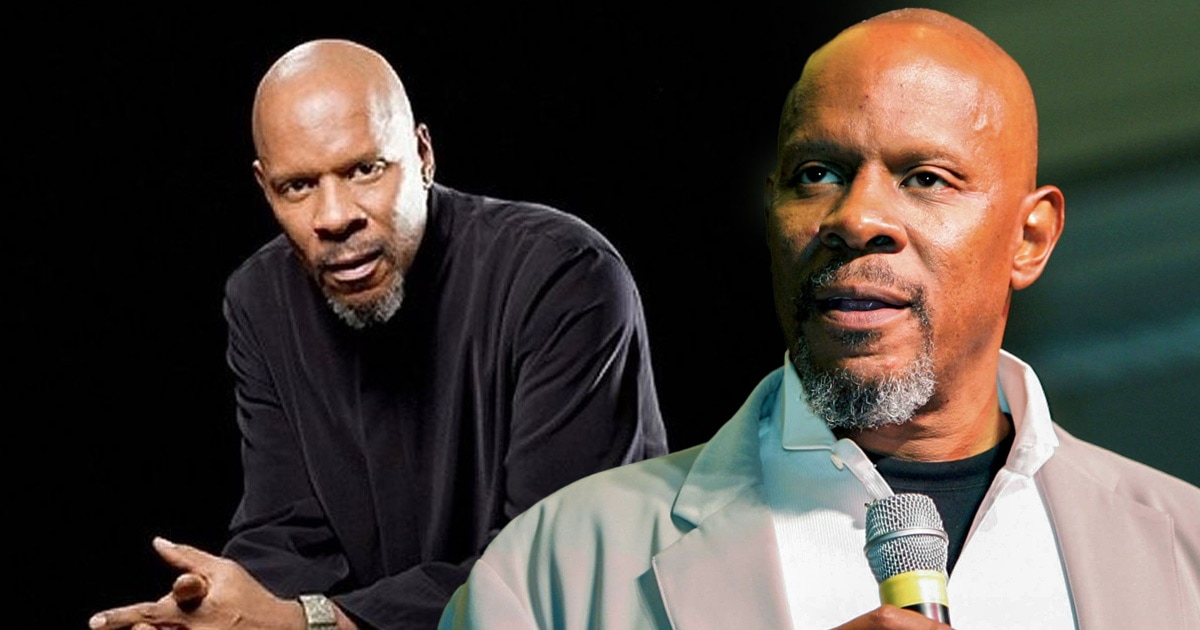
Avery Brooks, an esteemed American actor, director, and educator, has made significant contributions to the performing arts over several decades. Best known for his role as Captain Benjamin Sisko in the iconic series ‘Star Trek: Deep Space Nine’, Brooks has garnered acclaim not only for his impressive acting skills but also for his directorial expertise. His work in television and film reflects a commitment to representing complex narratives and cultural themes, enhancing the visibility of African American stories in mainstream media.
Career Highlights
Born on October 2, 1948, in Evansville, Indiana, Avery Brooks pursued his interest in theatre at Oberlin College, later earning a master’s degree in directing from Rutgers University. His career began on stage, where he had prominent roles in various theatre productions. However, it was the small screen that catapulted him to fame. His portrayal of Benjamin Sisko from 1993 to 1999 not only broke new ground as a prominent black captain in the ‘Star Trek’ franchise but also allowed him to explore themes of leadership, morality, and identity.
In addition to ‘Star Trek’, Brooks starred in the acclaimed series ‘A Man Called Hawk’, a spin-off featuring his character from the original series ‘Spencer: For Hire’, which displayed his range as an actor. Beyond acting, he has directed several episodes of ‘Star Trek: Deep Space Nine’, showcasing his multifaceted talent. His work is celebrated for its depth, often addressing social and racial issues, and he remains an influential figure in the arts.
Recent Developments
While Brooks has stepped back from the public eye in recent years, his legacy continues to inspire both fans and upcoming actors. As of 2023, he has remained largely quiet, with few public appearances, but discussions around potential projects and retrospectives on his work have emerged, reflecting on his impact on television and film. Conversations about diversity in media often reference Brooks’ groundbreaking role and the cultural significance of his contributions to the ‘Star Trek’ universe.
Conclusion
Avery Brooks’ career is a testament to the power of storytelling and the importance of representation in the arts. His dynamic performances and visionary direction have not only entertained audiences but also sparked important conversations about race and representation in the media. As society continues to grapple with these issues, Brooks’ work will undoubtedly remain relevant, serving as a bridge to understanding and appreciation of diversity in entertainment. Looking forward, fans and critics alike hope to see him return to the screen, bringing with him a rich legacy that has shaped the landscape of American television.