









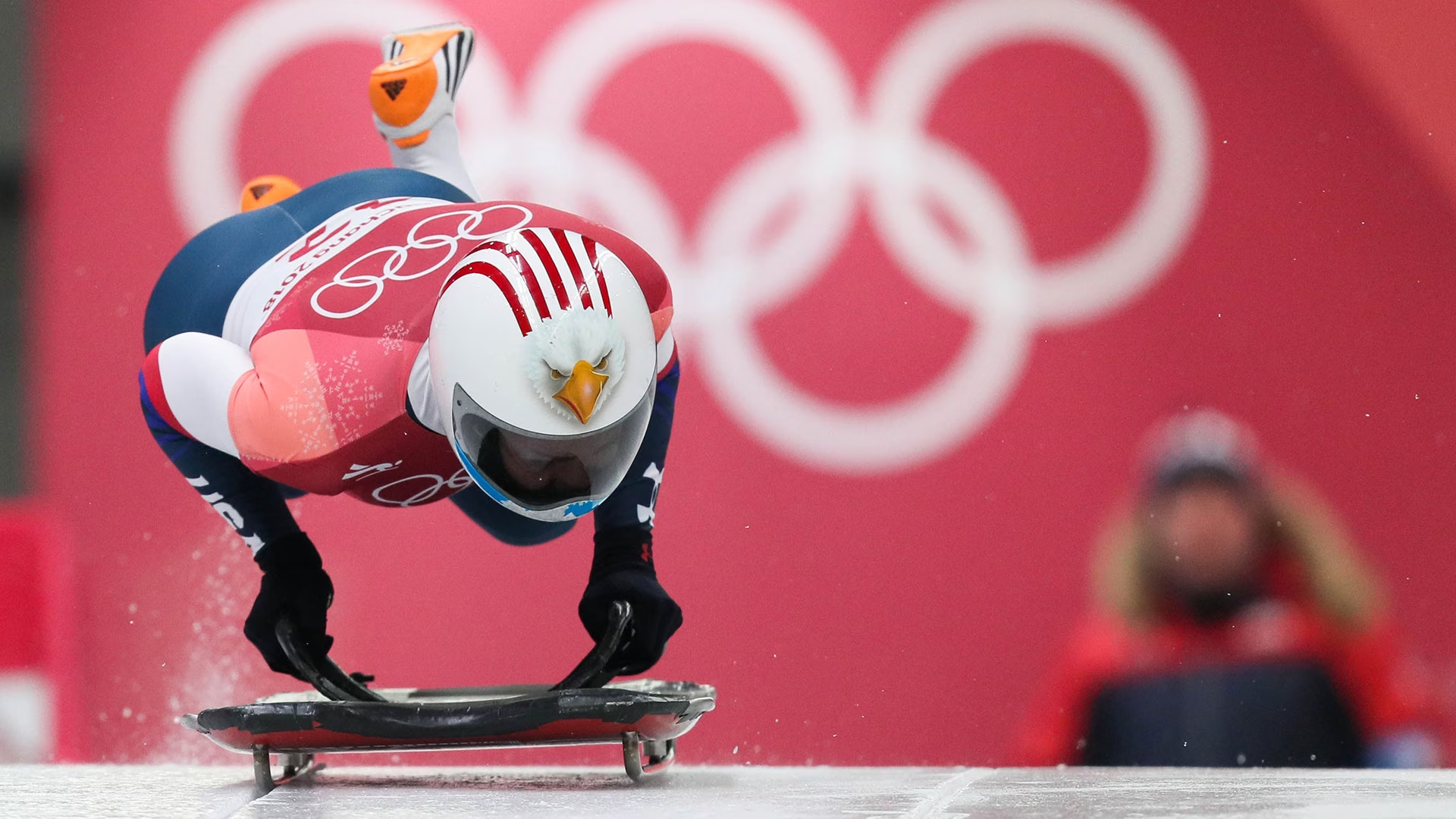
Introduction to Skeleton
The skeleton is one of the most exhilarating sports in the Winter Olympics, known for its unique combination of speed, precision, and bravery. Athletes navigate a small sled down a narrow, twisting, and icy track on their stomachs, competing for the fastest times. This event, which dates back to the early 20th century, gained Olympic status in 2002, showcasing incredible athleticism and technical skill.
History and Development of Skeleton
The origins of skeleton can be traced back to the late 19th century in Switzerland, where competitors raced down a rudimentary track on small sleds. It evolved further at the inaugural Winter Olympics in 1924, where skeleton made its Olympic debut. After a hiatus, the sport returned in 2002 at Salt Lake City, where the current format and rules were cemented, making it a staple of the Games.
Recent Events and Highlights
During the latest Winter Olympics in Beijing 2022, the competition was fierce, with several nations competing for the podium. The athletes displayed remarkable skills, with British athlete Brad Hall finishing in fourth place, narrowly missing a medal. The event also saw Olympic records shattered, with Dutch athlete Jauris Douwes showcasing remarkable speed.
Significance for Future Competitions
As we look forward to the upcoming Winter Olympics in 2026, the skeleton continues to grow in popularity, attracting new talent and audiences. The International Bobsleigh and Skeleton Federation is actively promoting the sport, aiming to enhance its profile and inspire the next generation of athletes. Innovations in sled technology also promise to change the dynamics of the sport, potentially leading to even faster times in future competitions.
Conclusion
The skeleton is not just a test of speed; it is a thrilling spectacle that captures the hearts of winter sports enthusiasts. With its thrilling nature and rich history, it remains relevant on the Olympic stage. As the sport evolves, audiences can anticipate even more excitement and drama, reinforcing skeleton’s status as an essential component of the Winter Olympic Games.