








Introduction
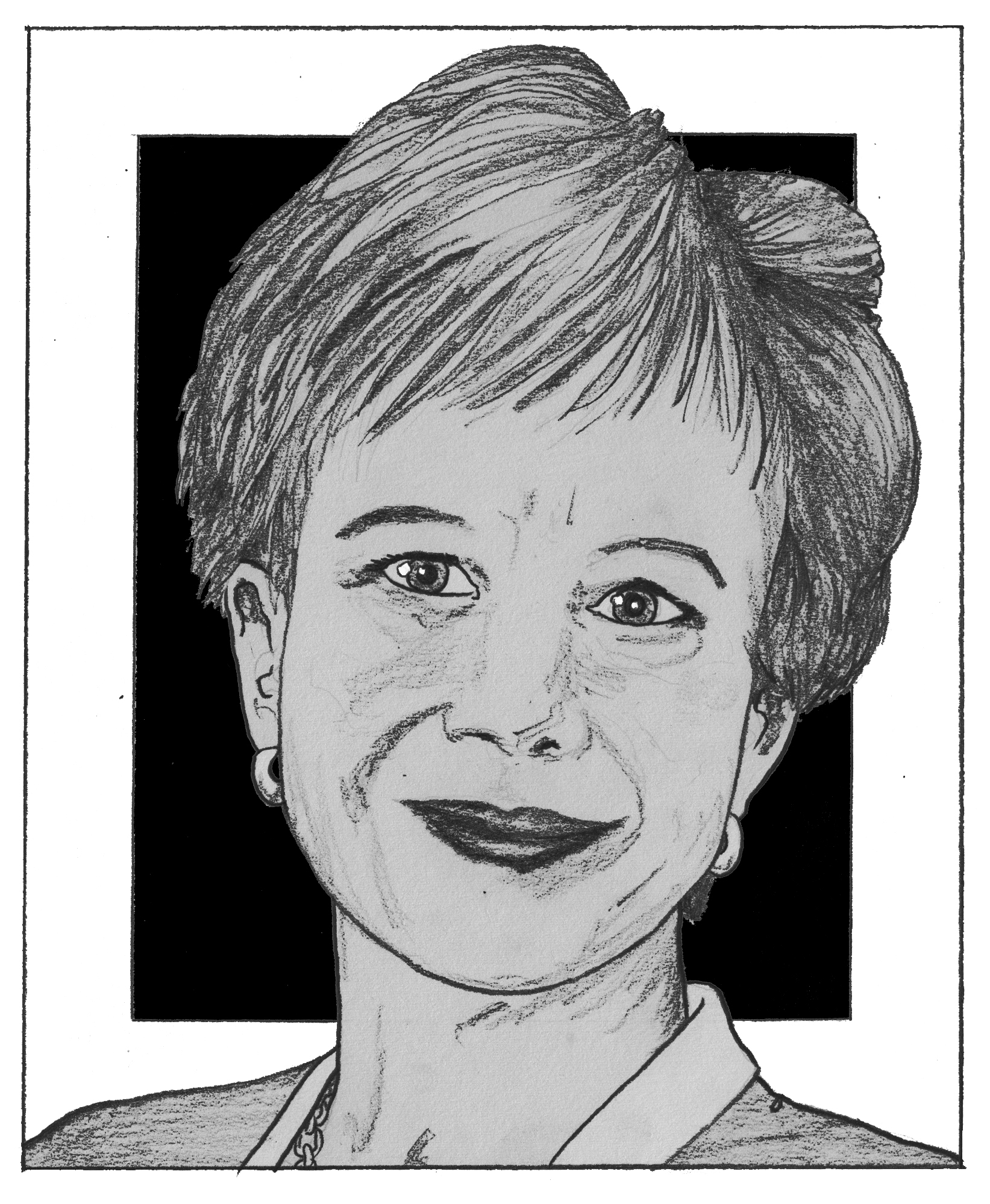
Lyse Doucet is a distinguished journalist and the BBC’s Chief International Correspondent. She has gained recognition not just for her reporting on critical global issues but also for her insightful interviews and documentaries. In today’s fast-paced media environment, her work stands out, offering audiences a deep understanding of complex international stories. Doucet’s contributions have made her one of the most respected figures in journalism, and her experiences provide crucial insights into the world of news reporting.
Career Highlights
Doucet’s journalism career began in the 1980s. She worked initially with CBC, the Canadian Broadcasting Corporation, where she specialized in reporting from Afghanistan and the Middle East. Her first major assignment with the BBC came during the Gulf War in 1991, which set the stage for a prolific career that would span decades. Over the years, she has reported from some of the world’s most challenging conflict zones, including Kosovo, Iraq, and Syria. Her comprehensive coverage of the Syrian Civil War has been particularly noted for its depth and empathy.
Recognition and Impact
Doucet’s tireless commitment to journalism has not gone unnoticed. She has received numerous awards, including the prestigious International Emmy Award. Her ability to connect with people and convey their stories has made her a key voice in understanding global crises. Additionally, Doucet is an advocate for women’s representation in media and often emphasises the importance of female voices in storytelling. She has also been involved in mentoring young journalists and pushing for more diverse perspectives in the industry.
Conclusion
The importance of journalists like Lyse Doucet cannot be understated. As the world continues to navigate through tumultuous times, the need for credible, heartfelt reporting grows ever more significant. Doucet’s work exemplifies the role of journalism in fostering understanding and connection across cultures. Looking ahead, her ongoing contributions will surely influence a new generation of journalists, promoting a more inclusive and informed media landscape.