








Introduction
Statins, a class of medications widely prescribed to lower cholesterol levels, play a crucial role in preventing cardiovascular diseases. Their importance is underscored by the fact that heart disease remains one of the leading causes of death globally. However, while statins are effective at reducing cholesterol, they are also associated with a range of side effects that may impact patient adherence and overall health outcomes.
Common Side Effects
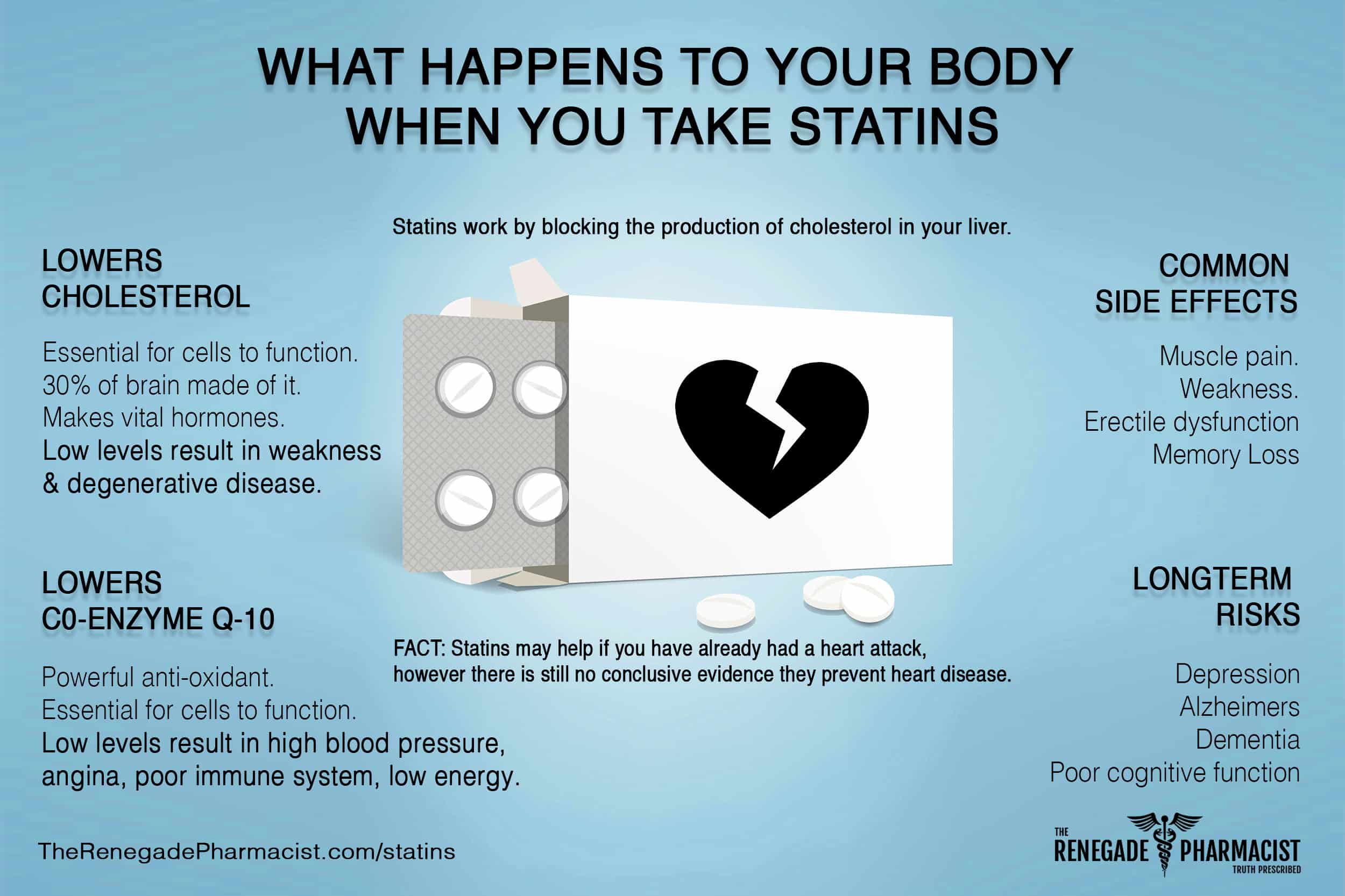
Many individuals tolerate statins well, but there are notable side effects that can occur. The most frequently reported issues include muscle pain, fatigue, and digestive problems. According to a study published in the Journal of the American College of Cardiology, around 10% of patients report experiencing muscle-related side effects, which can lead to discontinuation of therapy. Additionally, some patients may experience gastrointestinal issues such as nausea, bloating, or constipation.
Serious Side Effects
While rare, more serious side effects associated with statins warrant attention. These can include liver damage, kidney failure, and an increased risk of diabetes. The risk of developing type 2 diabetes appears to be higher in individuals taking higher doses of certain statins. A meta-analysis in the BMJ indicated a 9% increase in the risk of diabetes for statin users compared to non-users. Patients considering statin therapy should discuss these potential risks with their healthcare provider.
Emerging Research Insights
Recent studies have begun to explore the long-term effects of statin use. Research published in Circulation found that prolonged use of statins could alter muscle metabolism, which might explain some of the muscle pain patients report. Another study highlighted concerns regarding statins and neurocognitive function, suggesting a possible link to memory issues. However, results have been largely inconclusive, emphasizing the need for more definitive research.
Conclusion
Understanding the side effects of statins is essential for patients and healthcare professionals alike. While statins are proven to save lives by reducing cholesterol levels and the incidence of heart attacks, awareness of their side effects can aid in managing and mitigating any adverse effects. Patients should maintain open communication with their healthcare providers about their experiences and any concerns regarding statin use. Ongoing research into the long-term implications of statin therapy will be vital in shaping future guidelines and treatment strategies for cardiovascular health.