








Introduction
The inquiry into the tragic sinking of a migrant boat in the English Channel, which occurred on November 24, 2021, has gained renewed attention following recent developments. This incident, which resulted in the deaths of 27 individuals attempting to cross from France to the UK, highlights the ongoing challenges surrounding migrant journeys and calls for action in maritime safety regulations.
Details of the Incident
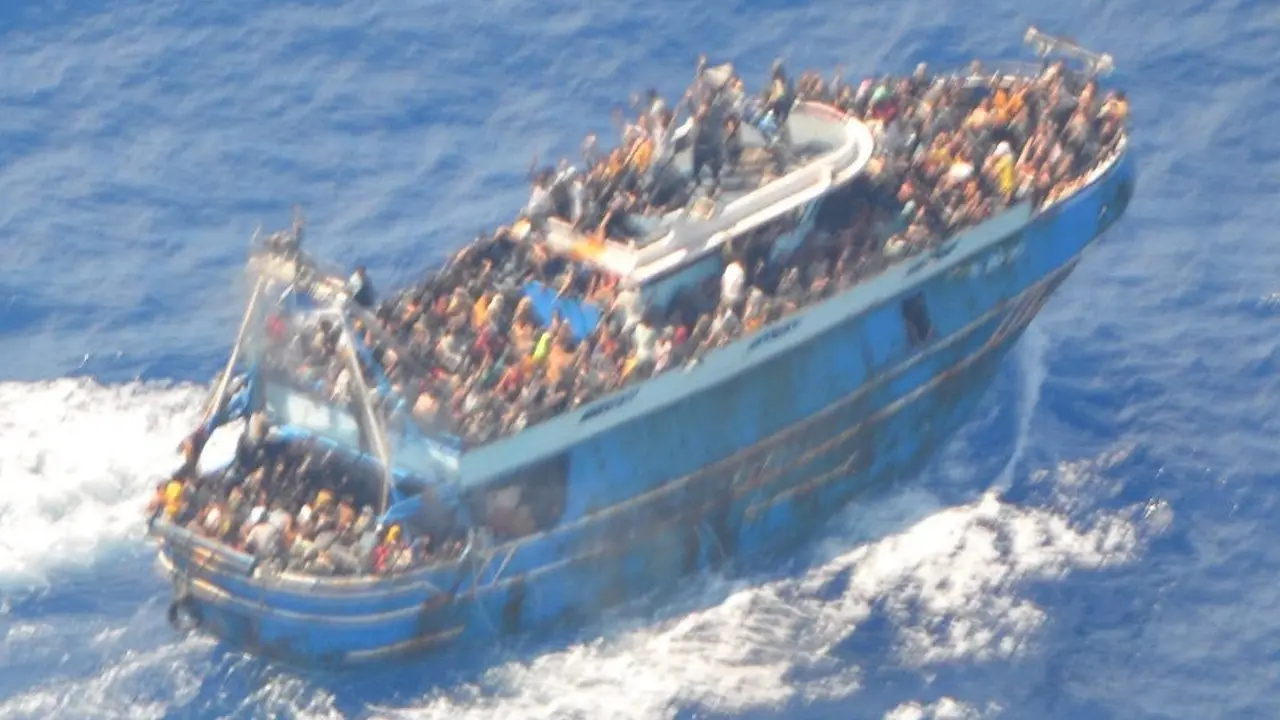
On that fateful day, a small inflatable boat carrying migrants capsized in one of the busiest shipping lanes in the world. Among the deceased were men, women, and children, prompting an outpouring of grief and raising questions about the effectiveness of current border policies in addressing migrant safety.
In response to the tragedy, the UK government launched an inquiry aimed at investigating the circumstances surrounding the sinking and the response measures adopted by both British and French authorities. As the inquiry progresses, key testimonies from survivors and maritime experts are being gathered, which could provide insights into preventing similar incidents in the future.
Current Developments
As of now, the inquiry is delving into several critical areas, including the rescue efforts conducted by the UK and France, the roles of human trafficking networks, and the adequacy of safety measures for those attempting perilous crossings. The testimonies collected are expected to shape both public policy and humanitarian responses to migrant issues in the Channel.
In 2023, new regulations are being proposed by the UK Home Office to enhance border security and control illegal crossings, a move that has received mixed reactions from advocacy groups. While some argue that these measures are essential to deter dangerous crossings, critics contend that they risk further endangering vulnerable migrants.
Conclusion
The ongoing inquiry into the Channel migrant boat sinking serves as a stark reminder of the human cost associated with migration across treacherous waters. As further information is revealed, the outcomes of this inquiry may lead to significant changes in policy and regulation related to migrant safety and border control in the UK and beyond. For readers, the developments surrounding this inquiry will likely influence public opinion and provoke ongoing debates regarding the ethical responsibilities of nations in regard to migrant welfare.