








Introduction
The recent wet winter across the UK has had a profound impact on many animal welfare organisations, particularly on donkey sanctuaries. These sanctuaries, which provide shelter and care for rescued donkeys, are facing significant challenges due to the adverse weather conditions. The importance of these sanctuaries extends beyond the animals themselves; they serve as critical resources for education and awareness about animal welfare. Understanding the impact of wet winters is crucial for anticipating future needs and mobilising support.
Extent of the Damage
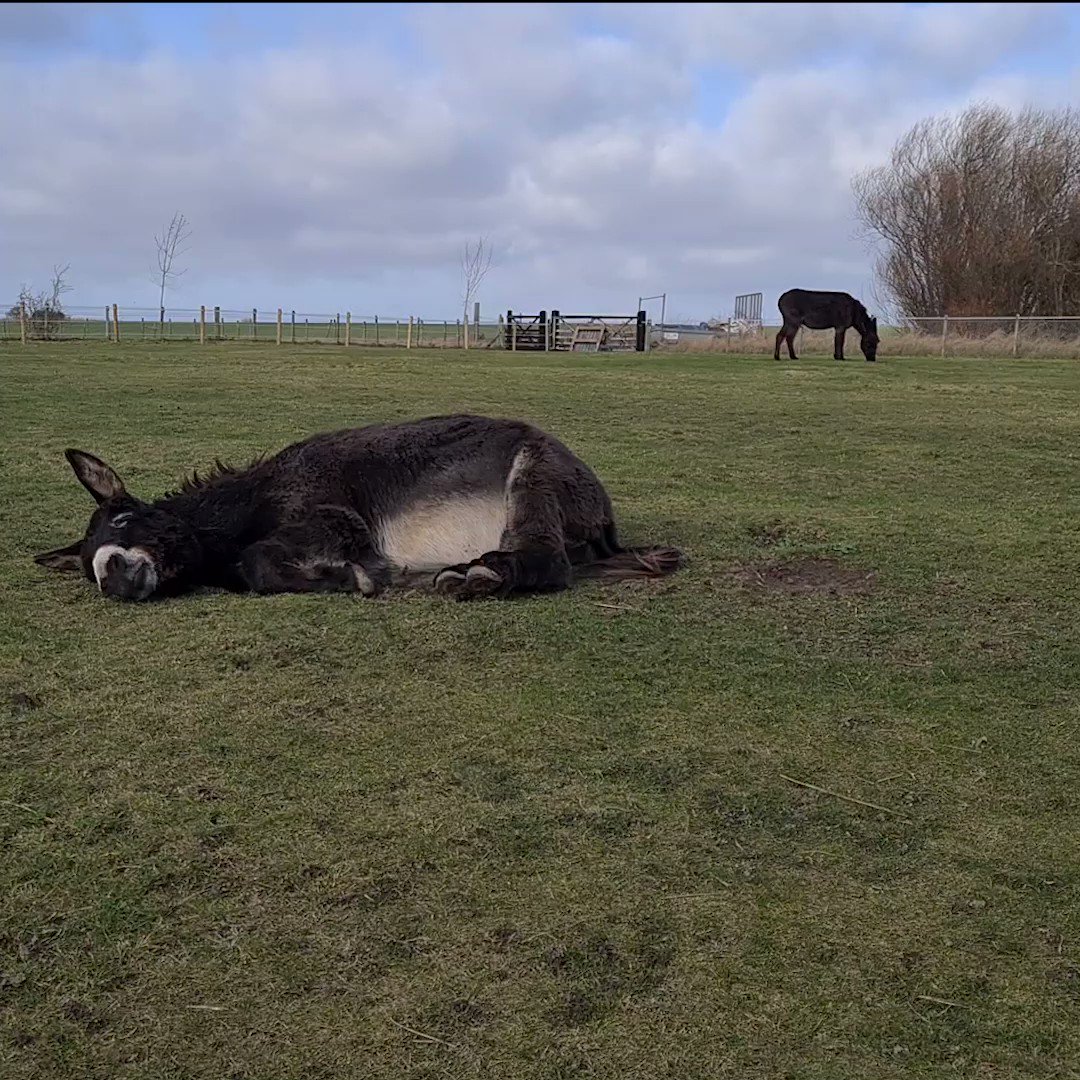
This winter, an unprecedented amount of rainfall has led to flooding and damage to the facilities at several donkey sanctuaries. Reports from organisations such as the Donkey Sanctuary reveal that many enclosures have been washed away, shelters are compromised, and essential feeding and care routines are disrupted. Furthermore, the saturated ground has resulted in mud, posing health risks for the donkeys. These challenges significantly hinder the staff’s ability to care for the animals effectively.
Response from the Community
In response to the damage, several donkey sanctuaries have initiated fundraising campaigns to cover the costs of repair and recovery. The support from local communities has been overwhelming, with many volunteers stepping in to assist with the clear-up efforts. Initiatives, such as online benefit concerts and donation drives, have emerged to raise funds for essential repairs. Social media has played a crucial role in raising awareness, encouraging individuals to either donate funds or time to support sacred animals in need.
Looking Ahead
The current situation raises important questions about the resiliency and future of donkey sanctuaries as extreme weather conditions become more frequent due to climate change. As winter conditions are projected to become increasingly unpredictable, it becomes essential for these sanctuaries to enhance their infrastructure to withstand such impacts. Building stronger barns, improving drainage systems, and developing emergency protocols will be crucial steps towards future-proofing these vital organisations.
Conclusion
The damage caused by this wet winter serves as a wake-up call for donkey sanctuaries and their supporters. While the immediate focus is on recovery, it is equally important to advocate for long-term solutions that address the risks posed by changing weather patterns. By engaging with the public and fostering partnerships with local businesses, sanctuaries can better prepare and protect these beloved animals from future threats. The resilience of the donkey sanctuaries is commendable, but they need community support more than ever to ensure a sustainable future.