









Introduction
The annular solar eclipse, often referred to as a “ring of fire” eclipse, occurs when the Moon covers the Sun’s centre, leaving the Sun’s visible outer edges to form a bright ring. This astronomical event is significant not only for its striking beauty but also for the scientific insights it offers into the workings of our solar system. With the next annular solar eclipse set to take place on October 14, 2023, millions around the world are eager to witness this exceptional phenomenon.
Details of the 2023 Annular Solar Eclipse
The 2023 annular solar eclipse will have a path that crosses parts of the western United States, Central America, and South America. Key cities in the path will include Albuquerque, New Mexico; San Antonio, Texas; and several locations in South America, such as Colombia and Brazil. As the eclipse reaches its peak, observers in these areas will see the characteristic ring of fire that occurs when the Moon’s apparent diameter is smaller than that of the Sun.
This eclipse is particularly noteworthy as it will be visible from populated areas, providing a prime opportunity for individuals and families to experience a solar eclipse without the need for extreme travel. Furthermore, for those outside the path of the annular eclipse, a partial solar eclipse will also be visible across much of North America, allowing a wider audience to engage with this celestial event.
How to Safely Observe the Eclipse
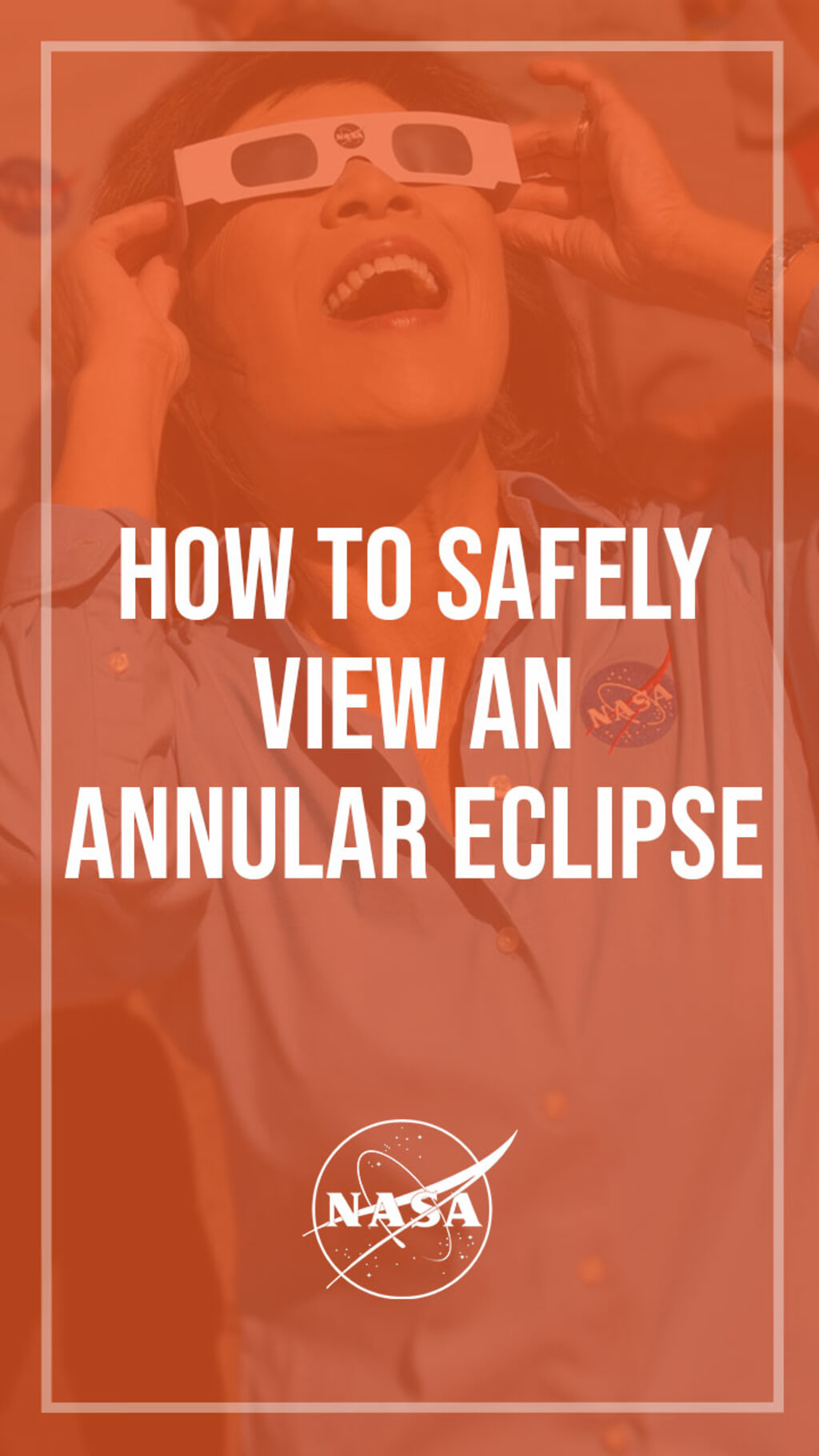
It is crucial for viewers to take safe viewing precautions when observing the eclipse. Directly looking at the Sun without proper protection can result in severe eye damage. Therefore, special eclipse glasses or solar viewers are essential when viewing the annular solar eclipse. Additionally, pinhole projectors and other safe viewing methods are recommended for those who wish to observe the eclipse without looking directly at the Sun.
Conclusions and Significance
As we approach the date of the annular solar eclipse, awareness and education on safe viewing practices and the importance of such celestial events are paramount. The 2023 eclipse serves not only as an opportunity for awe-inspiring visuals but also for educators to promote interest in astronomy and science among students and the general public. With such rare events occurring only a few times per decade, this is an experience not to be missed. Mark your calendars for October 14, 2023, and prepare to witness this magnificent demonstration of our solar system’s beauty.