









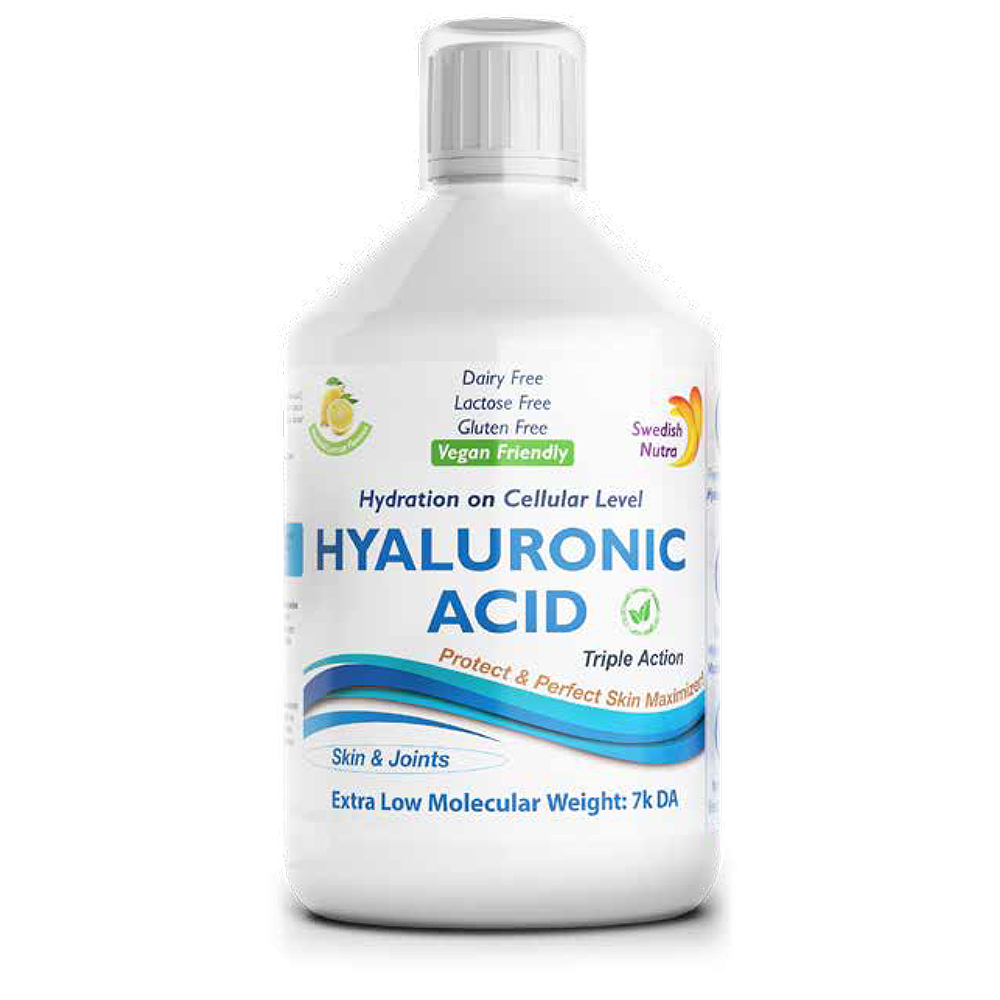
Introduction
Hyaluronic acid has gained immense popularity in recent years, especially within the beauty and skincare industries. This naturally occurring substance in the body is known for its impressive ability to retain moisture, making it a crucial component for maintaining skin hydration and elasticity. Its significance has spurred interest from both consumers and professionals, leading to a surge in products and treatments that harness its benefits.
Hyaluronic Acid in Skincare
Hyaluronic acid is predominantly known for its remarkable moisture-retaining properties. It is capable of holding up to 1,000 times its weight in water, which helps keep the skin hydrated and plump. Due to its low molecular weight, it penetrates the skin effectively, promoting softness and reducing the appearance of fine lines and wrinkles. Numerous skincare brands now incorporate hyaluronic acid into serums, moisturisers, and masks, offering consumers a range of options to enhance their skincare routines.
Recent Innovations
A 2023 report from a leading skincare research firm revealed that the demand for hyaluronic acid products has increased by over 30% in the last year alone. Innovations in formulations, such as combining hyaluronic acid with antioxidants and peptides, have further boosted its appeal, providing consumers with multifunctional skincare options that deliver more than just hydration.
Medical Uses of Hyaluronic Acid
Besides its cosmetic applications, hyaluronic acid is also employed in various medical treatments. It is widely used in orthopaedics for joint injections, particularly in patients suffering from osteoarthritis. The substance acts as a lubricant, easing joint pain and improving mobility. In 2022, the World Health Organisation reported a rise in the use of hyaluronic acid injections, underscoring its importance in holistic healthcare approaches.
Recent Studies
Research conducted in early 2023 indicated that hyaluronic acid injections significantly reduced pain levels in over 70% of participants who reported chronic joint issues. This finding has led to a renewed focus on exploring hyaluronic acid’s potential benefits in other medical fields, including ophthalmology and dermatology.
Conclusion
Hyaluronic acid stands out as a versatile ingredient beneficial for both skin and joint health. Professionals across different sectors are recognising its potential, as evident from the growing range of products and treatments available today. For readers, keeping an eye on the evolution of hyaluronic acid in skincare and medical therapies could offer valuable insights into achieving optimal skin health and managing joint-related concerns effectively. As research continues to expand, the relevance and applications of hyaluronic acid are likely to further evolve, solidifying its place in both beauty and healthcare.