








Introduction
In recent years, blockchain technology has emerged as a significant innovation with the potential to transform various sectors including finance, healthcare, and supply chain management. Its unique ability to provide secure, transparent, and decentralised data management has garnered the attention of businesses and governments alike. Understanding blockchain technology is crucial for stakeholders to identify its implications, advantages, and challenges.
What is Blockchain Technology?
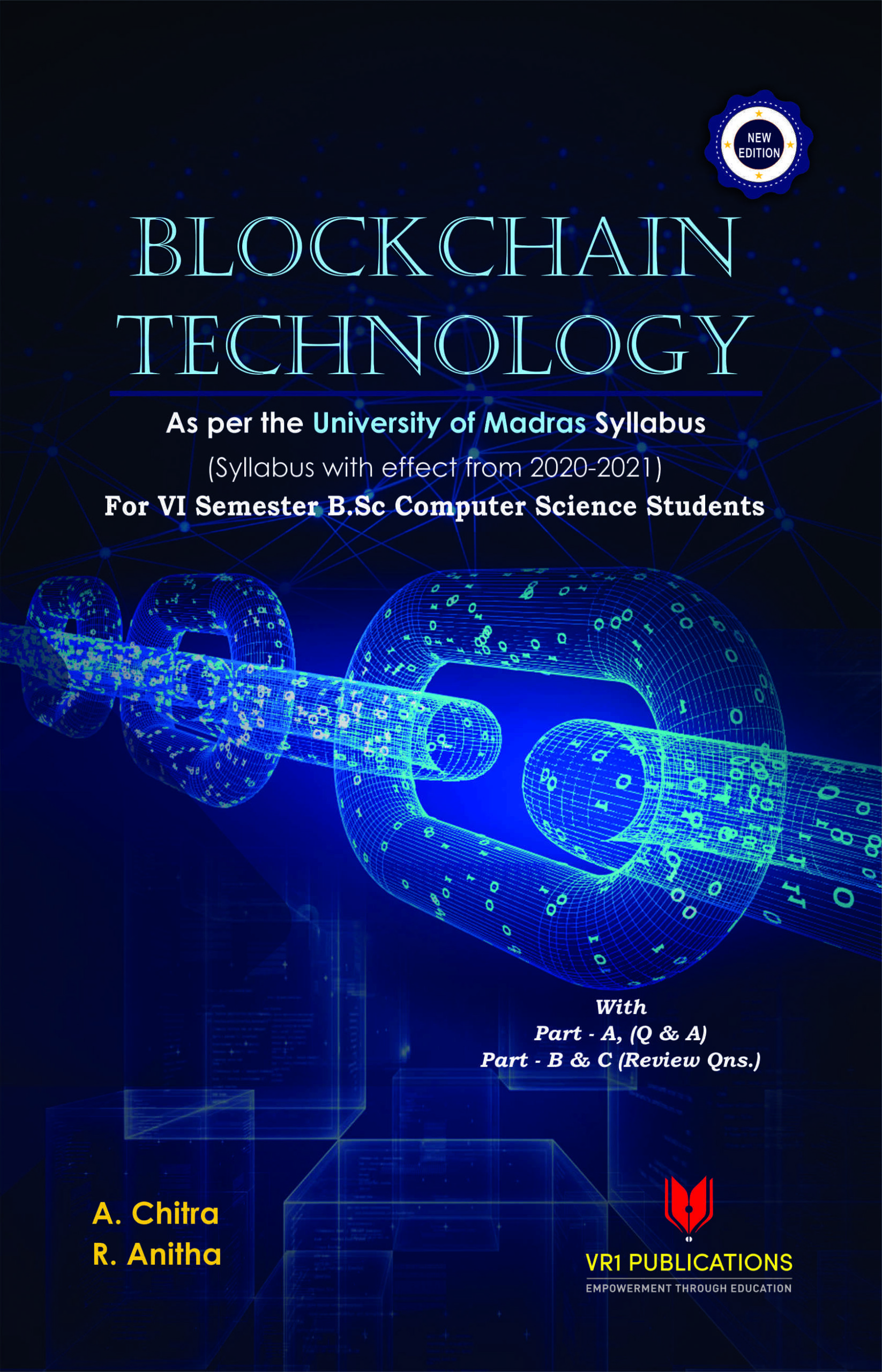
Blockchain is a distributed ledger technology that enables the secure recording of transactions across multiple computers. This decentralised system makes it nearly impossible to alter or hack the data without consensus from all network participants, thereby enhancing security and trust. Each transaction is added in a block, which is then linked to the previous block, forming a chain of records.
Recent Developments
As of 2023, major advancements in blockchain technology include the rise of central bank digital currencies (CBDCs) and non-fungible tokens (NFTs). Several countries, including China and the UK, are exploring the launch of CBDCs to facilitate faster and more secure payment methods. In the realm of NFTs, artists and creators are leveraging blockchain to establish digital ownership and provenance, creating new revenue streams.
Applications Across Industries
Blockchain’s potential extends beyond cryptocurrencies. In the finance sector, it is being utilised for cross-border payments and to streamline transactional processes, significantly reducing costs. In healthcare, patient records can be securely stored and easily accessed by authorized personnel, improving care quality. Furthermore, supply chain networks are using blockchain to enhance traceability, allowing consumers to verify the origins of their products.
Challenges and Future Outlook
Despite its potential, blockchain technology faces several challenges including scalability, energy consumption, and regulatory uncertainties. As the technology continues to evolve, addressing these issues will be crucial for widespread adoption. Experts predict that by 2025, blockchain could account for an estimated $1 trillion in business value across multiple industries.
Conclusion
Blockchain technology represents a paradigm shift in how data is managed and transactions are conducted. Its capacity to enhance security and transparency cannot be overstated. As we move forward, stakeholders must keep abreast of developments in blockchain to leverage its benefits while navigating its associated challenges. The future is promising, and those who adapt will likely thrive in a blockchain-integrated landscape.