









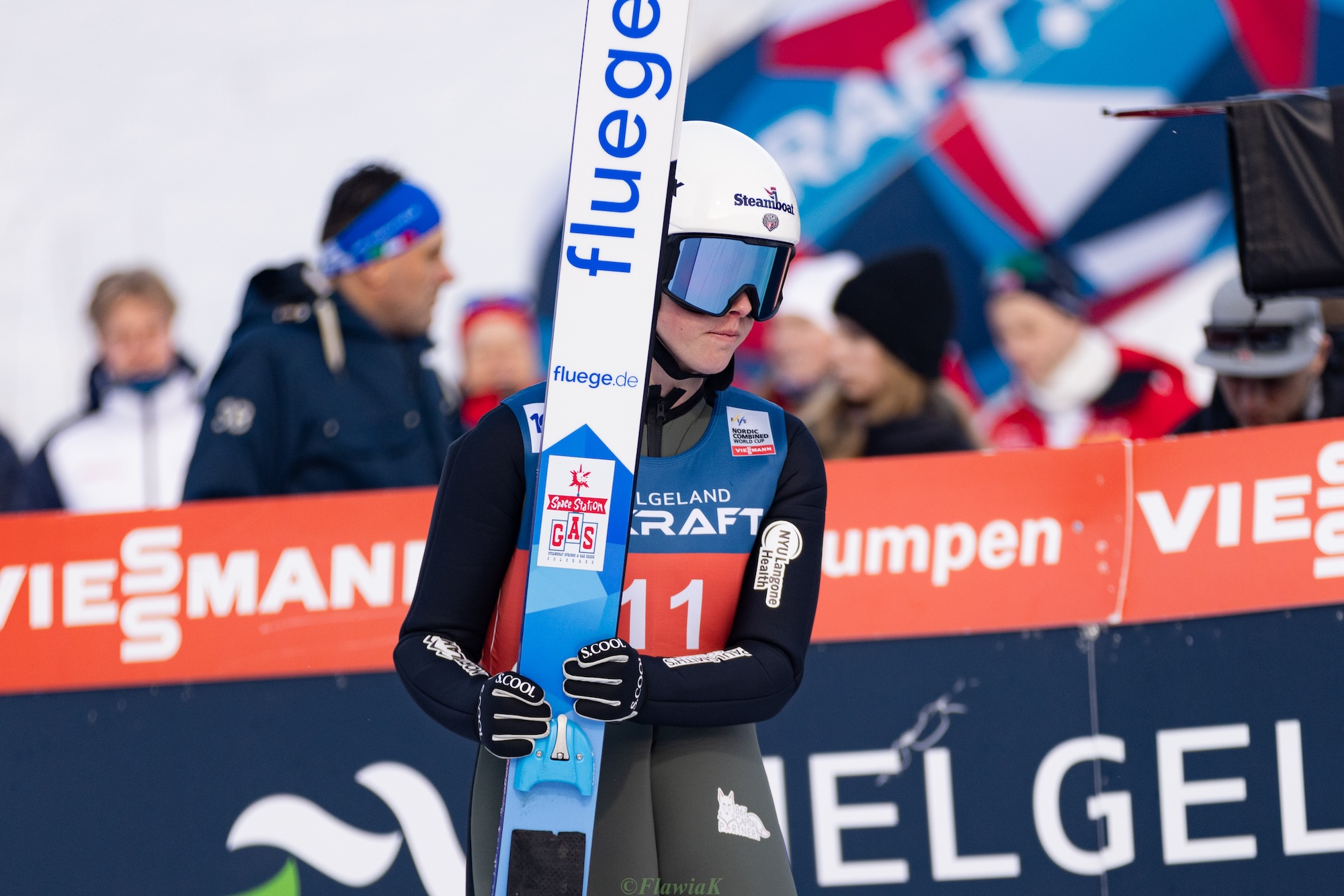
Introduction to Nordic Combined
Nordic combined is an exhilarating winter sport that combines two distinct disciplines: ski jumping and cross-country skiing. It has become increasingly significant in the winter sports arena, attracting fans and competitors from around the globe. Understanding this unique sport not only highlights the remarkable athleticism required to compete but also showcases its rich history and evolving nature in the sports world.
History and Evolution of Nordic Combined
The origins of Nordic combined date back to the late 19th century in Norway, where the sport emerged as a test of versatility for skiers. Competitions have since evolved, and the International Ski Federation (FIS) has standardised many of the rules governing the sport. It was first included in the Olympic Games in 1924, making it a historic event that has since captivated audiences with its challenges and athletic displays.
Competition Format and Recent Developments
In a typical Nordic combined event, athletes participate in two components: first, they perform ski jumps, which determine their starting position for the cross-country skiing segment. The jump distances and style are crucial as they contribute to the overall score. Following the jump, competitors race in a cross-country ski event, where athletes aim to cover a specific distance as quickly as possible.
Recent competitions have seen advancements in technology and training methodologies, leading to enhanced performance levels among athletes. The sport has also gained a growing audience, particularly with increased coverage during major international events like the Winter Olympics and World Championships. In the most recent Winter Olympics held in 2022 in Beijing, Nordic combined showcased thrilling performances, with fans witnessing intense competitions that solidified the sport’s prominence.
Conclusion: The Future of Nordic Combined
As Nordic combined continues to grow in popularity, it faces various challenges, including promoting participation at the grassroots level and ensuring the sport’s sustainability amid evolving winter sports trends. However, ongoing efforts from national federations and the international governing body, as well as the dedication of athletes, suggest a positive trajectory for the sport.
In conclusion, Nordic combined is not just a test of strength and skill; it embodies the spirit of winter sports. As it evolves and adapts to modern demands, its significance within the sports community is likely to expand, inspiring future generations to embrace this remarkable discipline.