








Introduction
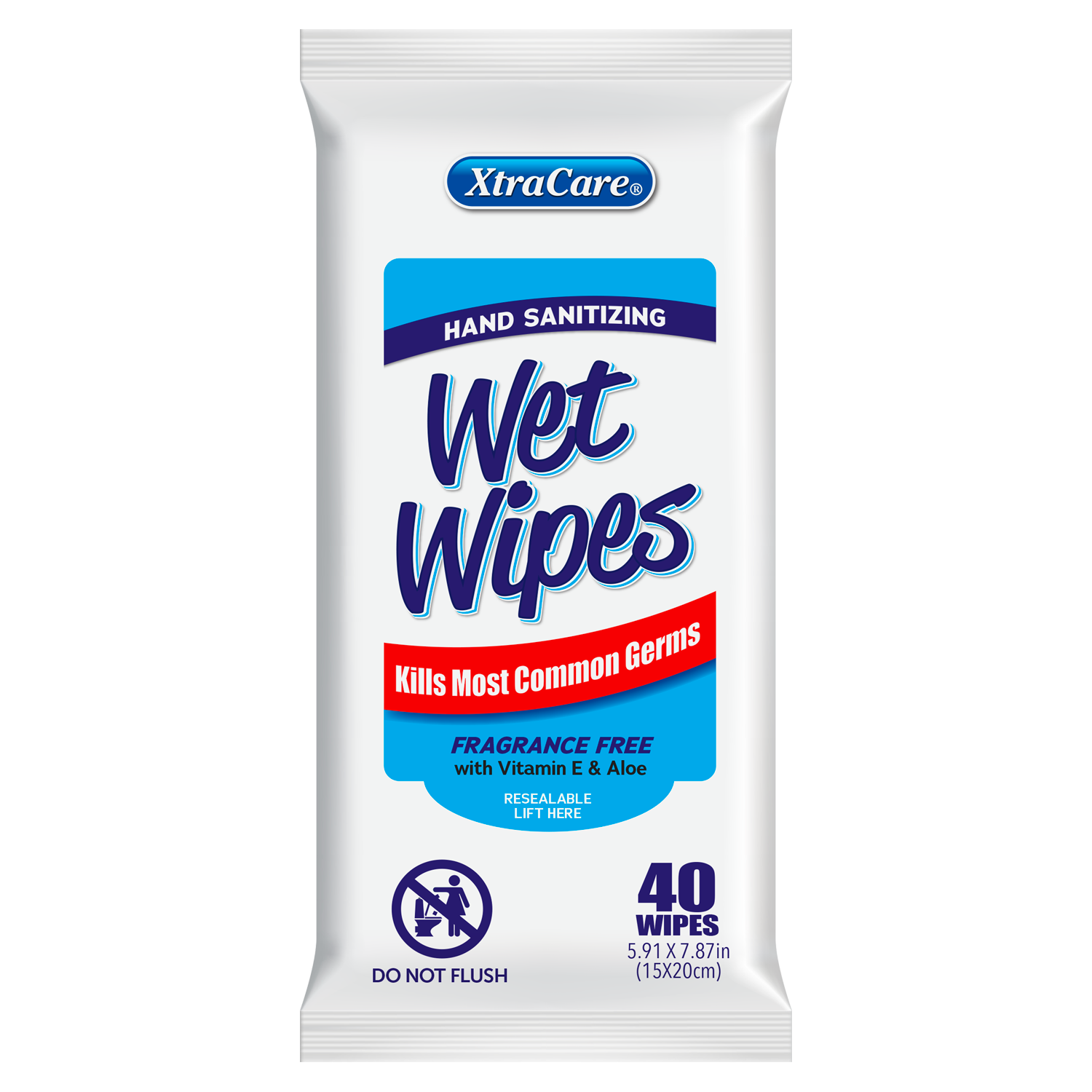
Wet wipes have become a staple in many households for their convenience and versatility, but recent warnings from health and environmental authorities are urging consumers to reconsider their use. As the demand for these products continues to rise, the hidden dangers associated with their use and disposal have prompted significant concern from various sectors.
Health Risks Associated with Wet Wipes
Recent studies have indicated that certain wet wipes may contain harmful chemicals that can irritate the skin or exacerbate allergic reactions. Ingredients such as alcohol, fragrances, and preservatives are often included in the formulations of these wipes. The British Skin Foundation has highlighted cases of contact dermatitis arising from regular use of wipes, suggesting consumers exercise caution, particularly with products marketed as “flushable”. In some cases, these wipes can also lead to hygiene misunderstandings, creating a false sense of cleanliness.
Environmental Concerns
Beyond health implications, there is growing alarm regarding the environmental impact of wet wipes. The Marine Conservation Society has reported an alarming increase in wet wipes found on beaches, which pose a serious threat to marine life. Even those labeled as biodegradable often do not break down in the ocean or landfill conditions. In 2022, wet wipes were cited as one of the top three causes of blockages in the UK’s sewer systems, contributing to millions of pounds in annual maintenance and clean-up costs.
Government and Regulatory Solutions
In response to these warnings, several governmental bodies are reviewing regulations surrounding the marketing and disposal of wet wipes. The UK government is exploring measures that could eventually lead to a ban on certain types of wet wipes, especially those making misleading claims about their flushability. There is a push for stricter guidelines on product labelling, aimed at clearly communicating the potential risks to consumers.
Conclusion
As discussions around the wet wipes warning continue, it is essential for consumers to stay informed. This includes understanding both the health risks associated with prolonged use and the significant environmental impact. By opting for environmentally-friendly alternatives and using wet wipes responsibly, individuals can contribute to a reduction in waste. Educators and health professionals encourage the public to consider reusable cloths as a viable alternative that can help minimize the strain on both health and the environment. The message is clear: while wet wipes may offer convenience, being mindful of their consequences is increasingly critical.