








Introduction
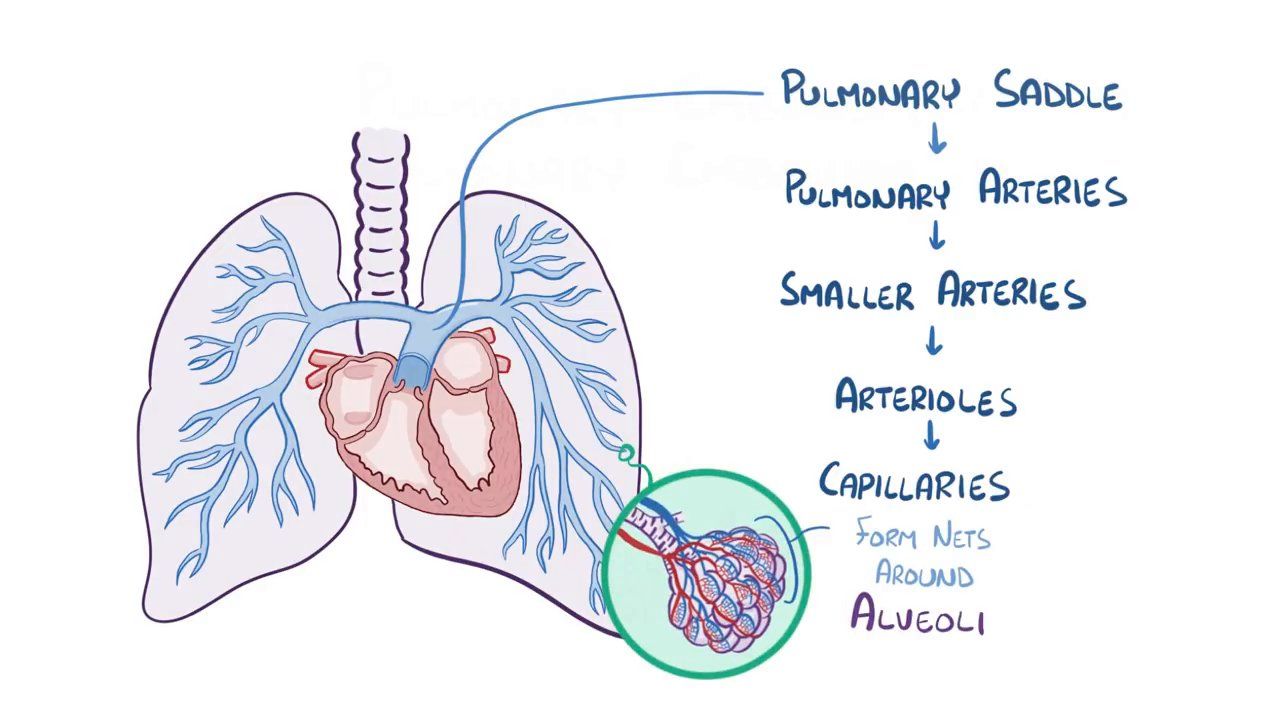
Pulmonary embolism (PE) is a critical medical condition that occurs when a blood clot, or embolus, travels to the lungs and obstructs blood flow. This can lead to severe complications, including death, if not addressed promptly. Understanding the origin, symptoms, and treatment options for pulmonary embolism is crucial for early detection and intervention.
The Causes of Pulmonary Embolism
The most common cause of pulmonary embolism is deep vein thrombosis (DVT), where blood clots form in the deep veins of the legs and then break free, traveling to the lungs. Other significant risk factors include prolonged immobility, certain medical conditions such as cancer, obesity, smoking, and hormonal therapies like birth control pills. Recent data from the National Health Service (NHS) suggests that roughly 25% of patients diagnosed with PE have underlying DVT.
Symptoms to Watch For
Recognizing the symptoms of pulmonary embolism is vital for timely treatment. Symptoms may vary depending on the size of the clot and extent of lung involvement, but they typically include:
- Shortness of breath, which may occur suddenly
- Chest pain, often sharp and worsening with deep breaths
- Cough, which may produce blood
- Rapid heart rate or breathing
- Light-headedness or fainting
If any of these symptoms present, immediate medical attention is crucial, as PE can lead to cardiac arrest within minutes.
Treatment Options
Treatment for pulmonary embolism primarily aims to prevent further clotting and manage symptoms. The most common treatments include:
- Anticoagulants: Medicines like warfarin or newer anticoagulants help prevent new clots from forming.
- Thrombolytics: In severe cases, clot-dissolving drugs may be administered.
- Surgical intervention: In some instances, a procedure known as embolectomy may be performed to remove a large clot directly.
Patient management often depends on the individual’s overall health and the severity of their condition. In recent guidelines, the American College of Chest Physicians has recommended early assessment of PE using imaging tests such as CT pulmonary angiography to facilitate rapid diagnosis and treatment.
Conclusion
Pulmonary embolism remains a significant health concern across the globe, underlining the importance of awareness and immediate action. With the right education regarding risk factors and symptoms, as well as understanding available treatment options, individuals at risk can be better prepared to seek timely medical help. Public health initiatives aimed at reinforcing knowledge on DVT and PE could markedly reduce morbidity and mortality associated with this life-threatening condition.