









Introduction
First cousin marriage remains a controversial topic across the globe, attracting considerable debate in social, cultural, and legal domains. Defined as the union between two individuals who share a common grandparent, this practice has been commonplace in many cultures but raises various health and ethical concerns. Understanding the intricacies of first cousin marriage is essential, particularly as it intersects with issues of genetics, societal norms, and legislation.
The Cultural Significance
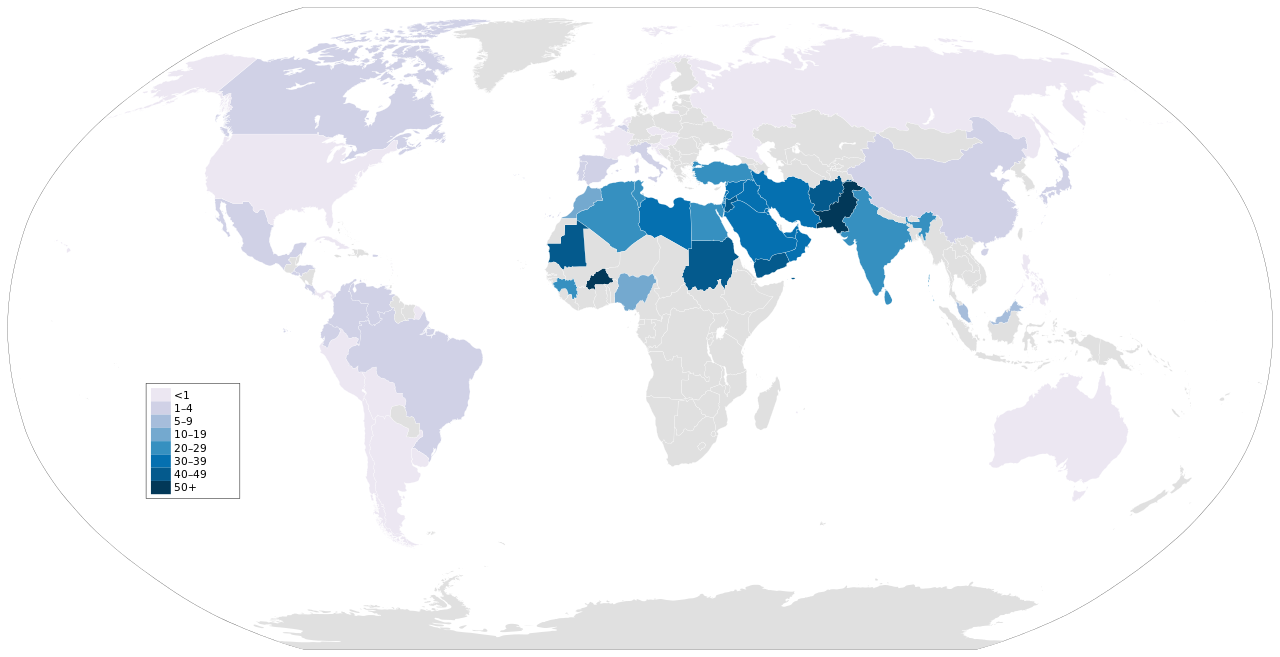
In many societies, first cousin marriages are a tradition that is deeply rooted in cultural practices. For instance, in countries like India, Pakistan, and the Middle East, marrying within the family is often seen as a way to preserve wealth, enhance familial ties, and maintain cultural heritage. According to data from the World Health Organization, about 10% of all marriages in these regions are between first cousins, indicating a significant prevalence of the practice.
Health Implications
Despite cultural acceptance, first cousin marriages come with potential health risks related to genetic disorders. Studies have shown that children born from such unions have a slightly higher chance of inheriting genetic conditions, increasing the risk of recessive disorders. Research has indicated that the risk of congenital defects in children of first cousins can rise to 4-7%, compared to about 2-3% in the general population. Genetic counselling is often recommended for couples considering such marriages, enabling them to make informed decisions.
Legal Perspectives
The legality of first cousin marriage varies significantly around the world. In the United Kingdom, first cousins can legally marry, a stance that aligns with the laws of several Western countries. In contrast, others impose strict prohibitions or require genetic counselling before allowing marriage between cousins. For instance, some parts of the United States have varying laws, with states like Kentucky and Texas allowing it, while others strictly prohibit it. In contrast, numerous countries in Africa and Asia maintain stringent restrictions on cousin marriages, often driven by health and social considerations.
Conclusion
First cousin marriage encapsulates a complex interplay between cultural traditions, legal implications, and health risks. As society continues to evolve, debates surrounding this practice are likely to endure, prompting further discussions about ethical considerations and public health policies. Awareness and education regarding the risks involved can empower individuals to make informed choices, ensuring that traditions can coexist with the knowledge of health impacts. For many communities, understanding the significance of cousin marriage is paramount, influencing familial relationships and societal structures for generations to come.