







Introduction
Oat milk has surged in popularity over recent years, becoming a staple for many seeking dairy alternatives. With a growing focus on health, sustainability, and ethical consumption, oat milk has emerged as a preferred choice for both consumers and industries. Its creamy texture and nutritional benefits have captivated those transitioning to plant-based diets, as well as traditional dairy drinkers looking to reduce their environmental footprint.
The Rise of Oat Milk
Initially launched in the early 1990s in Sweden, oat milk didn’t gain significant traction until the mid-2010s when brands like Oatly took the global market by storm. The brand’s marketing strategies and high-profile partnerships with coffee shops contributed to its rapid ascent. According to a recent report from “The Good Food Institute,” sales of oat milk in the UK alone increased by over 400% from 2019 to 2022, reflecting a larger trend that sees consumers opting for non-dairy milks.
Nutritional Benefits
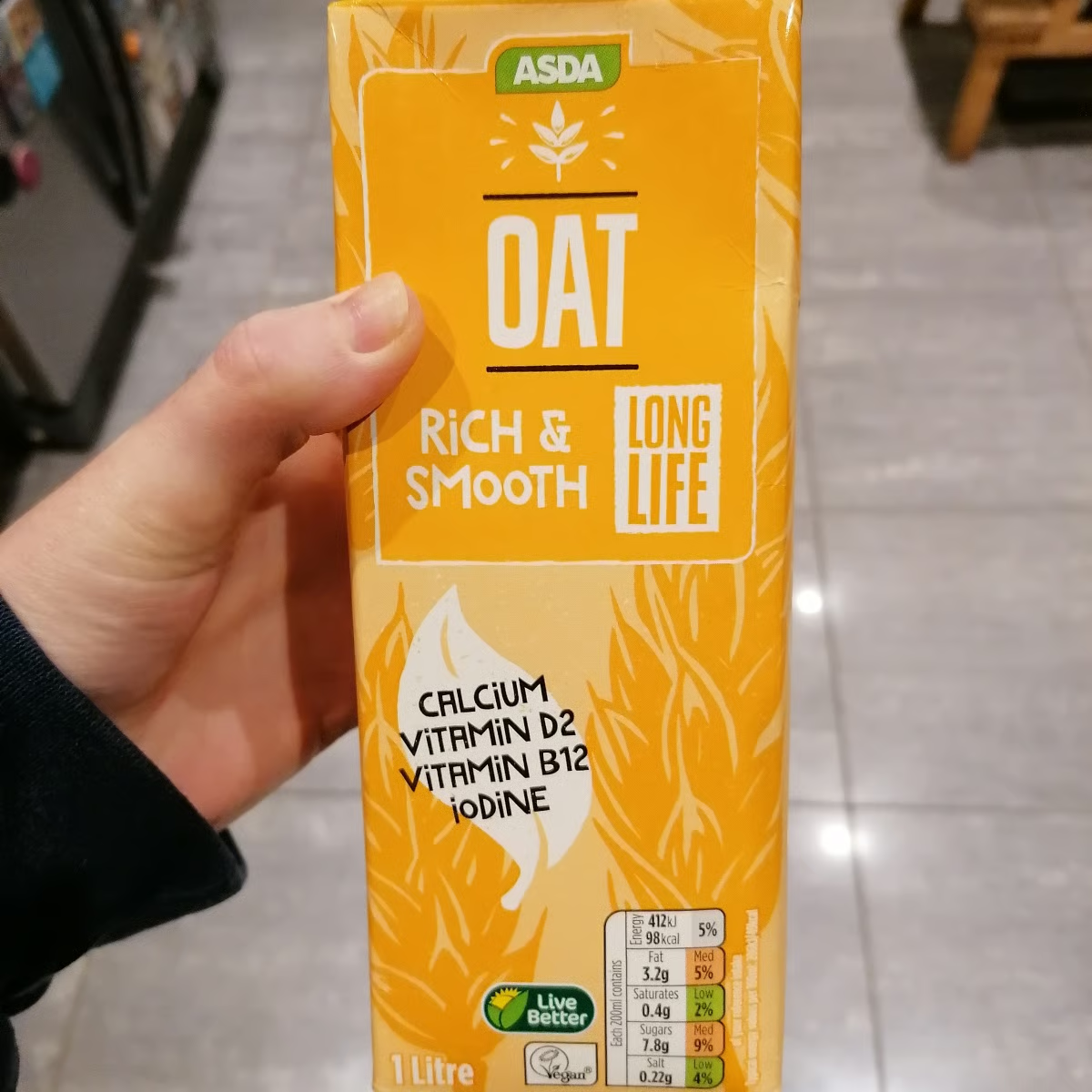
Oat milk is praised for its nutritional profile. It is often fortified with vitamins such as B12 and D, and contains a good balance of carbohydrates and healthy fats. Key benefits include:
- Lactose-Free: Ideal for those with lactose intolerance or a dairy allergy.
- Low in Saturated Fat: A heart-healthy option compared to full-fat dairy.
- High in Fiber: Promotes digestive health, particularly the beta-glucans found in oats.
- Vegan-Friendly: Suitable for vegans and those looking to limit animal product consumption.
Environmental Impact
Oat milk also boasts a lower environmental impact compared to traditional dairy. Studies indicate that oat production requires significantly less water and results in lower greenhouse gas emissions. The shift towards oat milk is thus not only a personal health choice but also a collective effort to promote more sustainable practices within the food industry.
Conclusion
Oat milk’s rise underscores a broader shift in consumer preferences towards healthier and environmentally conscious choices. As more people adopt plant-based diets or simply seek to reduce their dairy intake, the demand for oat milk and similar alternatives is expected to continue growing. This trend not only highlights changing dietary habits but also signals a potential shift in how products are marketed and produced. In conclusion, oat milk stands as a prominent player in the future of sustainable nutrition.