









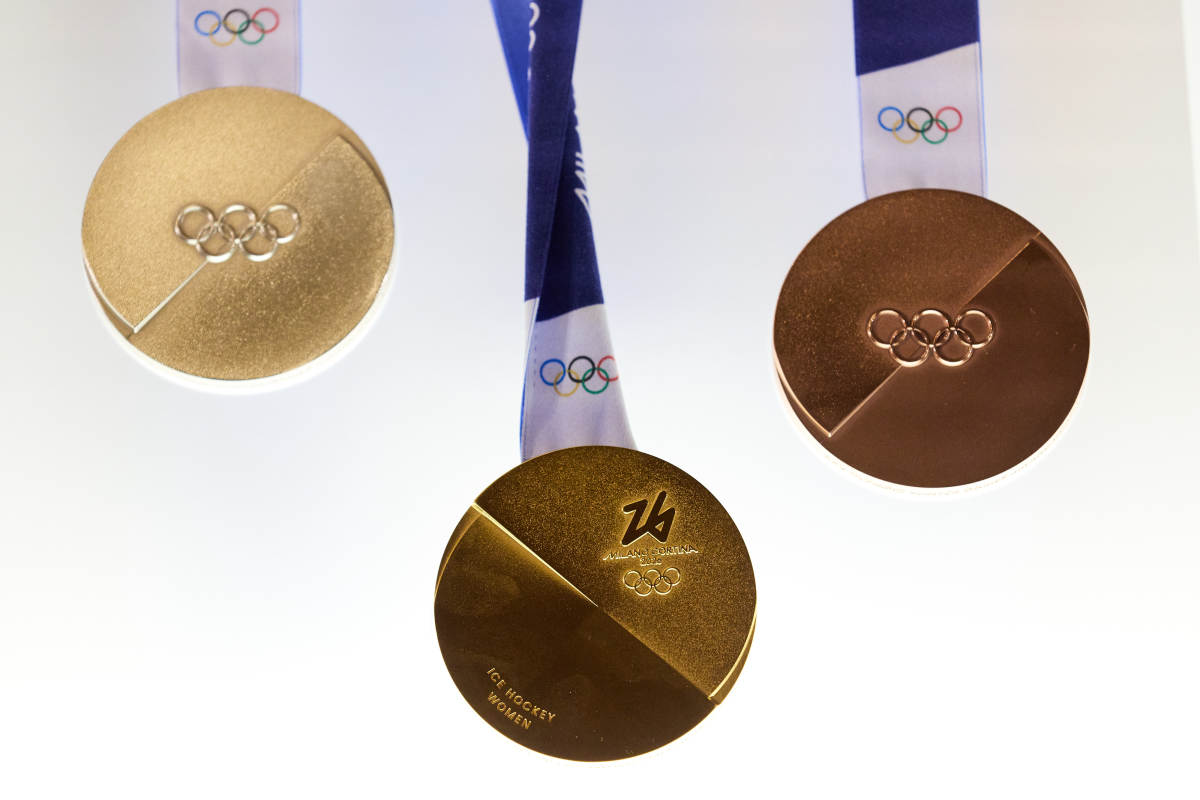
Introduction to Winter Olympics Medals
The Winter Olympics is a major international sporting event that showcases the world’s best winter athletes. Since its inception in 1924, the Winter Games have awarded medals to outstanding competitors in various disciplines such as skiing, skating, and ice hockey. Understanding the significance and current trends in Winter Olympics medals is relevant today as countries prepare for the upcoming events, with athletes vying for honour and historical achievements.
History of Winter Olympics Medals
The medals awarded at the Winter Olympics have evolved over time. The first Winter Games in Chamonix, France, featured only a few sporting events, with medals awarded to 258 athletes from 16 countries. Traditionally, the medals comprise gold, silver, and bronze, representing first, second, and third place, respectively. In recent years, the design of medals has become more intricate and often incorporates cultural elements related to the host country.
Medals and Their Significance
Winning a medal at the Winter Olympics is the pinnacle of achievement for athletes, symbolising years of hard work, training, and dedication. Each medal not only represents individual success but also contributes to national pride. For countries like Norway, the United States, and Canada, winter sports medals play a crucial role in their national identity and sporting culture. For instance, Norway holds the record for the most Winter Olympics medals overall, highlighting their dominance in various winter sports.
Current Medal Standings and Future Predictions
As of October 2023, preparations for the 2026 Winter Olympics in Milan-Cortina D’Ampezzo are underway, with countries focusing on nurturing young talent to contend for medals. Early predictions indicate that established powers in winter sports like Norway, Germany, and the United States are likely to dominate the medals table. Additionally, countries that are newer to winter sports, such as China, are investing heavily in their winter sports programmes, potentially altering the traditional medal race.
Conclusion
The Winter Olympics medals represent more than just accolades; they are a testament to human spirit and athletic excellence. With the next games on the horizon, the global sporting community eagerly anticipates which athletes will rise to the occasion and make their mark on the history of the Winter Olympics. As nations rally to support their athletes, the significance of these medals continues to inspire generations around the world.