









Introduction
The film industry continually evolves, presenting audiences with diverse narratives that resonate with varying experiences. The recent release of the Emily movie stands as a testament to this evolution, intertwining fiction with the poignant reality of its themes. It not only captivates viewers but also pushes the boundaries of traditional storytelling, making it a significant topic of discussion within the cinematic community.
Overview of the Film
Directed by Frances O’Connor, Emily offers an imaginative exploration of the early life of Emily Brontë, the renowned English novelist best known for her only novel, Wuthering Heights. The film, which stars Emma Mackey in the titular role, meticulously crafts the influences that shaped Brontë’s literary prowess. Released in 2022, the film has garnered attention for its unique narrative style and emotional depth.
Significant Themes
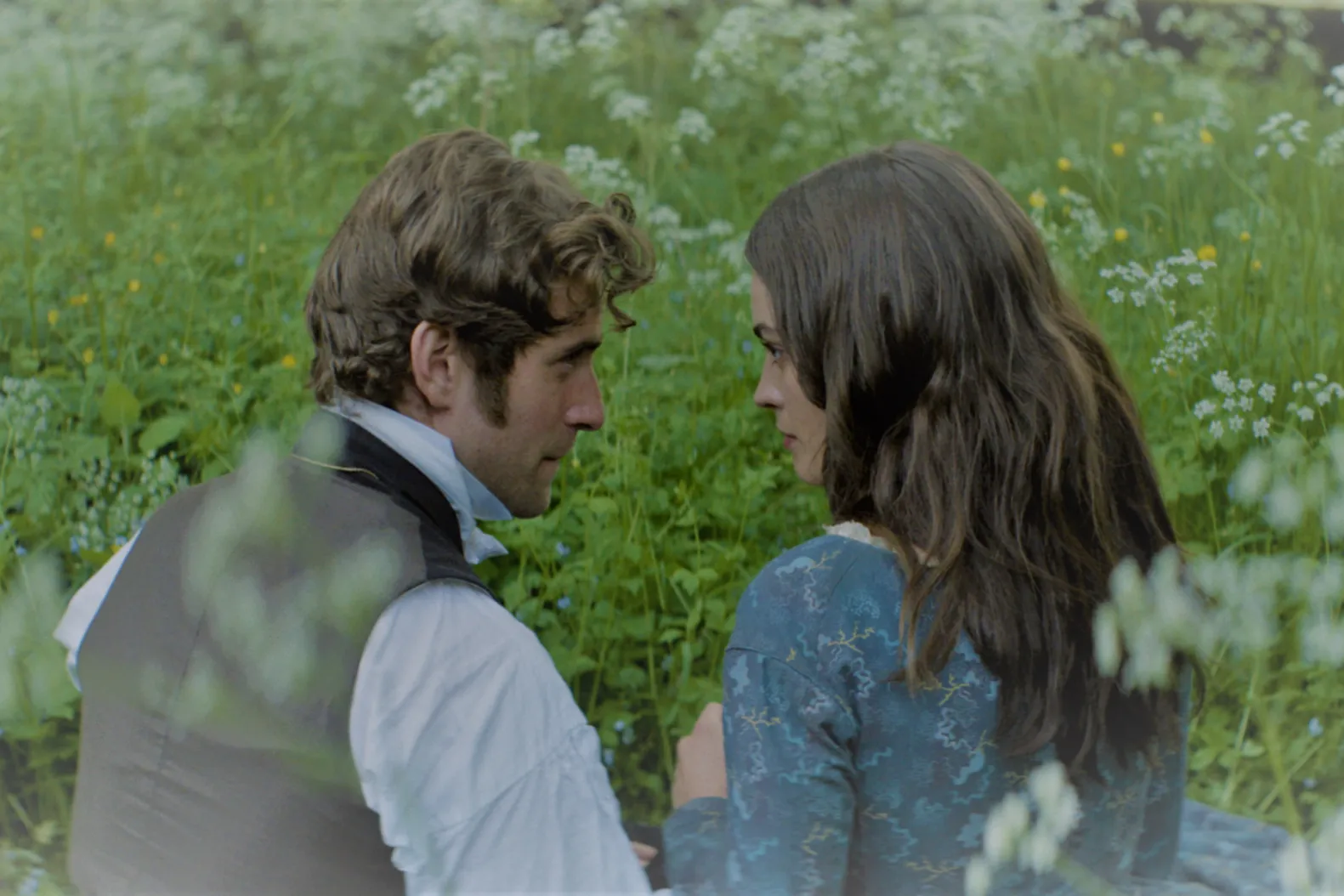
Emily delves deep into themes of identity, creativity, and the tumultuous journey of artistic expression. It captures not only the solitude and struggles faced by Brontë but also the vibrant, albeit challenging, landscape of 19th-century England where she found inspiration. The cinematography and score play an integral role in reinforcing these themes, immersing the audience in Brontë’s world.
The Film’s Reception
Upon its release, Emily received generally positive reviews from critics and audiences alike, praised for its performances, particularly Mackey’s portrayal of the iconic author. Reviewers highlighted the film’s ability to blend biography with artistic license, allowing fans of Brontë’s work to explore her life in a fresh light. Despite some critiques regarding pacing, many found the film’s emotional resonance to be a compelling draw.
Conclusion
As the film continues to make its mark in cinemas and on streaming platforms, Emily serves as a nuanced reflection on the struggles of creativity and the complexity of its muse. With discussions around the film likely to persist, it may encourage new audiences to delve into Brontë’s literature and explore the intersections between life and art. The film’s significance extends beyond entertainment; it challenges viewers to ponder the depths of artistic inspiration and the personal sacrifices made in its pursuit.