









Introduction
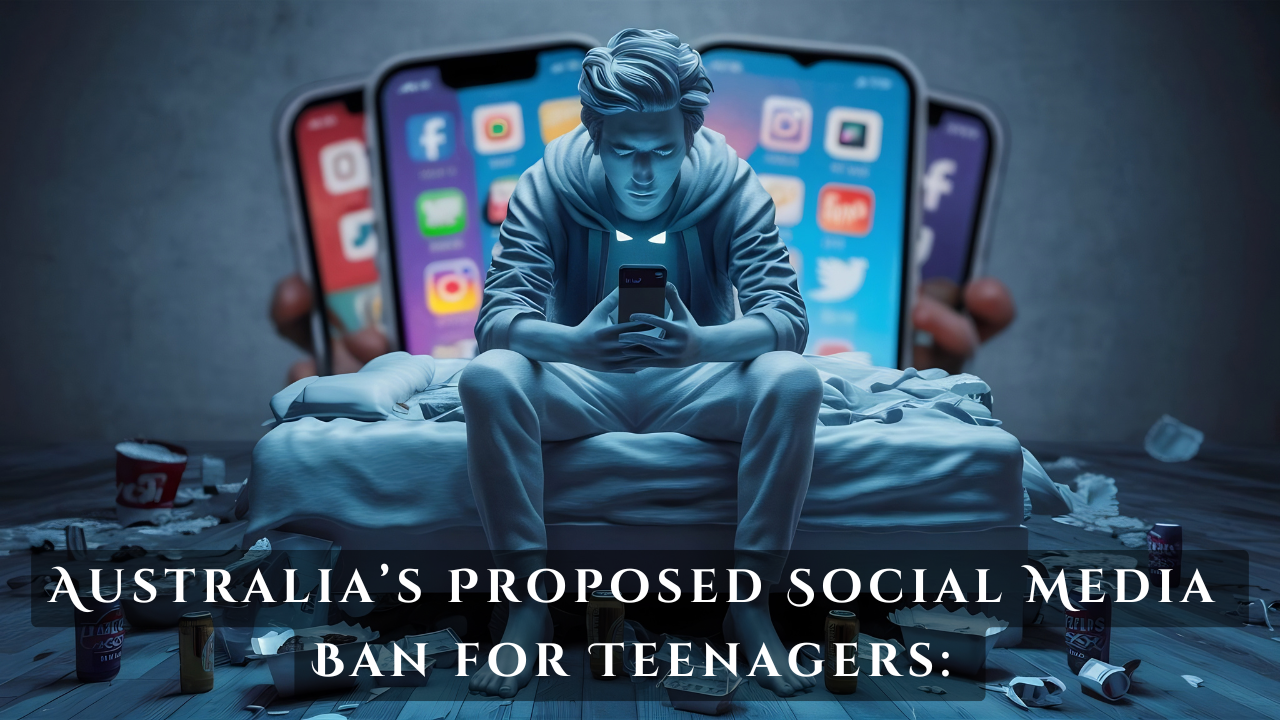
In recent years, the issue of social media bans has emerged as a significant topic of discussion around the world. With the rapid expansion of social media platforms, governments and regulatory bodies are increasingly taking action to curb their accessibility. Whether due to political unrest, concerns over misinformation, or safeguarding national security, social media bans have a profound impact on communication and expression in the digital age.
Recent Developments
Across multiple countries, we have witnessed various instances of social media bans. For example, in January 2023, the government of Iran imposed a temporary ban on several popular social media platforms, including Instagram and WhatsApp, in response to protests against the regime. Such measures are often justified by authorities citing security risks and the need to maintain public order.
Similarly, countries like Myanmar have implemented restrictions on social media services during times of political turmoil. Following the military coup in February 2021, access to Facebook, Twitter, and Telegram was severely limited, highlighting how government actions can restrict digital freedom. These bans illustrate the tension between authoritarian governance and the digital rights of individuals.
Consequences of Social Media Bans
The implications of social media bans can be multi-faceted. Firstly, they can stifle free speech and limit the public’s ability to engage in political discourse. Secondly, businesses reliant on digital marketing and social media for customer engagement can suffer significant financial losses. Moreover, bans can push users to alternate platforms often less regulated, raising concerns about online safety and data privacy.
Global Reactions and Forecasts
International organisations, including Human Rights Watch and Amnesty International, have condemned such practices, arguing that they violate fundamental human rights. Activists and citizens have taken to virtual private networks (VPNs) and other means to circumvent these bans. The global reaction has sparked discussions on the importance of internet freedom and the responsibilities of tech companies in upholding these rights.
Conclusion
As governments worldwide grapple with the influence of social media, it is essential for citizens to remain informed about their rights regarding freedom of expression. While some nations may implement social media bans as a tool for control, the growing push for digital rights and internet freedom continues to gain traction globally. Future reforms, policies, and technological innovations will shape how social media is regulated, making it imperative for users to advocate for transparent and responsible governance in the digital space.