









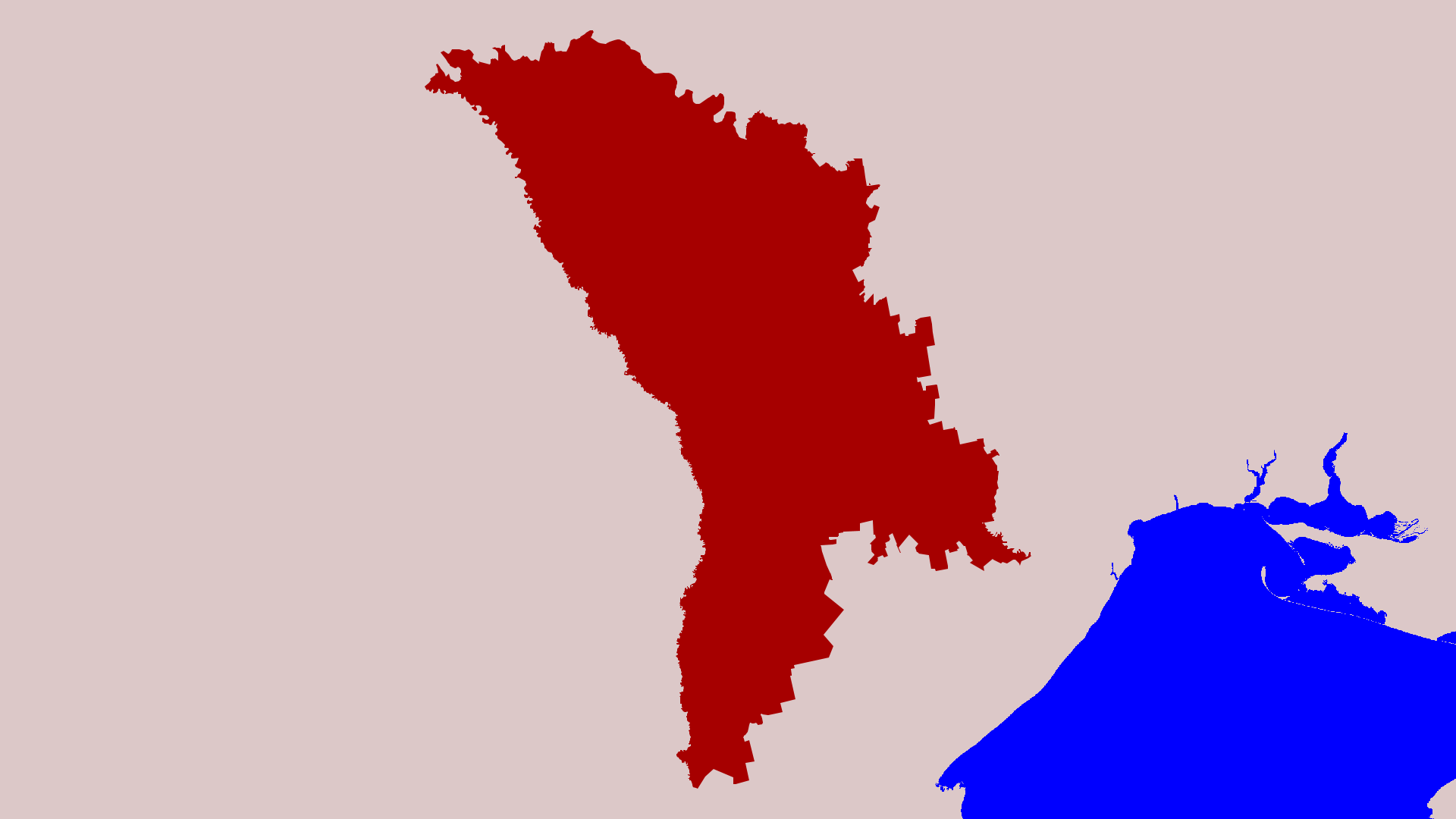
Introduction to Moldawien
Moldawien, or Moldova, is a small landlocked country in Eastern Europe that has often gone unnoticed on the international stage. However, its unique culture, rich history, and strategic location make it an increasingly relevant topic in discussions about European affairs and regional stability. As the country navigates its path between the European Union and Russia, understanding Moldawien is essential for grasping the complexities of Eastern European geopolitics.
Historical Context
Moldawien’s history is marked by a blend of influences due to its strategic location between Romania and Ukraine. Once part of the Soviet Union, the country gained independence in 1991 after a tumultuous history of occupation and control by various empires. This rich tapestry has resulted in a diverse cultural heritage shaped by Romanian, Slavic, and Turkish influences. Today, Moldawien is working to establish its identity as it seeks closer ties with the EU, which is evident in its recent reforms aimed at boosting democracy and economic stability.
Current Events and Developments
In recent months, Moldawien has made headlines as it faces various challenges and opportunities. The government has been pushing for deeper integration with the European Union, highlighted by the approval of an association agreement that aims to enhance political and economic relations. This move has been met with mixed reactions domestically as some citizens express concerns over potential economic repercussions, while others welcome the prospect of modernisation and economic support from the EU.
Moreover, the ongoing conflict in Ukraine has significantly impacted Moldawien, resulting in increased security concerns and an influx of refugees into the country. The government has called for greater international support to address this humanitarian crisis while also enhancing its own security frameworks. Regional stability in Eastern Europe hinges on Moldawien’s ability to navigate these pressing issues effectively.
Conclusion: The Future of Moldawien
As Moldawien continues to carve out its path amidst significant regional challenges, its future remains a critical point of interest for both local and international observers. The progress towards EU integration, coupled with the nation’s response to the refugee crisis and security concerns, will shape its trajectory in the coming years. For readers following these developments, understanding Moldawien offers insights not only into its rich heritage but also into the broader dynamics of Eastern European politics. The country stands at a crossroads, and its decisions today will influence stability and growth in the region for years to come.