








Introduction
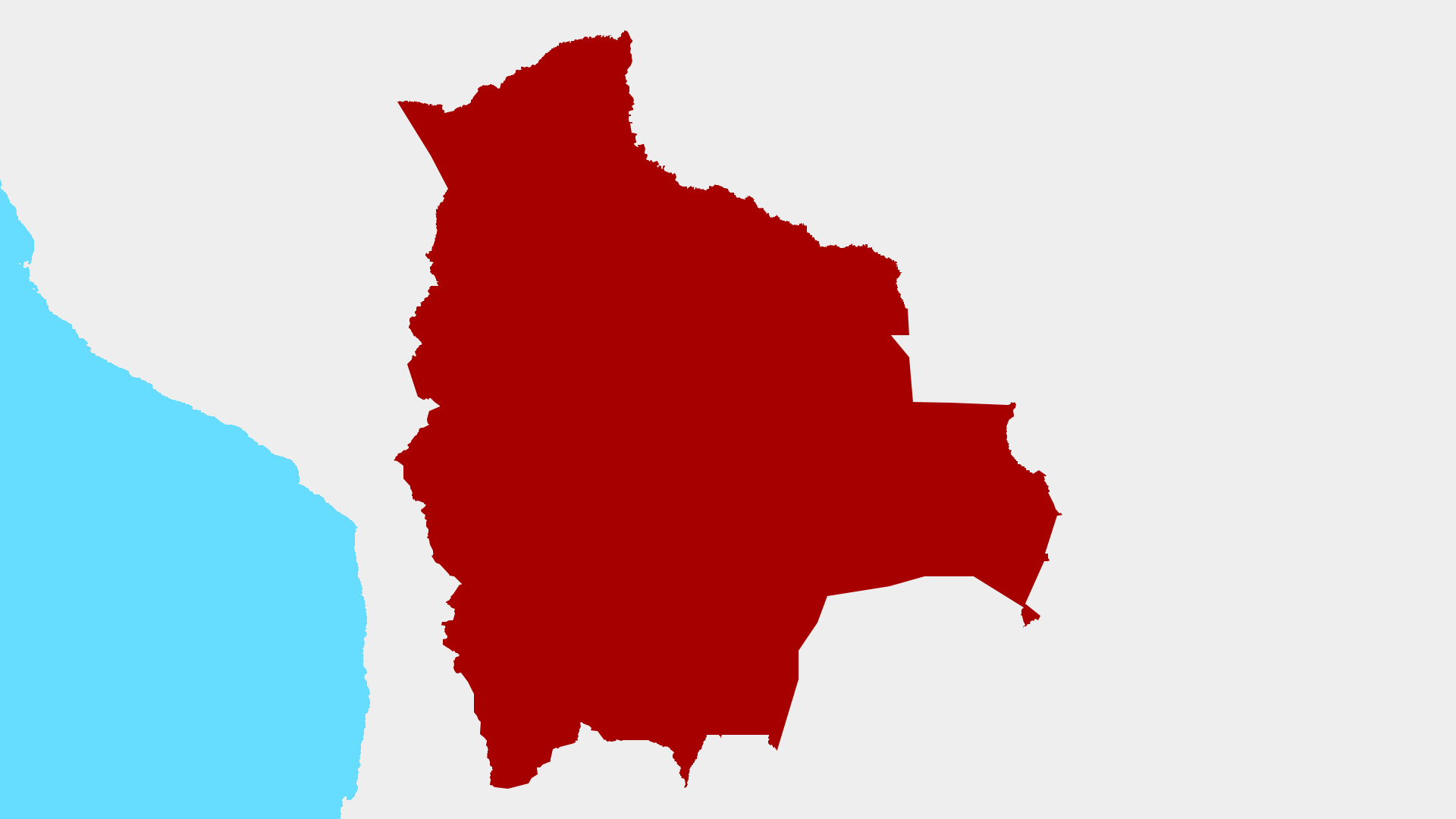
Bolivien, officially known as Bolivia, is a landlocked country located in the heart of South America. Renowned for its rich cultural heritage and stunning geographical diversity, Bolivia is a nation where indigenous traditions and vibrant communities coexist. Its importance on the global stage is marked by its natural resources, historical significance, and ongoing socio-political developments.
Geographic Diversity and Resources
The geography of Bolivia is notably varied, encompassing the Andes mountains, the Amazon rainforest, and extensive highland plateaus. This diverse terrain contributes to Bolivia being home to a plethora of ecosystems and wildlife. Furthermore, Bolivia boasts significant natural resources, including lithium, which has garnered global attention due to the increasing demand for electric vehicle batteries. The Salar de Uyuni, the world’s largest salt flat, is also located here and is a significant source of lithium extraction, as countries rush to secure this vital resource for the future of energy.
Cultural Heritage
Culturally, Bolivien is a tapestry woven from over 30 indigenous groups, including the Quechua and Aymara. Each group contributes to Bolivia’s unique cultural identity, with traditional festivals, music, and art. The annual Carnival of Oruro, a UNESCO Masterpiece of the Oral and Intangible Heritage of Humanity, showcases the rich traditions of the country. Furthermore, the political landscape in Bolivien often reflects the aspirations of its indigenous populations, who continue to fight for representation and resources.
Current Events
As of 2023, Bolivia is experiencing significant political transitions. President Luis Arce, from the Movimiento al Socialismo (MAS) party, is navigating ongoing challenges, including economic recovery post-pandemic and social unrest regarding resource management and indigenous rights. The recent protests in the capital, La Paz, highlight the tensions between government policies and indigenous communities’ demands. Analysts predict that the outcome of these movements could reshape Bolivia’s political landscape and impact its international relations, particularly regarding trade agreements involving its mineral wealth.
Conclusion
Bolivien is a country of immense cultural richness and geographical beauty, facing dynamic challenges and opportunities. Its journey through political evolution, resource management, and the preservation of cultural identity remains significant not just for its citizens, but also for global observers interested in the socio-political climate of South America. As Bolivia continues to assert itself on the world stage, the implications of its developments will be crucial for understanding broader regional trends and global resource dynamics.