









Introduction
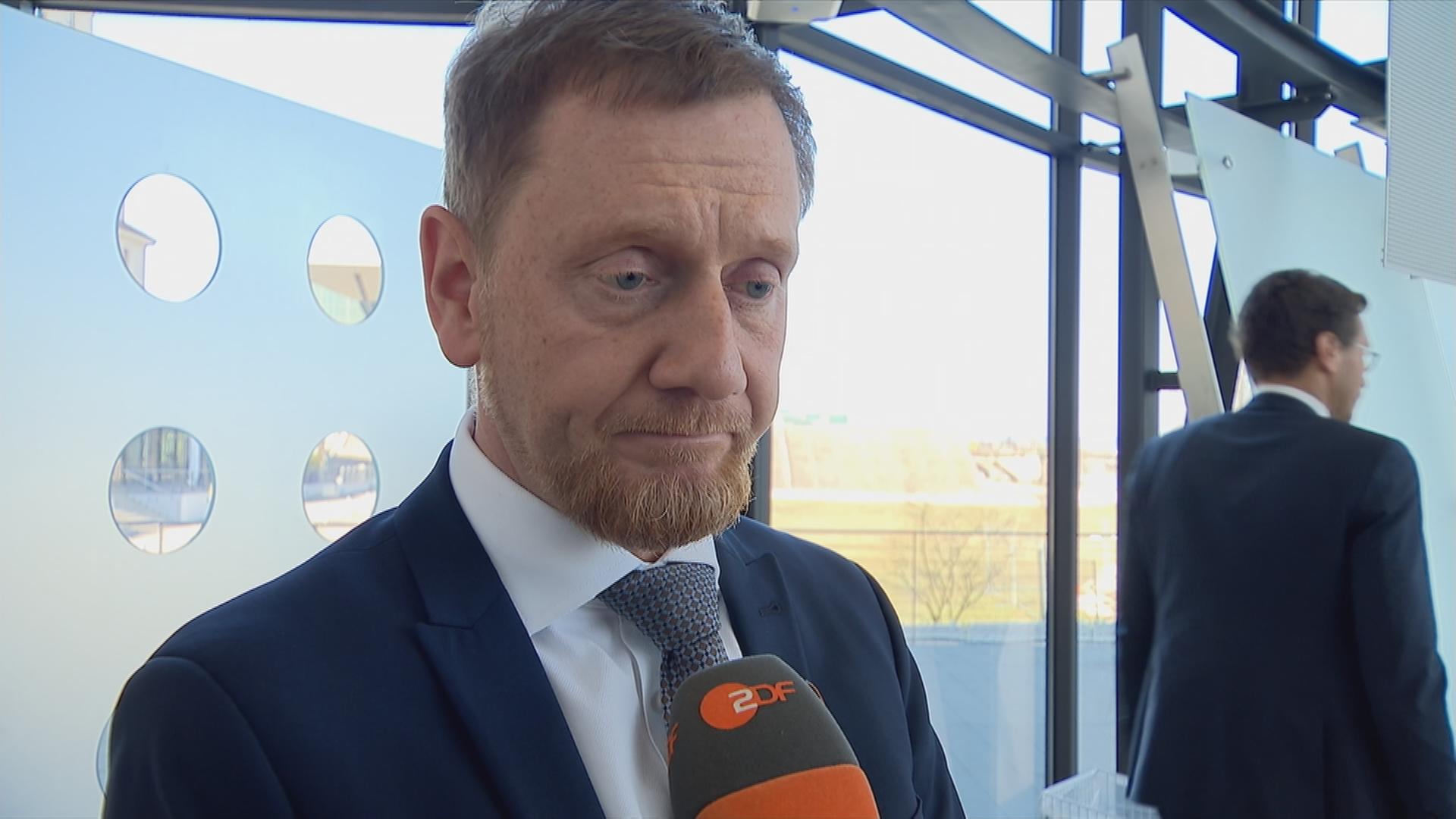
Michael Kretschmer, the Minister-President of Saxony and a key member of the Christian Democratic Union (CDU), has been a significant figure in the German political landscape. His influence has become increasingly pertinent as Germany navigates various challenges, including economic recovery post-COVID-19, climate policy, and social cohesion. Kretschmer’s leadership style and policy initiatives could have lasting implications not only for Saxony but also for the broader trajectory of national politics.
Current Political Context
As of mid-2023, Germany has faced mounting pressures stemming from rising inflation, energy crises, and an evolving political climate that has seen the emergence of new parties and shifting voter preferences. In recent months, Kretschmer has been vocal about the need for a balanced approach to these challenges, advocating for economic measures that stimulate recovery while maintaining environmental sustainability. His government is focused on job creation, supporting local businesses, and investing in renewable energy initiatives.
Key Initiatives
Under Kretschmer’s administration, Saxony has seen significant investments in digital infrastructure as part of Germany’s push towards modernization. His commitment to enhancing educational facilities and training programmes is aimed at equipping the workforce with necessary skills for the future economy. Kretschmer has also championed policies to improve housing availability and affordability, addressing one of the pressing concerns for residents.
International Relations and Migration Policy
In addition to domestic issues, Kretschmer has taken a firm stance on international relations, particularly regarding the EU’s handling of migration. He has been supportive of measures that enhance border security while also expressing the need for humane treatment of asylum seekers. This balanced perspective resonates with many constituents who advocate for both economic stability and social responsibility.
Conclusion
Michael Kretschmer’s role as a state leader is crucial as Germany faces various multifaceted challenges. His pragmatic approach to governance, coupled with a focus on economic and social policies, positions him as a significant player in shaping the future of the CDU and the country. Looking ahead, political analysts suggest that Kretschmer’s strategies may influence the outcomes of upcoming elections, not only in Saxony but also on the national stage. For voters, his policies present a pivotal opportunity to enhance both local welfare and ensure sustainable development in an increasingly complex world.