









Introduction
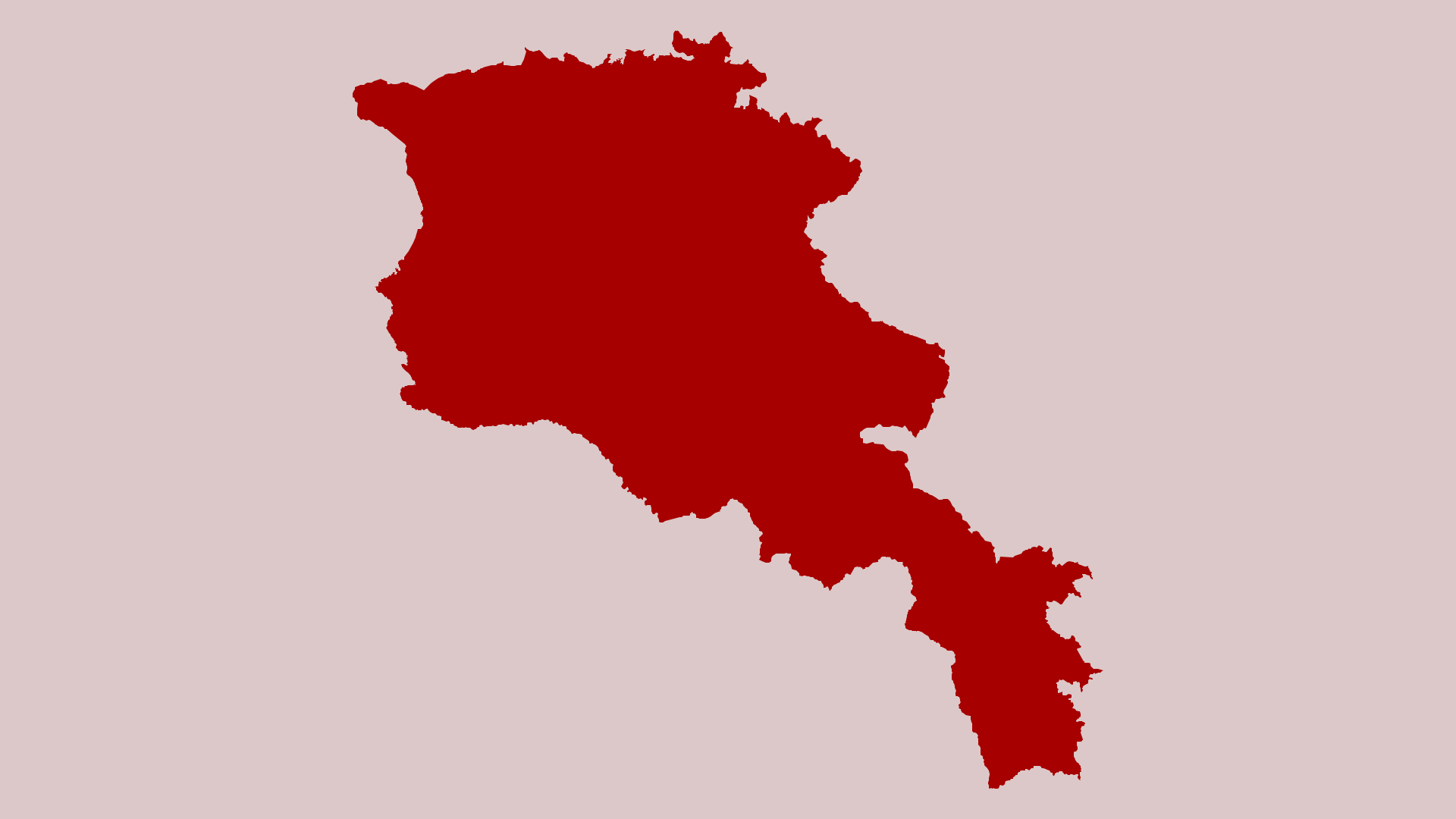
Armenien, also known as Armenia, is a small landlocked country in the South Caucasus region of Eurasia. With a rich cultural heritage and a history that dates back thousands of years, Armenia holds a significant place in world history. The importance of studying Armenien lies not only in its ancient traditions and historical resilience but also in its ongoing influence within contemporary geopolitics and culture.
Historical Significance
The history of Armenien can be traced back to the 6th century BC, making it one of the oldest continuously inhabited nations in the world. It was the first nation to adopt Christianity as its state religion in 301 AD, a pivotal moment that has shaped its cultural identity. Today, the Armenian Apostolic Church is one of the oldest Christian communities in the world, and its traditions continue to have a profound impact on Armenian life.
Current Events and Highlights
In recent years, Armenien has gained international attention due to a mix of political challenges and cultural developments. The 2020 Nagorno-Karabakh conflict reignited discussions about territorial disputes with Azerbaijan, showcasing the precarious geopolitical position of the nation. Additionally, in the aftermath of the conflict, the Armenian government has focused on rebuilding and strengthening its societal structures, with initiatives aimed at improving education and technology sectors.
Cultural Heritage
Armenien’s cultural legacy is rich with diverse traditions, music, dance, and cuisine. The country is known for its distinctive architecture, including its numerous ancient churches and monasteries, many of which are UNESCO World Heritage Sites. The culinary landscape is marked by local specialties such as khorovats (grilled meats) and dolma (stuffed grape leaves), which reflect its deep agricultural roots.
Conclusion
The significance of Armenien goes beyond its small geographical size; its unique cultural identity and historical context present a captivating picture of resilience and continuity. As the country navigates the challenges of the 21st century, the preservation and celebration of its heritage remain key to its national identity. For readers, understanding Armenien offers valuable insights into the complexities of regional dynamics in the South Caucasus and the broader narrative of human history.