









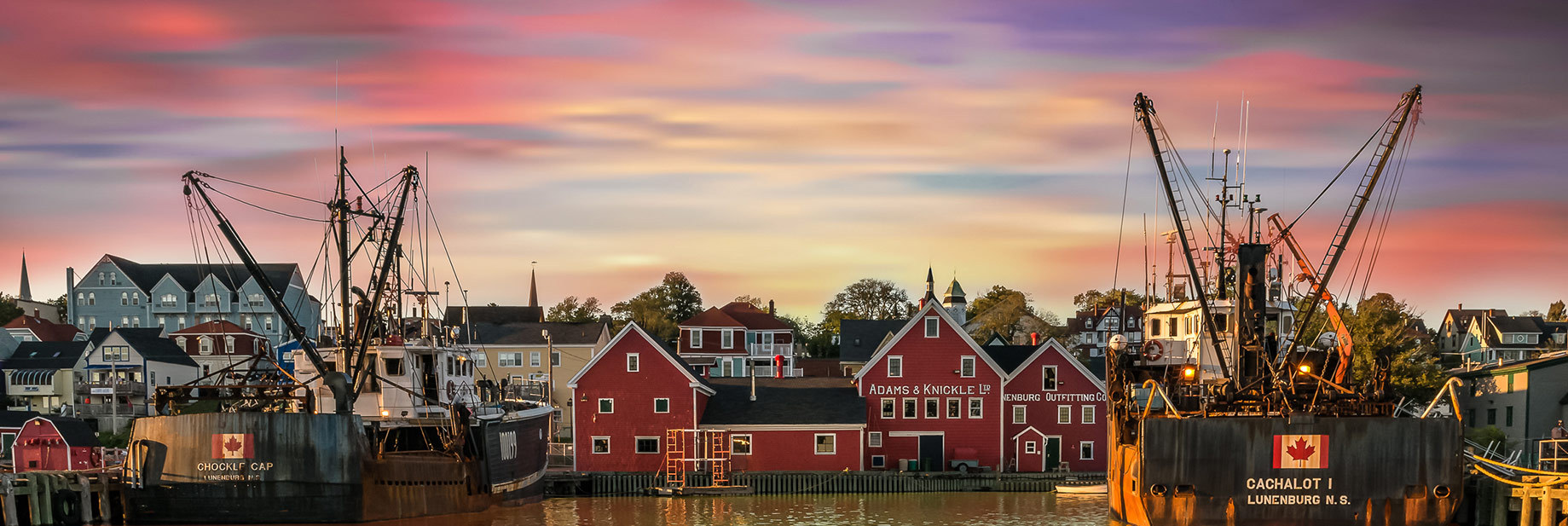
Introduction
Lunenburg, a picturesque town on Canada’s East Coast located in Nova Scotia, holds great significance as a UNESCO World Heritage Site. Renowned for its well-preserved colonial architecture and vibrant fishing history, Lunenburg is crucial not only as a tourist destination but also as a living testament to Canada’s maritime heritage.
Historical Background
Founded in 1753, Lunenburg was part of the British colonial expansion in North America. The town was established as a settlement for Protestant Germans and other Europeans, leading to a unique blend of cultures reflected in its architecture, cuisine, and community traditions. In 1995, it was designated as a UNESCO World Heritage Site, recognising its historical significance and outstanding universal value.
Contributions to Maritime Heritage
Lunenburg is internationally celebrated for its shipbuilding industry, particularly known for creating the Bluenose, a fishing and racing schooner that became a Canadian icon. The town’s waterfront is still active, with fishermen and boat builders continuing the traditions passed down through generations. Lunenburg’s Fisheries Museum of the Atlantic offers visitors a glimpse into the town’s maritime roots and the lives of local fishermen.
Architectural Significance
The town’s striking architecture, characterized by distinctive wooden buildings painted in bright colours, is a major attraction. The Old Town, with its narrow streets and compact layout, showcases the town’s 18th-century British Empire architecture, making it a living museum. Visitors can enjoy guided walking tours to better appreciate the historical and architectural nuances of this charming town.
Tourism and Local Economy
Tourism plays a crucial role in Lunenburg’s local economy, attracting thousands of visitors each year. The local government has actively promoted sustainable tourism, seeking to balance economic growth with the preservation of the town’s heritage. Guests can enjoy numerous festivals, art galleries, and culinary experiences that highlight local seafood and regional delicacies, bolstering the community spirit and economy.
Conclusion
Lunenburg stands out as an irreplaceable jewel of Nova Scotia, combining rich maritime history with breathtaking scenery and uniquely preserved architecture. As it faces challenges such as climate change and economic pressures, the community remains committed to preserving its cultural heritage while fostering sustainable tourism. For both history enthusiasts and adventure seekers, Lunenburg represents a vibrant chapter in Canada’s story, promising a unique experience well-worth the visit.