









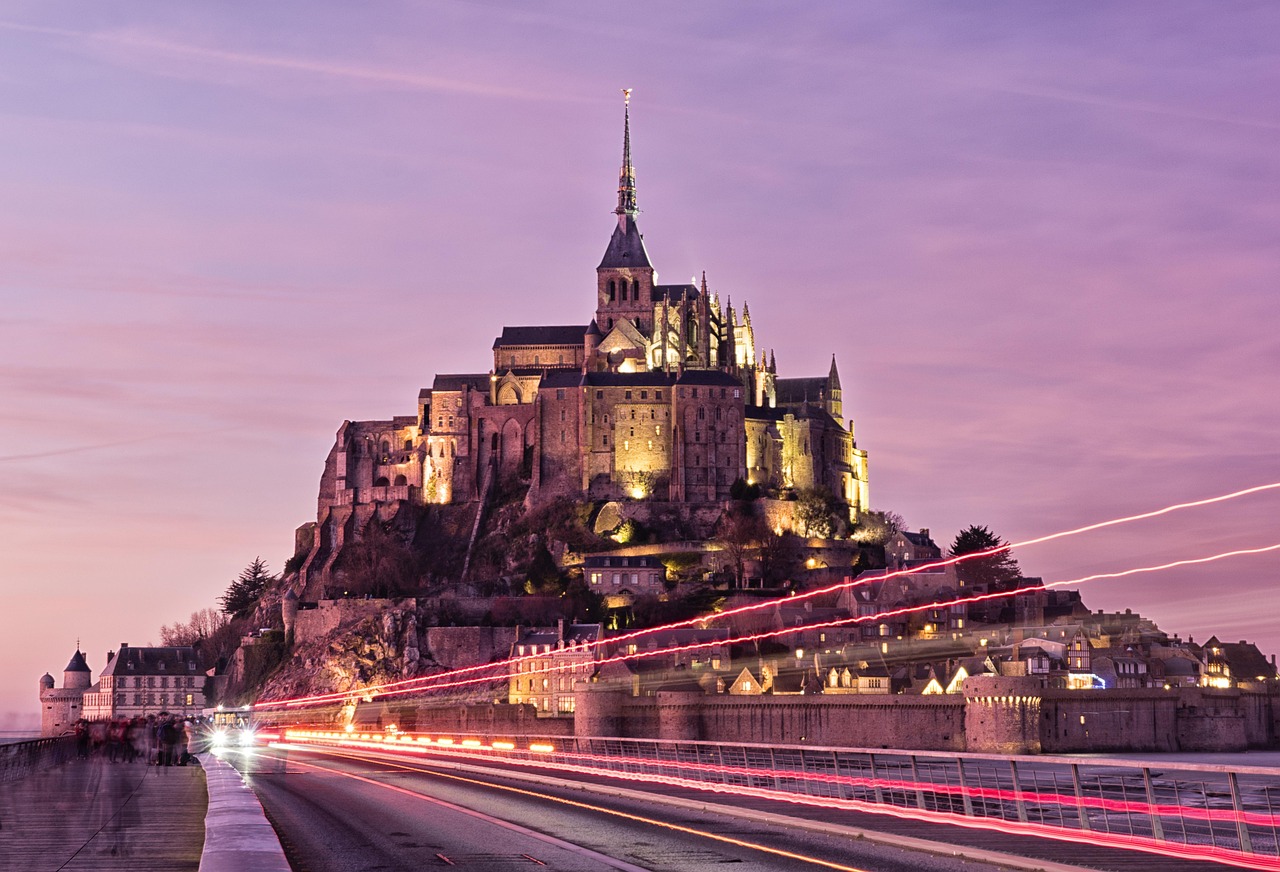
Introduction to Mont Saint Michel
Mont Saint Michel, an island commune located in Normandy, France, is renowned for its striking medieval architecture and breathtaking landscapes. As a UNESCO World Heritage Site, it attracts millions of visitors each year, making it one of France’s most iconic landmarks. Its historic significance, architectural marvels, and unique geographic position amplify its relevance not only as a tourist destination but also as a symbol of French culture and history.
Historical Background
The history of Mont Saint Michel dates back to the 8th century when it was founded as a sanctuary for pilgrims dedicated to the archangel Michael. Over the centuries, this island grew in prominence, evolving from a simple abbey into a fortified town. Its strategic location offered both religious and military advantages, particularly during the Hundred Years’ War when it famously resisted numerous English assaults.
Architectural Features
The architecture of Mont Saint Michel reflects centuries of building styles, from Gothic to Romanesque. The abbey, perched atop the rocky island, features stunning spires, vaulted ceilings, and intricately designed chapels. The narrow streets and medieval buildings that wind down to the harbour evoke a sense of stepping back in time. The tidal variations at Mont Saint Michel create dramatic changes in its landscape, enhancing its visual appeal.
Current Events and Tourism Impact
As of late 2023, Mont Saint Michel continues to draw attention not only for its historical allure but also for ongoing conservation efforts aimed at preserving its unique environment. Recent initiatives focus on managing the increasing number of tourists, ensuring that this natural and built heritage remains intact for future generations. Local authorities have implemented measures to mitigate the impact of tourism while promoting sustainable practices.
Conclusion
Mont Saint Michel stands as a testament to human ingenuity, resilience, and devotion. Its rich history, along with its architectural splendour, offers visitors a glimpse into the past while also highlighting the challenges faced in the modern age of mass tourism. Looking ahead, Mont Saint Michel is poised to continue being a beacon of cultural heritage, drawing both history enthusiasts and casual tourists alike, whilst reminding us of the importance of preserving such treasures for future generations.