









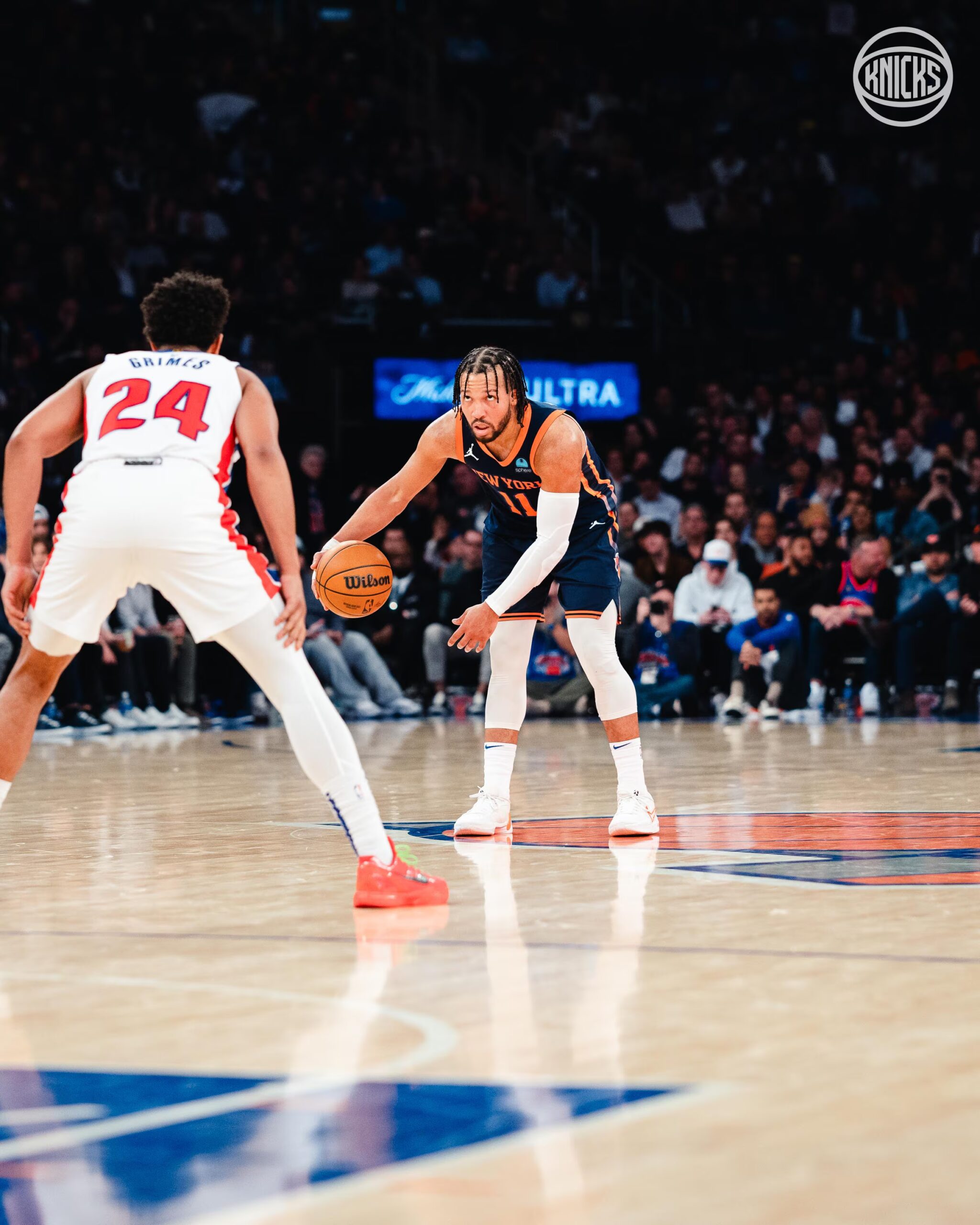
Importance of the Match-Up
The rivalry between the Detroit Pistons and the New York Knicks has always been a captivating aspect of NBA history. Both teams have a rich legacy, with passionate fanbases that add to the excitement of every encounter. This season, their meetings have not only been keenly awaited but also critical in shaping playoff scenarios.
Recent Game Highlights
On February 15, 2023, the Pistons and Knicks faced off at Madison Square Garden in a thrilling contest that demonstrated the evolving dynamics of both teams. The Knicks emerged victorious with a score of 114 to 110, showcasing their capability to close out tight games. The star of the match was Julius Randle, who scored 30 points and had 12 rebounds, providing the Knicks with the leadership they needed.
Key Players
For the Pistons, Cade Cunningham continues to impress, contributing significantly despite the team’s rebuilding phase. In the recent match, he scored 28 points and provided 7 assists, highlighting his potential as a franchise player. However, the lack of depth in the Pistons’ bench was evident, as they struggled to maintain their momentum in the second half.
Standings and Future Match-Ups
The win against the Pistons helped the Knicks maintain their position in the competitive Eastern Conference playoff race, placing them in a better position to secure a postseason spot. Meanwhile, the Pistons, currently in a rebuilding year, are focused on developing their young talents while aiming to improve their standing. As both teams prepare for their next encounters, fans are eager to see how these budding rivalries will unfold in future games.
Conclusion
As the NBA season progresses, the Pistons vs. Knicks match-up remains an important one to watch. With both franchises undergoing transformations, each game represents an opportunity for growth and the chance to shape the narrative of the season. Fans of both teams can look forward to their next meeting and keep an eye on how the players develop both individually and collectively.