








Introduction
Eritrea, a nation located in the Horn of Africa, has been in the spotlight due to its complex history and unique geopolitical situation. Bordering the Red Sea, Eritrea is known for its stunning landscapes, but it also faces significant challenges, including socio-political issues and economic hardships. Understanding Eritrea is essential in light of current global dynamics, particularly as the East African region becomes increasingly significant on the world stage.
Geography and Demographics
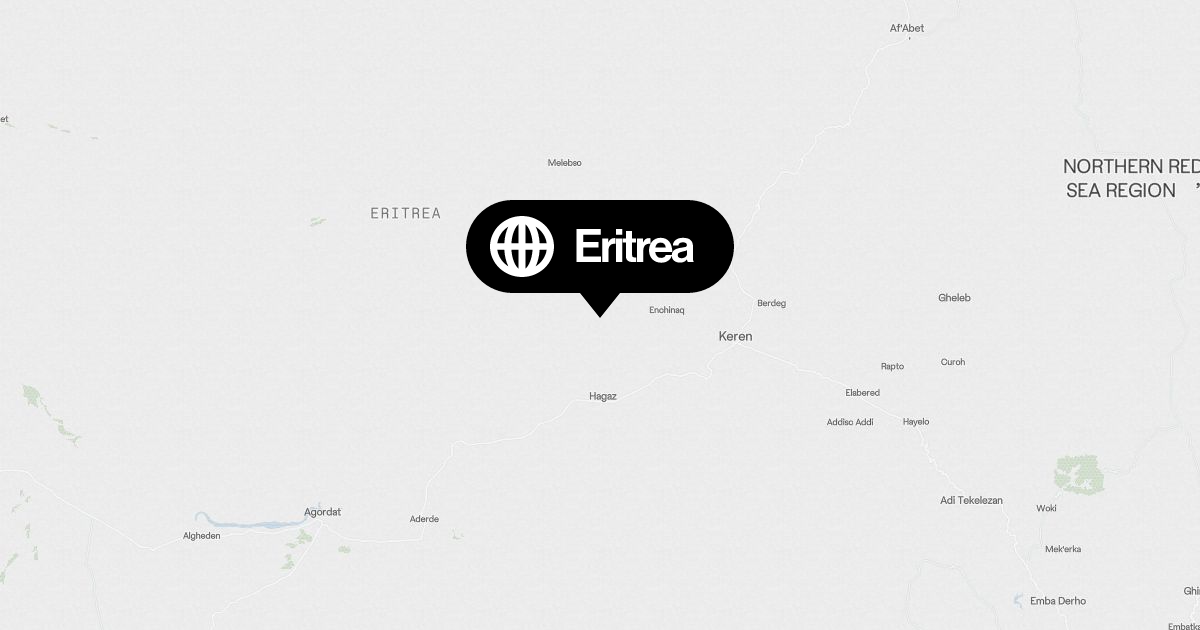
Eritrea is bordered by Sudan to the west, Ethiopia to the south, and Djibouti to the southeast. The capital city, Asmara, is noted for its well-preserved Italian colonial architecture and sits at a high altitude, which contributes to its mild climate. With a population of approximately 3.6 million people, Eritrea is home to diverse ethnic groups, primarily the Tigrinya, Tigre, and Saho. The country also recognizes nine official languages, showcasing its rich cultural tapestry.
Historical Context
After a long struggle for independence from Ethiopia, Eritrea became a sovereign nation in 1993. However, the subsequent border conflict with Ethiopia from 1998 to 2000 resulted in lasting tensions. Though a peace agreement was signed in 2018, the political landscape remains fragile, with ongoing concerns over human rights violations and political freedoms. The government’s strict control over the media and lack of political pluralism have attracted international criticism.
Current Events and Issues
In recent months, Eritrea’s involvement in regional conflicts, particularly in Ethiopia’s Tigray region, has raised alarm. Eritrean troops were reported to have participated in the conflict, leading to widespread humanitarian issues. The United Nations and various human rights organizations have condemned Eritrea’s government for its military actions and treatment of refugees. Reports indicate that thousands of Eritrean nationals have fled the country in search of safety, exacerbating the refugee crisis in East Africa.
Conclusion
The future of Eritrea is deeply intertwined with regional politics and global humanitarian considerations. As international attention focuses on Eritrea, there is hope that the combination of diplomatic pressures and the growing resilience of its citizens may lead to positive change. For readers invested in global affairs, understanding Eritrea’s past and present is essential for engaging with its future. The country stands at a crossroads, where the potential for progress coincides with the reality of socio-political challenges, requiring both empathy and informed advocacy from the international community.