









Introduction
Statins have become a critical component in the management of high cholesterol, a prevalent condition that significantly increases the risk of cardiovascular diseases. With millions of people prescribed these medications globally, understanding their function and recent developments is essential for both patients and healthcare providers alike.
What are Statins?
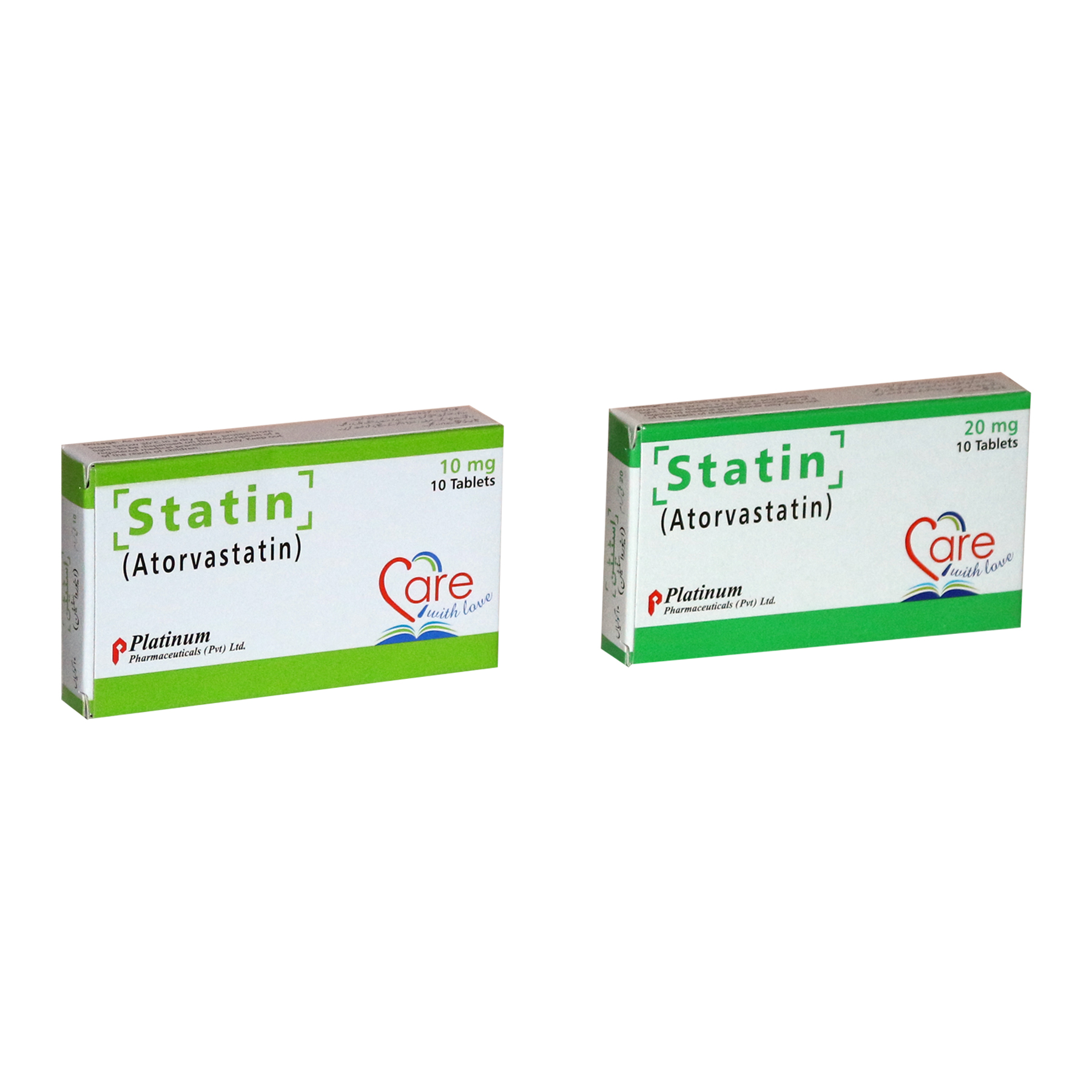
Statins are a class of drugs that reduce cholesterol levels in the bloodstream by inhibiting the enzyme HMG-CoA reductase, which plays a central role in cholesterol synthesis. By lowering low-density lipoprotein (LDL) cholesterol, commonly referred to as “bad” cholesterol, statins help reduce the risk of heart attacks and strokes. Commonly prescribed statins include atorvastatin, simvastatin, and rosuvastatin.
Current Developments and Research
Recent studies have further solidified the importance of statins in cardiovascular health. A 2023 meta-analysis published in the Journal of the American College of Cardiology examined the long-term outcomes of statin therapy and found that consistent use can lead to a 25-30% reduction in major cardiovascular events. Additionally, new research indicates that statins may provide benefits beyond cholesterol management, including anti-inflammatory effects that may aid in the prevention of diabetic complications.
Controversies and Considerations
While statins have proven effective, they are not without controversy. Some patients experience side effects ranging from muscle pain to digestive issues, leading to discontinuation of therapy. Moreover, the recent debate regarding statin prescribing practices has centred on the appropriateness of statins for those with lower cholesterol levels but higher cardiovascular risk factors. Healthcare professionals continue to evaluate the risk versus benefit in these cases.
Conclusion
The significance of statins in controlling cholesterol levels cannot be overstated, especially as cardiovascular diseases remain one of the leading causes of death worldwide. Ongoing research continues to explore their expanded benefits and patient profiles that may benefit most from therapy. For individuals newly prescribed statins or those concerned about their use, open communication with healthcare providers is crucial to ensure that medication aligns with their overall health strategy. Awareness and informed decisions will empower patients to manage their health effectively while utilising the full potential of statin therapy.