









Introduction
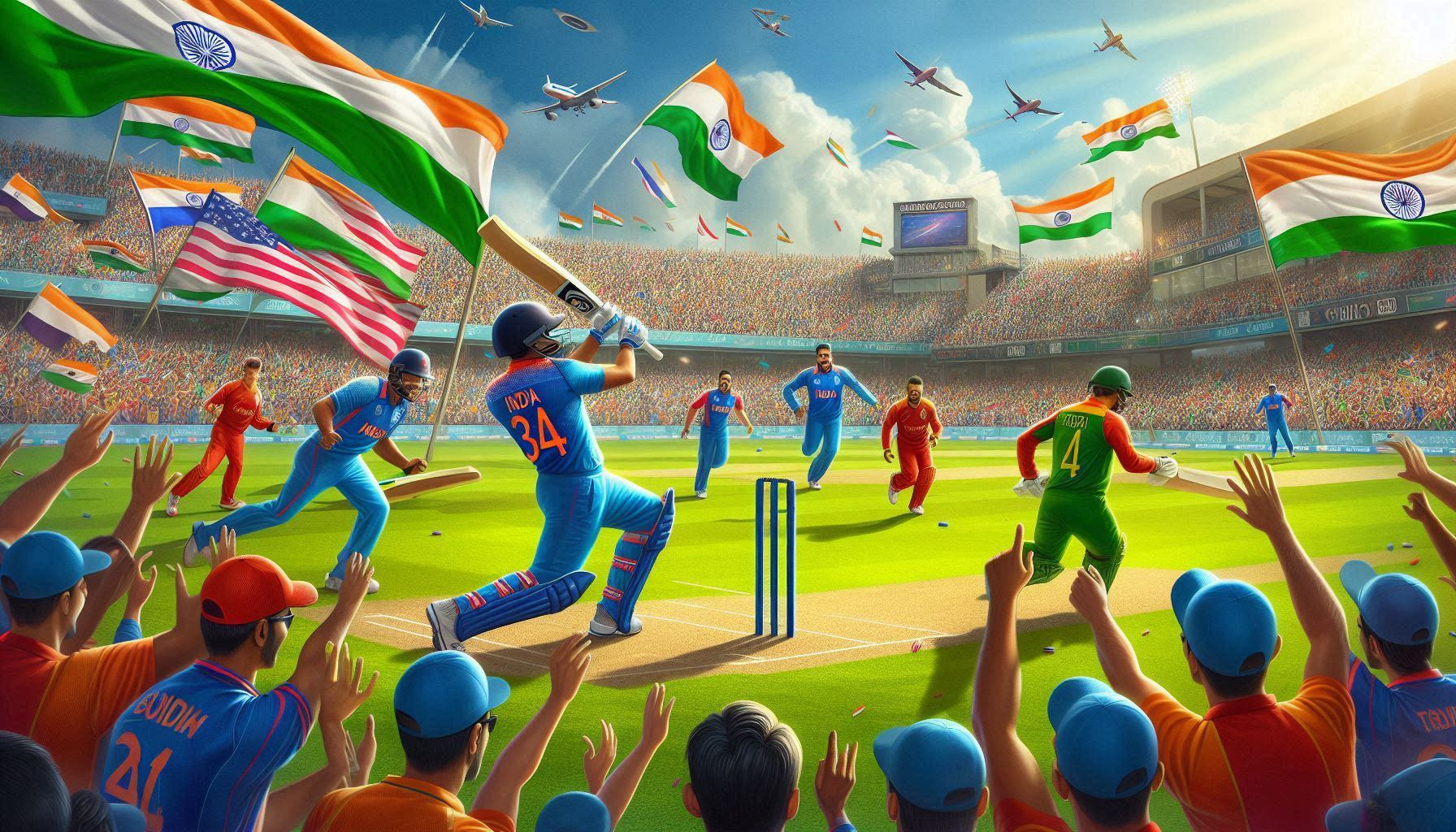
The rivalry between India and the United States has evolved beyond politics and economics, finding its way into the world of sports. This dynamic interplay between the two nations, evidenced in various disciplines, showcases not only sporting prowess but also a cultural exchange that resonates with millions. With a young population and a booming interest in sports, India’s ascent is turning heads globally, while the USA continues to dominate with its established sports infrastructure and history.
Recent Events and Achievements
In recent years, there have been several notable matchups between India and the USA across multiple sports. The cricketing stage saw the Indian cricket team defeat the USA in a historic match during the 2023 ICC Men’s World Cup qualification round, leading to significant media buzz and fanfare in both nations. In basketball, the NBA has reported growing interest from Indian players and fans, with stars like Satnam Singh paving the way for greater representation. Additionally, the USA’s women’s soccer team faced off against India in a friendly match this past summer, drawing attention to the burgeoning interest in women’s sports in India.
Cultural Exchange and Impact
The rivalry extends beyond mere competition; it represents a cultural exchange where both nations learn and share experiences. For instance, the popularity of basketball in India has surged, partially driven by the influences of American pop culture. Conversely, traditional Indian sports like cricket and kabaddi are gaining traction in the USA, with leagues being formed to cater to a diverse audience. This sporting exchange is evident in various events and collaborations, including NBA games held in India and cricket matches in the USA, contributing to the globalisation of these sports.
Future Implications
Looking ahead, the rivalry between India and the USA in sports is poised for growth. With increasing immigration and cultural exchanges, more Indian athletes are expected to compete in American leagues, while American counterparts may venture into Indian sporting events. The equitable sharing of media rights and broadcasting agreements could further bolster the reach of these athletic encounters, igniting interest in both nations.
Conclusion
The India vs USA sporting rivalry is more than just a contest for medals and trophies; it is a symbol of the budding friendship between the two nations. As both countries continue to develop their sports culture, the anticipation for future encounters will only grow. For fans and athletes alike, the significance of this rivalry lies in its potential to unite people across borders, celebrate diversity, and foster global sporting citizenship.