









Introduction
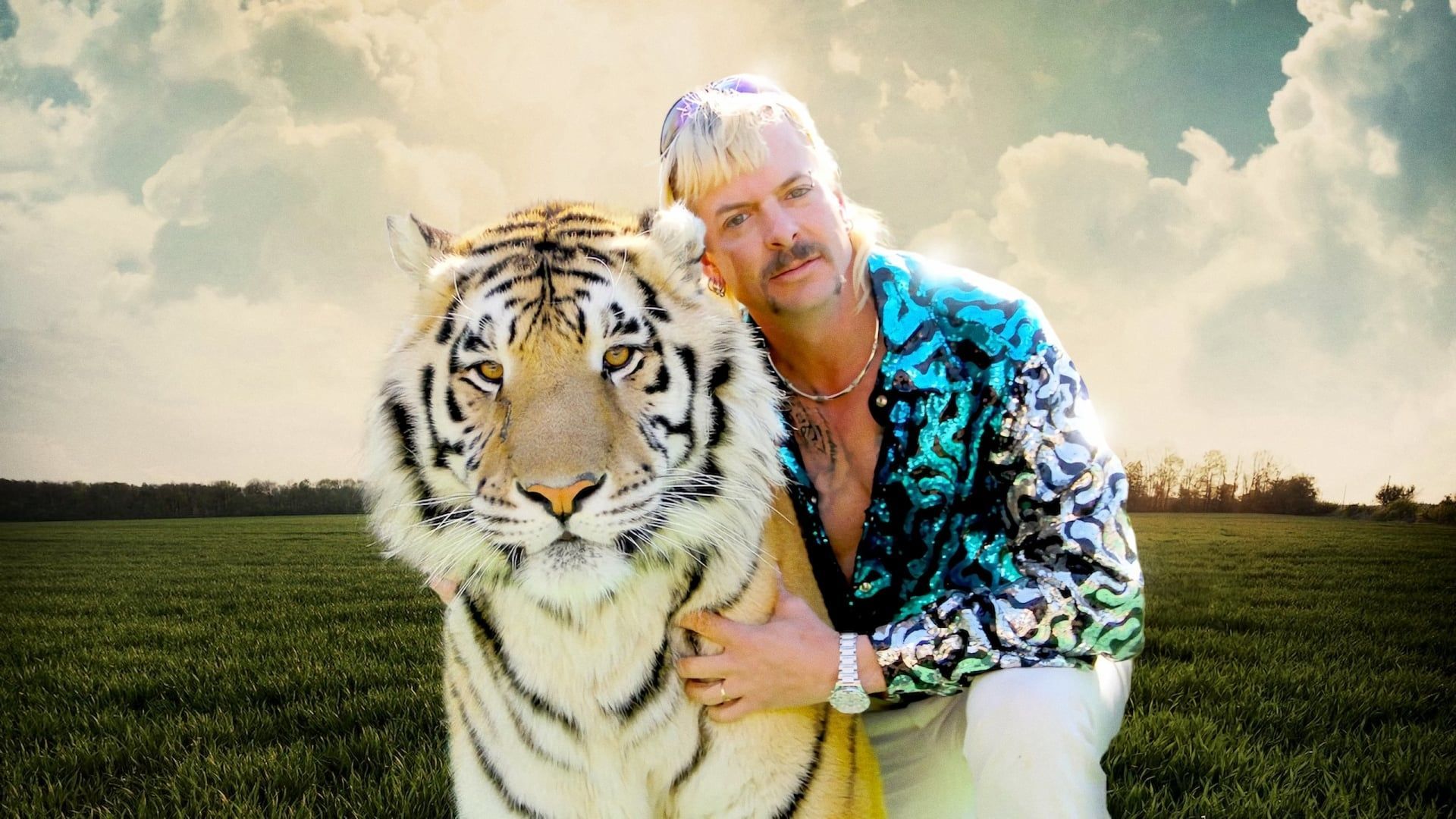
Joe Exotic, also known as the ‘Tiger King’, captivated audiences worldwide through Netflix’s documentary series that chronicled his life in the world of big cat breeding. His story is not just about exotic animals; it reflects deeper issues surrounding wildlife conservation, animal rights, and the consequences of fame and notoriety. As new developments emerge regarding his health and legal challenges, understanding his journey holds significant relevance for today’s conversations about the ethics of animal captivity.
Rise to Fame
Joe Exotic, born Joseph Maldonado-Passage, gained notoriety in the late 2010s after the release of the Netflix documentary ‘Tiger King’. The series portrayed his life as the owner of the Greater Wynnewood Exotic Animal Park in Oklahoma, where he bred and raised big cats. The show reflected the bizarre and tumultuous world of exotic animal ownership and highlighted his feuds with animal rights activists, particularly Carole Baskin. Through charismatic marketing and a controversial lifestyle, his online persona became a sensation, leading to memes and a cult following.
Legal Troubles and Imprisonment
In 2019, Joe Exotic was convicted on 17 charges of animal abuse and two counts of murder-for-hire related to a plot against Baskin. He was sentenced to 22 years in federal prison, a decision that drew mixed reactions across the public spectrum. His case raised debates over the responsibilities and ethical standards of those who maintain collections of exotic animals.
Current Events
As of late 2023, Exotic’s health has been a point of concern, as he has been diagnosed with aggressive prostate cancer. His legal team is actively seeking a presidential pardon, gaining attention and support from various online communities and celebrities. Meanwhile, the public remains intrigued by updates regarding his health, legal status, and the ongoing implications for animal rights advocacy.
Conclusion
Joe Exotic’s saga illustrates the complex interaction between human fascination with wildlife and the ethical dilemmas involved in exotic animal ownership. His life serves as a flashpoint for conversations around animal rights, conservation, and the personal consequences of seeking notoriety. As his story continues to unfold, it will be essential for fans and critics alike to reflect on the broader implications of his legacy in shaping policy and understanding regarding wildlife conservation in the years to come.