









Introduction
The world’s tallest buildings are not merely architectural marvels; they represent the pinnacle of human achievement and engineering prowess. As urban populations continue to grow, the vertical expansion of cities has become a focal point for architects and developers seeking to maximize space and resources. Understanding these towering structures provides insight into our evolving urban landscapes and the innovative technologies employed in their construction.
Current Tallest Buildings
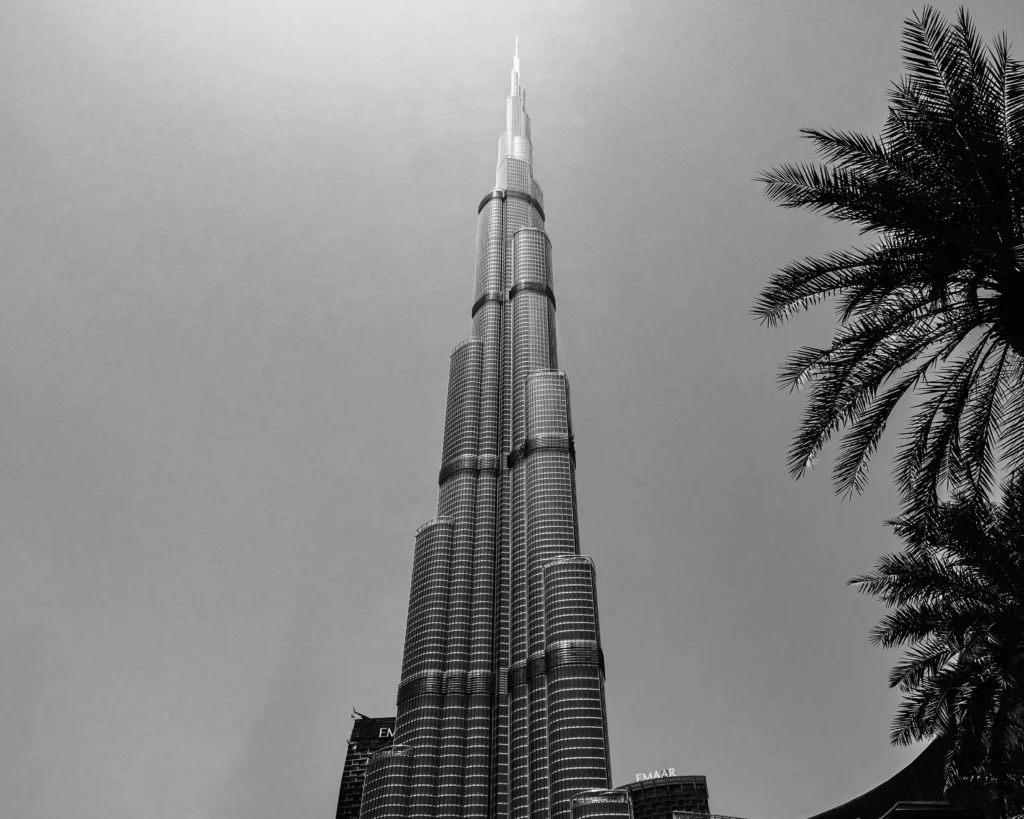
As of October 2023, the title of the tallest building in the world is held by the Burj Khalifa in Dubai, which stands at an impressive 828 metres (2,717 feet). Completed in 2010, this skyscraper has set a benchmark for architectural design and engineering. Following closely behind are the Shanghai Tower in Shanghai, measuring 632 metres (2,073 feet) and the Abraj Al Bait Clock Tower in Mecca, Saudi Arabia, which reaches 601 metres (1,971 feet).
Burj Khalifa and Its Impact
The Burj Khalifa has become a major tourist attraction, drawing millions annually to its observation decks. Its design integrates sustainable technologies, including a condensate recovery system that captures water from the air to use in irrigation, highlighting the shift towards environmentally conscious building practices.
Emerging Tall Structures
With ambitious plans across the globe, several skyscrapers are vying to break height records. The Jeddah Tower in Saudi Arabia, which is projected to reach at least 1,000 metres (3,281 feet), is currently under construction and aims to be the first building to surpass the one-kilometre mark. Meanwhile, the Dubai Creek Tower, also in Dubai, is in the planning stages and is designed to exceed the height of Burj Khalifa, reflecting the relentless pursuit of height in modern architecture.
Technological Innovations
The construction of these giants involves innovative technologies such as high-strength concrete, advanced engineering techniques, and sophisticated building materials. Safety precautions are paramount, and buildings are designed to withstand natural disasters, including earthquakes and high winds, ensuring the safety of occupants.
Conclusion
The world’s tallest buildings not only serve as symbols of ambition and progress but also as indicators of economic growth and technological advancement in urban planning. As cities expand and the demand for space increases, these skyscrapers will continue to rise, pushing the limits of architecture and redefining city skylines worldwide. Future developments suggest that we will see even taller and more sustainable structures in the years to come, inspiring awe and admiration in those who gaze upon them.