









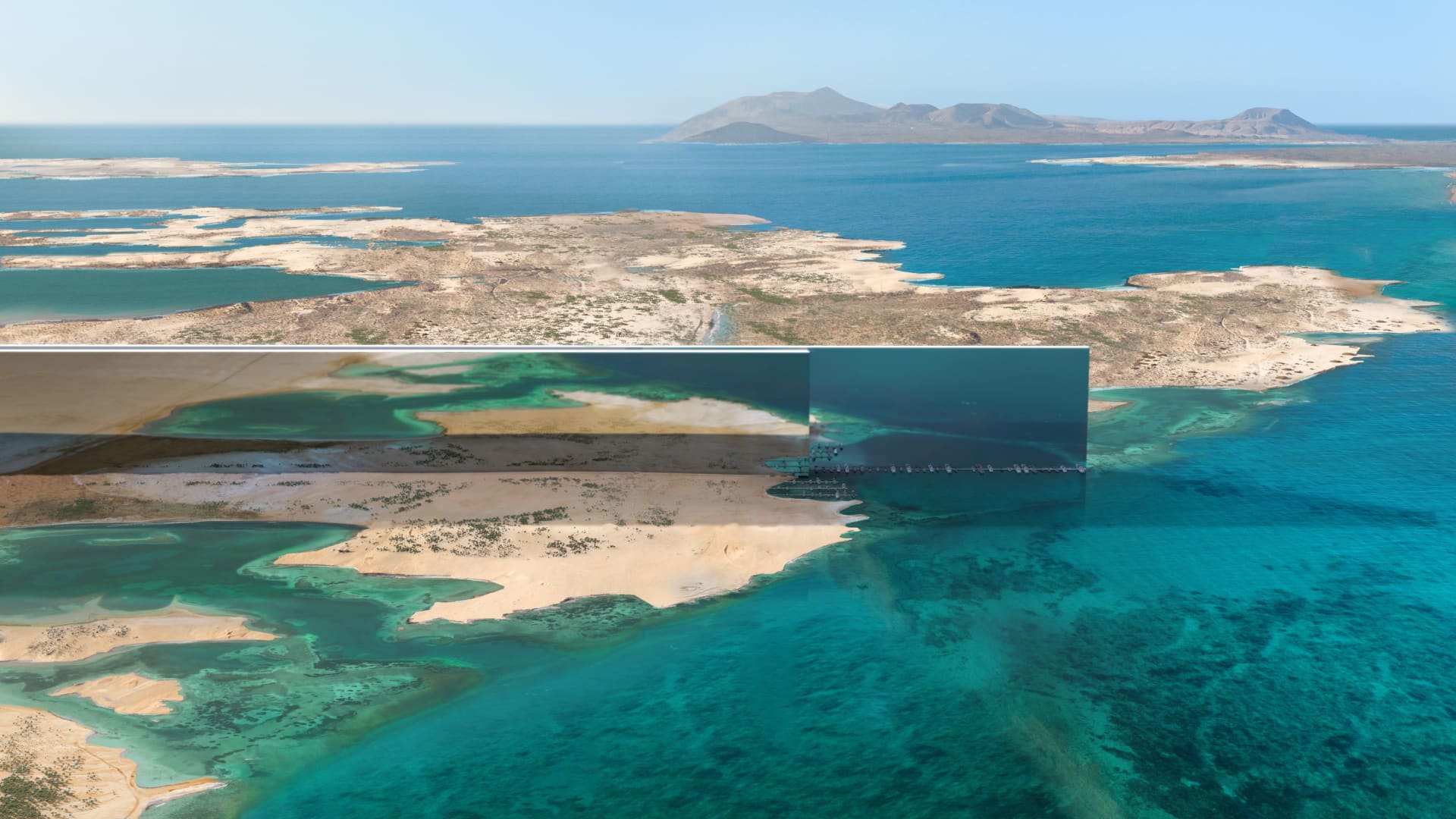
Introduction to NEOM and Al-Riyadh
As Saudi Arabia embarks on a transformative journey towards economic diversification and urban development, two significant projects have emerged: NEOM and Al-Riyadh. These initiatives are not only pivotal for the Kingdom’s Vision 2030 plan but also showcase contrasting approaches towards sustainable living, technological innovation, and urban planning.
Overview of NEOM
NEOM is a bold $500 billion initiative that aims to create a futuristic city in the northwestern region of Saudi Arabia, spanning 26,500 square kilometres. Envisioned as a hub for innovation and technology, NEOM plans to integrate smart city functions, environmental sustainability, and advanced mobility systems. This mega-project is designed to attract global investment and talent while promoting economic diversification away from oil dependency.
Understanding Al-Riyadh
In contrast, Al-Riyadh, the capital city of Saudi Arabia, serves as the political, administrative, and cultural heart of the Kingdom. Recent developments in Al-Riyadh focus on modernising existing infrastructures, enhancing urban life quality, and preserving cultural heritage. The Riyadh Development Authority has launched several initiatives aimed at expanding the city’s public transportation systems, green spaces, and recreational facilities, which aim to improve the quality of life for its residents.
Key Differences
The fundamental difference between NEOM and Al-Riyadh is their vision and project scope. NEOM’s ambitious and futuristic model aims to redefine urban living with a focus on innovation and high-tech solutions. In contrast, Al-Riyadh seeks to enhance and modernise without changing its established cultural and historical contexts. While NEOM can be seen as an experimental city, Al-Riyadh is focused on community-driven development.
Future Implications for Saudi Arabia
Both projects play vital roles in shaping the future of Saudi Arabia. NEOM is expected to stimulate the economy through tourism and investment, potentially attracting billions in revenue and partnerships with global companies. On the other hand, Al-Riyadh’s development focuses on improving urban life and retention of its residents while fostering local businesses. The success of these projects will significantly influence the Kingdom’s socio-economic landscape.
Conclusion
As NEOM and Al-Riyadh evolve, their outcomes will be closely monitored, given their potential to redefine urban living in Saudi Arabia. NEOM’s groundbreaking approach could set new benchmarks in smart city governance and innovation, while Al-Riyadh’s preservation of culture and community might provide lessons in balanced urban development. Ultimately, both projects represent vital components of Saudi Arabia’s ambitions to create a sustainable and diversified economy by 2030.