









Introduction
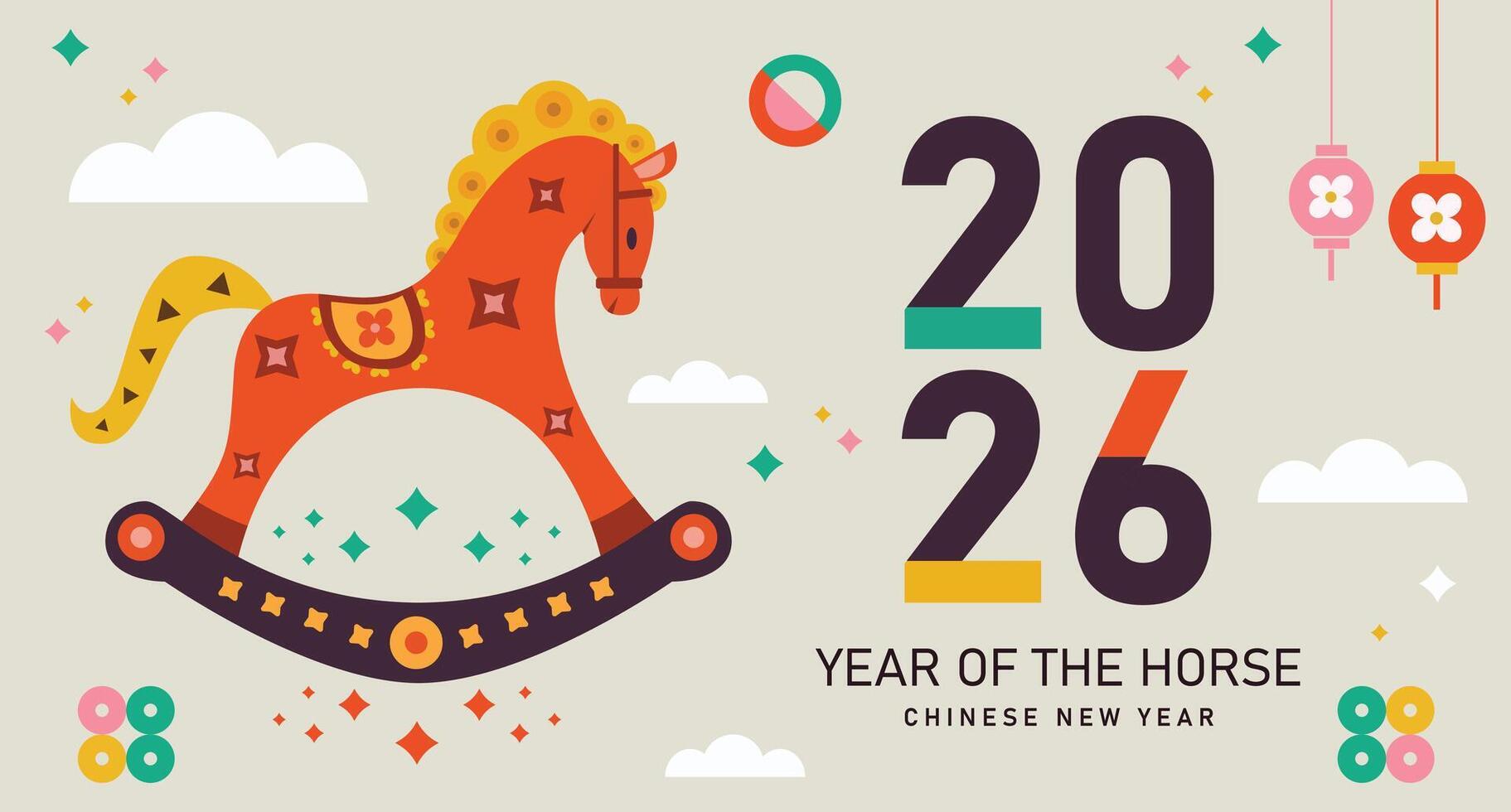
Lunar New Year, also known as Chinese New Year or Spring Festival, is one of the most significant traditional holidays celebrated worldwide, particularly in Asian cultures. The festival marks the first day of the lunar calendar and is a time for family reunions, feasting, and cultural observances. In 2026, Lunar New Year will fall on February 17, ushering in the Year of the Horse, which symbolises strength and perseverance.
Significance of Lunar New Year
The Lunar New Year is rooted in ancient traditions that encompass various customs, myths, and family-oriented activities. It is commemorated not only in China but also in various countries including Vietnam, Korea, and Malaysia, each adopting unique practices. The festival promotes unity, gratitude, and hopes for prosperity in the coming year.
Key Traditions and Festivities
In the lead-up to Lunar New Year, families engage in thorough cleaning of their homes, symbolising the removal of bad fortune to make way for good luck. People decorate their houses with red banners and paper cut-outs, representing happiness and wealth. Reunion dinners on the eve of the New Year are crucial, as family members gather to share traditional dishes.
The festival lasts for 15 days, culminating in the Lantern Festival, where colourful lanterns symbolize the letting go of the past year and welcoming the future. Fireworks and dragon dances are common sights, believed to scare away evil spirits and signify good fortune.
Global Celebrations in 2026
With growing globalisation, Lunar New Year celebrations have expanded beyond Asia. Cities like London, New York, and Sydney prominently showcase cultural festivities, featuring parades, music, and stalls serving traditional dishes. In 2026, large gatherings are expected, as many are eager to return to in-person celebrations after years impacted by the pandemic.
Conclusion
The Lunar New Year stands as a time of reflection, renewal, and excitement. As the Year of the Horse approaches in 2026, it brings forth an opportunity for individuals and families to reconnect, foster cultural heritage, and express their hopes for the year ahead. Understanding and participating in these festivities enhances appreciation for diverse cultural practices, affirming the significance of community and traditions in our interconnected world.