









Introduction to the FTSE 100 Index
The FTSE 100 Index, often referred to as the “Footsie,” is a crucial benchmark for the London Stock Exchange, representing the 100 largest publicly traded companies in the UK. As one of the most widely followed indices, it serves as a key indicator of the UK economy’s health and the performance of its equity markets. Understanding the FTSE 100 is essential for investors, policymakers, and anyone interested in the dynamics of the British financial landscape.
Recent Performance and Trends
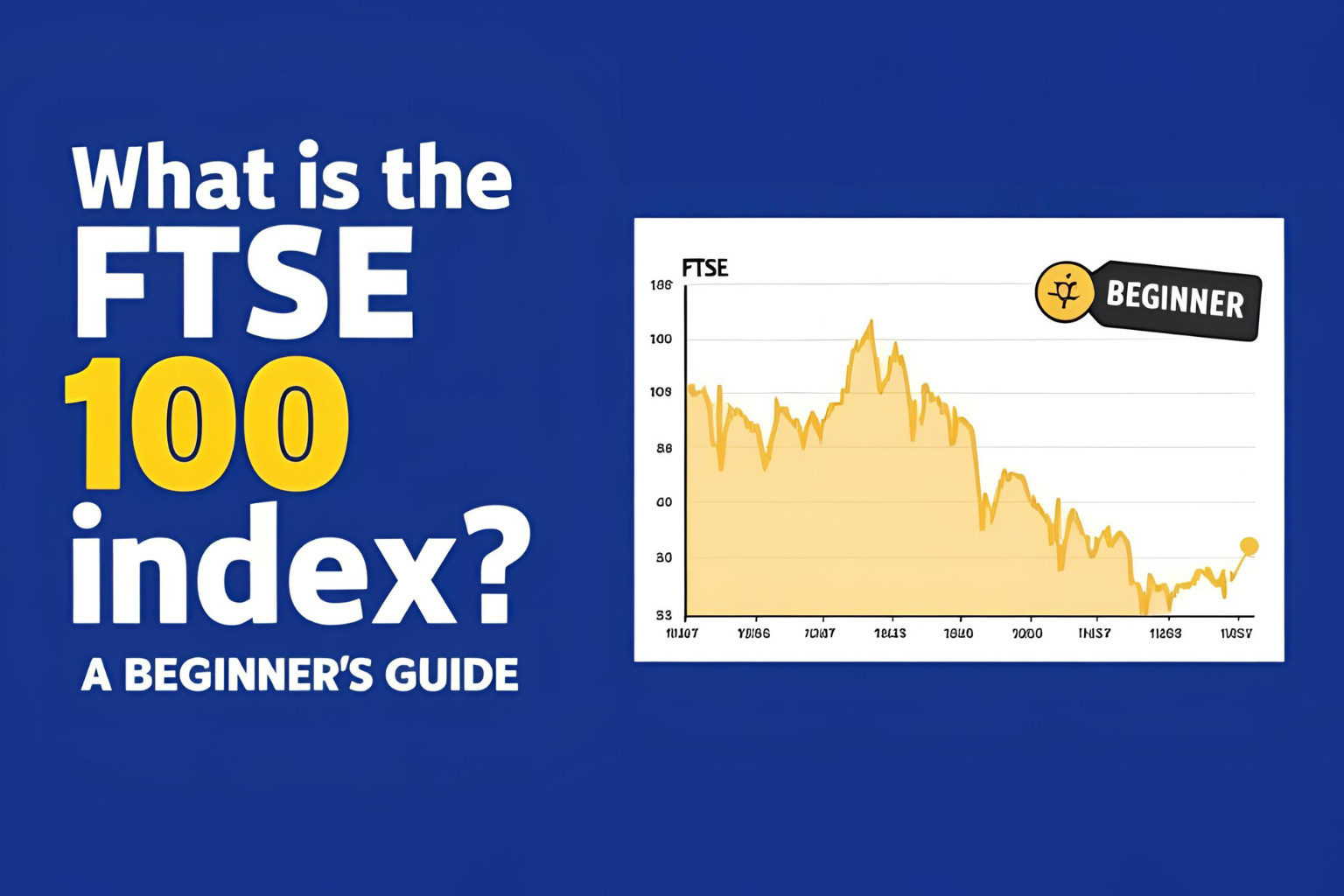
As of October 2023, the FTSE 100 has shown signs of recovery following a period of volatility related to global economic uncertainties, including inflationary pressures and geopolitical tensions. Reports indicate that the index has rebounded by approximately 12% from its lows earlier this year, fueled by gains in sectors such as energy, financials, and consumer goods. In recent trading sessions, major contributors to this recovery have included companies like BP, HSBC, and Unilever, each playing a significant role in driving the index higher.
Factors Influencing the FTSE 100
The performance of the FTSE 100 is not isolated; it is influenced by various domestic and international factors. Key elements include:
- Economic Data: Indicators such as GDP growth, unemployment rates, and consumer confidence significantly impact investor sentiment.
- Global Markets: Movements in international markets, particularly in the US and Asia, often have a ripple effect on the FTSE 100.
- Commodity Prices: Given that many companies in the index are heavily involved in resources, fluctuations in oil, gold, and other commodities directly affect their stock prices.
Future Outlook
Looking ahead, analysts are cautiously optimistic about the FTSE 100’s trajectory. Expectations of continued economic recovery, combined with potential easing of inflationary pressures, could sustain the index’s upward trend. However, uncertainties such as potential interest rate hikes from the Bank of England and global geopolitical risks remain critical factors to watch.
Conclusion
The FTSE 100 Index holds considerable significance as a barometer of the UK economy and a focal point for investors. By monitoring its performance and understanding the underlying factors influencing its movements, stakeholders can make more informed decisions in a rapidly changing financial landscape. As 2023 progresses, the index’s resilience will be tested, making it essential for market participants to stay informed about these developments.