









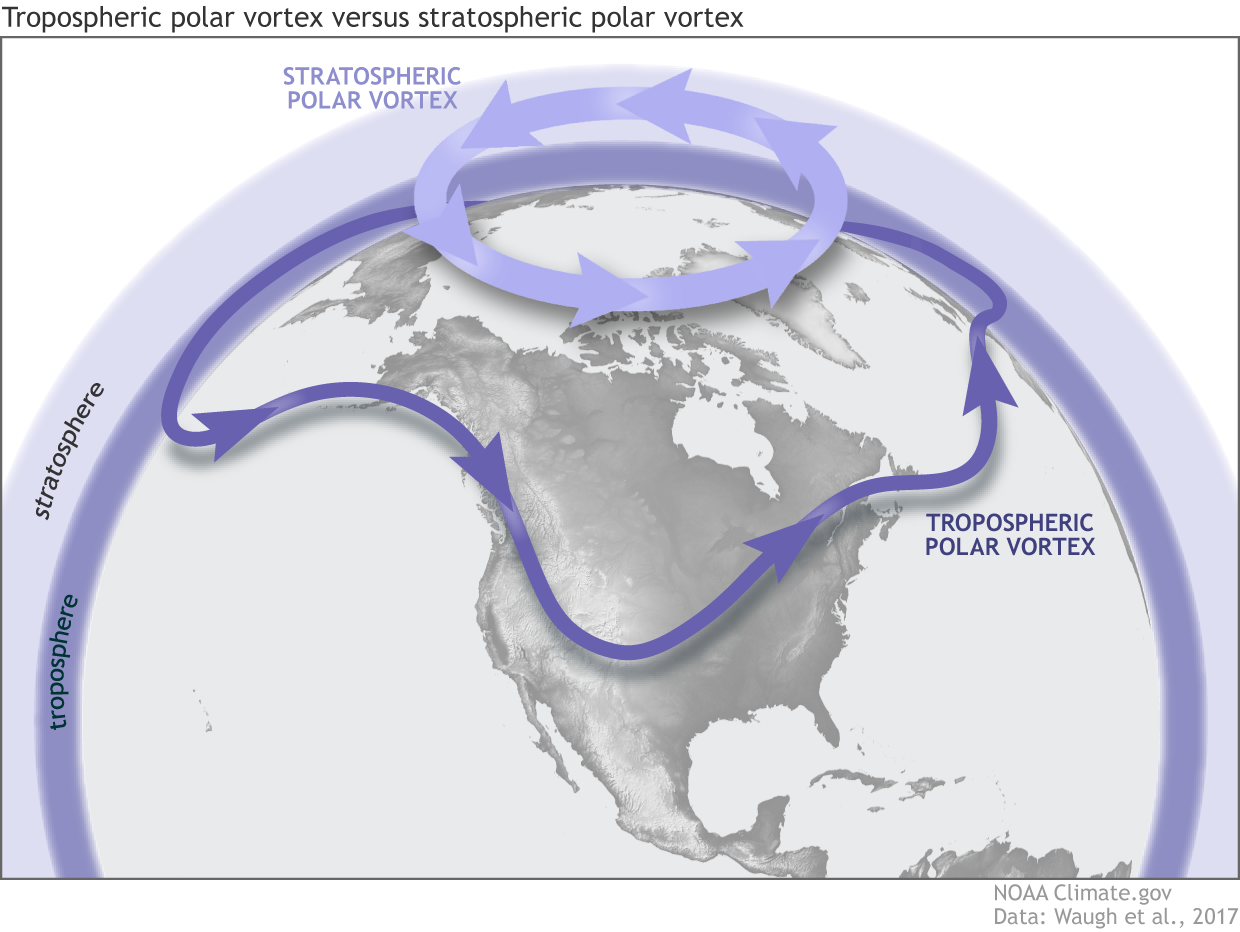
Introduction to Sudden Stratospheric Warming
Sudden stratospheric warming (SSW) is a significant meteorological phenomenon that occurs when there is a rapid increase in temperature in the stratosphere, particularly over the polar regions. Understanding SSW is crucial as it can have profound impacts on weather patterns across the Northern Hemisphere, influencing everything from temperature fluctuations to extreme weather events.
What Causes Sudden Stratospheric Warming?
SSW events are typically triggered by disturbances in the polar vortex, which is a large area of low pressure and cold air surrounding the Earth’s poles. When strong winds in the stratosphere reverse or weaken significantly, it creates conditions that lead to dramatic warming. In recent years, scientists have noted an increase in the frequency of SSW events, potentially linked to climate change and changes in sea temperatures.
Current Events and Recent Instances
This winter has seen significant discussions concerning SSW, particularly as scientists forecast potential events that might occur in the coming months. According to reports from the UK Met Office and Copernicus Climate Change Service, the occurrence of an SSW could lead to extreme cold spells and alterations in precipitation patterns across Europe and North America. The Met Office highlighted in their recent report that such events can disrupt average weather behaviours, potentially indicating a chillier winter ahead.
The Impacts of Sudden Stratospheric Warming
The effects of SSW are wide-ranging. Following an event, the polar vortex tends to weaken, which can lead to cold Arctic air spilling southwards into Europe and North America. This could result in prolonged periods of freezing temperatures and increased snowfall in some regions. Experts advise that understanding these impacts is vital for farmers, energy providers, and the general population, as they prepare for potential disruptions.
Forecasts and Significance
As researchers continue to study SSW events, forecasts based on these phenomena could become more accurate, allowing better preparation for the associated weather changes. The significance of understanding sudden stratospheric warming extends beyond immediate weather patterns; it calls attention to the complexity of climatic interactions and their ripple effects across continents. As SSW becomes more frequent, both scientists and the public must be aware of its implications for global weather patterns and climate resilience strategies.