









Introduction
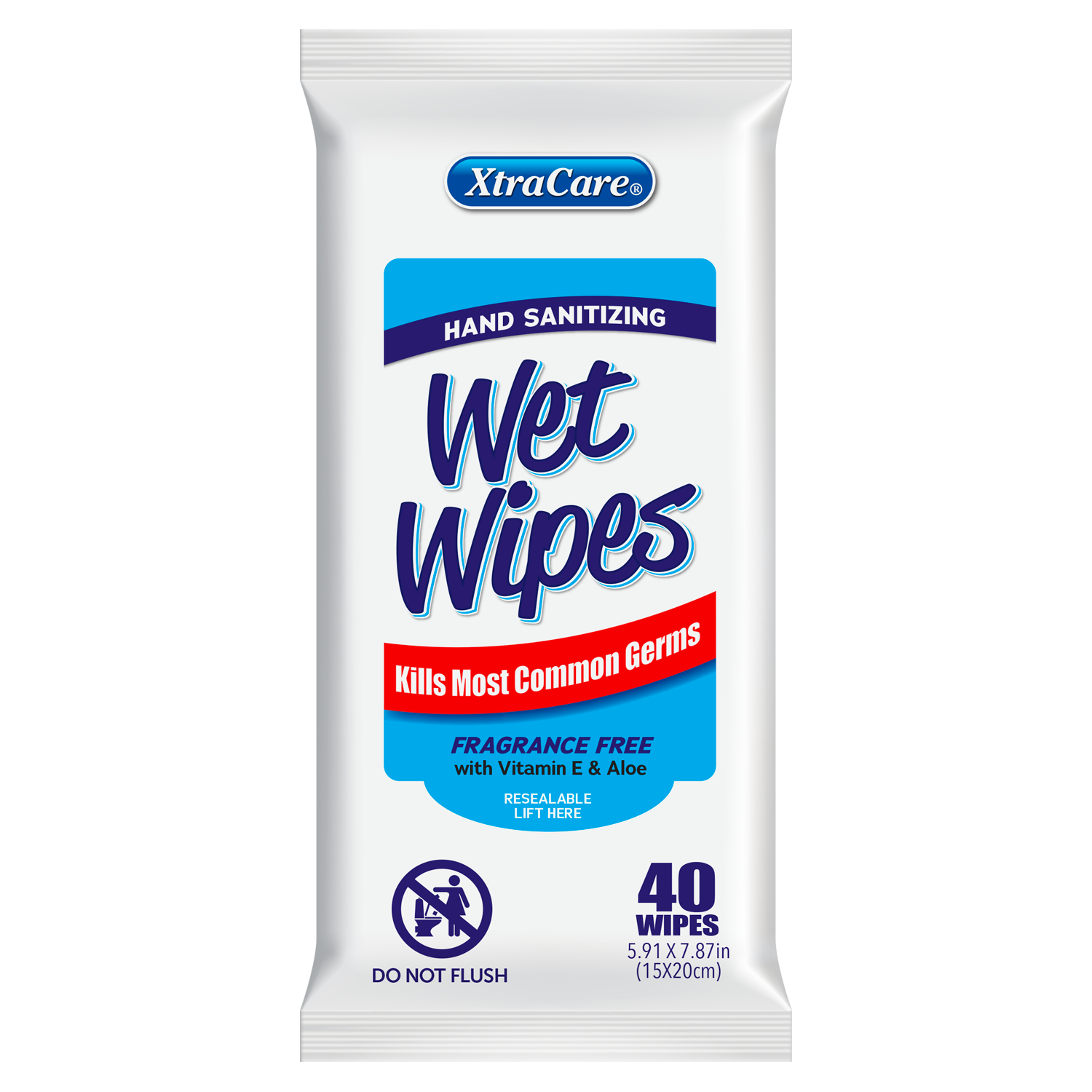
The increasing use of wet wipes has prompted serious warnings regarding their environmental impact. As an everyday product in many households, wet wipes are often deemed convenient. However, new studies and governmental advisories are shedding light on the damaging effects these products have on our waste management systems and the environment, making it imperative for consumers to stay informed.
The Extent of the Issue
Recent reports indicate that wet wipes, which are predominantly made from plastics and non-biodegradable materials, contribute significantly to ocean pollution. According to a study published by the Marine Conservation Society, the UK alone disposes of approximately 11 billion wet wipes annually. When flushed down toilets, these wipes can cause blockages in sewage systems and can lead to expensive repairs and maintenance.
Government Reactions
The UK government has begun to take action against the environmental threat posed by wet wipes. In July 2023, the Environmental Agency issued a warning urging consumers to dispose of wet wipes in general waste rather than flushing them down the toilet. This directive is part of a broader initiative aimed at reducing plastic pollution. With widespread support from environmental groups, officials are pushing for stricter regulations on manufacturers to develop biodegradable alternatives for wet wipes.
Consumer Awareness
Consumer awareness is growing about the detrimental effects of wet wipes. Various campaigns educate the public on the importance of proper disposal methods and encourage the use of alternatives, such as reusable cloths or eco-friendly products. Retailers are also responding to this shift in consumer demand, with many brands now focusing on sustainable hygiene products.
Conclusion
The warnings surrounding wet wipes are becoming increasingly significant as environmental concerns grow. It is crucial for consumers to be responsible and mindful of their choices, not only for immediate convenience but for the long-term health of our planet. As more information becomes available, it is expected that the emphasis on sustainability will only increase, leading to a reduction in the improper disposal of wet wipes and an increased push for greener alternatives. Understanding the impact of our consumer habits is vital for fostering a healthier environment.