









Introduction: The Importance of Understanding Statins Side Effects
Statins are a widely prescribed class of medications aimed at lowering cholesterol levels and reducing the risk of heart disease. With millions of patients relying on these drugs, understanding their potential side effects is crucial for both healthcare providers and patients. Awareness of these side effects can contribute to better management of health and help individuals make informed choices about their treatment.
Main Body: Overview of Statins Side Effects
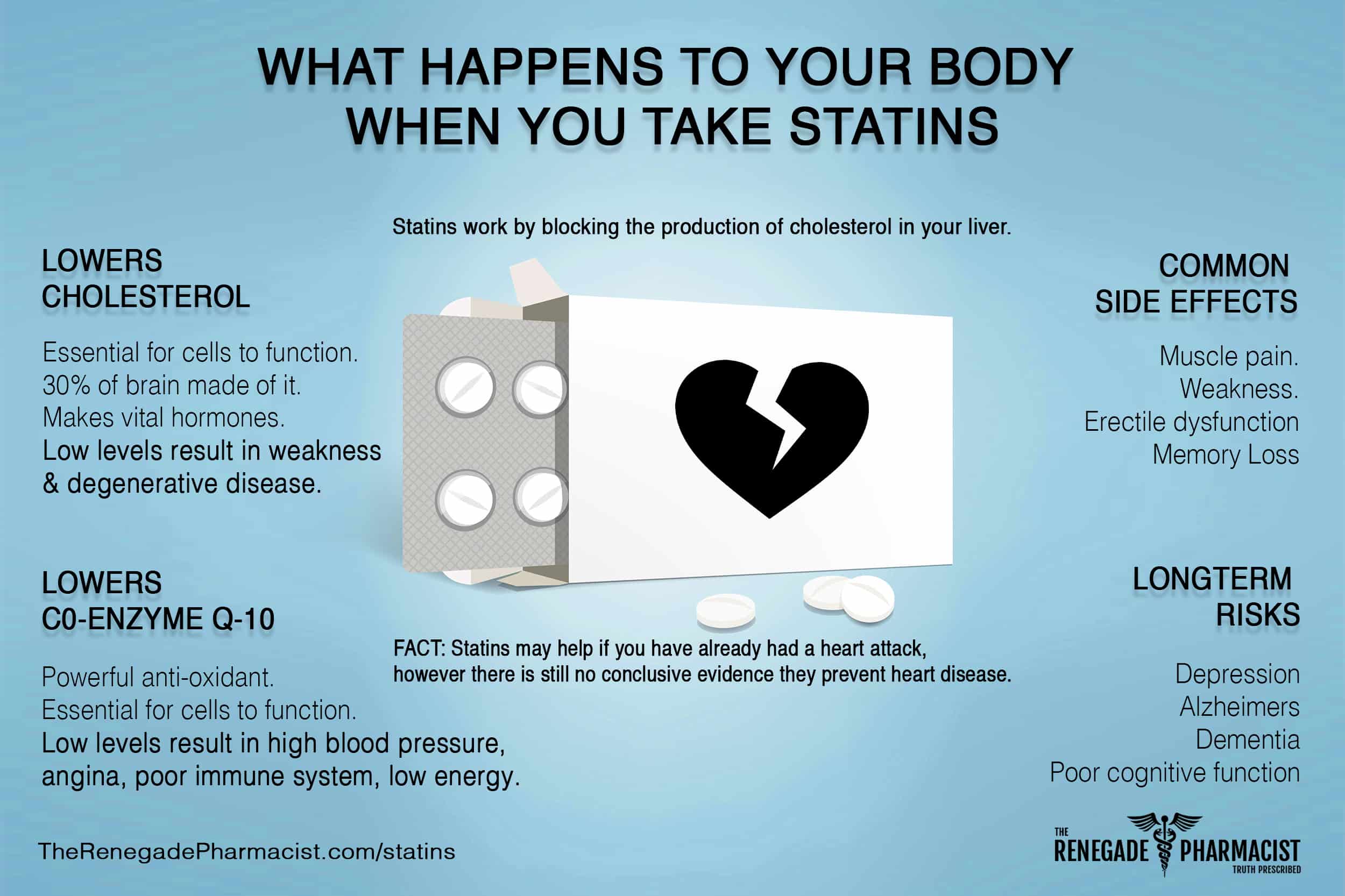
The common side effects associated with statins include muscle pain, fatigue, digestive problems, and liver enzyme elevations. Recent studies indicate that muscle-related symptoms affect around 10% of statin users, leading some patients to discontinue their medication. A 2023 research publication in the Journal of the American College of Cardiology highlighted that while the benefits of statins generally outweigh the risks, individual responses can vary considerably.
Some patients may experience gastrointestinal issues such as nausea, constipation, or diarrhoea, which can influence adherence to treatment plans. Additionally, there is a growing concern regarding the potential link between statins and cognitive dysfunction, although studies have produced mixed results. The risk of diabetes is also slightly elevated in some individuals taking statins, underscoring the need for personalized treatment approaches.
Rare but serious side effects can include rhabdomyolysis, a severe muscle breakdown condition, and acute liver injury. These adverse events are exceedingly rare, affecting less than 0.1% of patients, yet it is important for healthcare providers to be aware of these risks and monitor patients closely throughout their treatment.
Conclusion: Significance and Future Considerations
Statins play a critical role in cardiovascular health, yet awareness of their side effects remains essential. For patients, understanding the potential risks can lead to better communication with healthcare providers and more tailored treatment plans. Ongoing research will continue to refine our knowledge and understanding of statin safety and efficacy. With healthcare professionals remaining vigilant and informed, patients can achieve optimal outcomes while managing their cholesterol levels.