









What is the Polar Vortex?
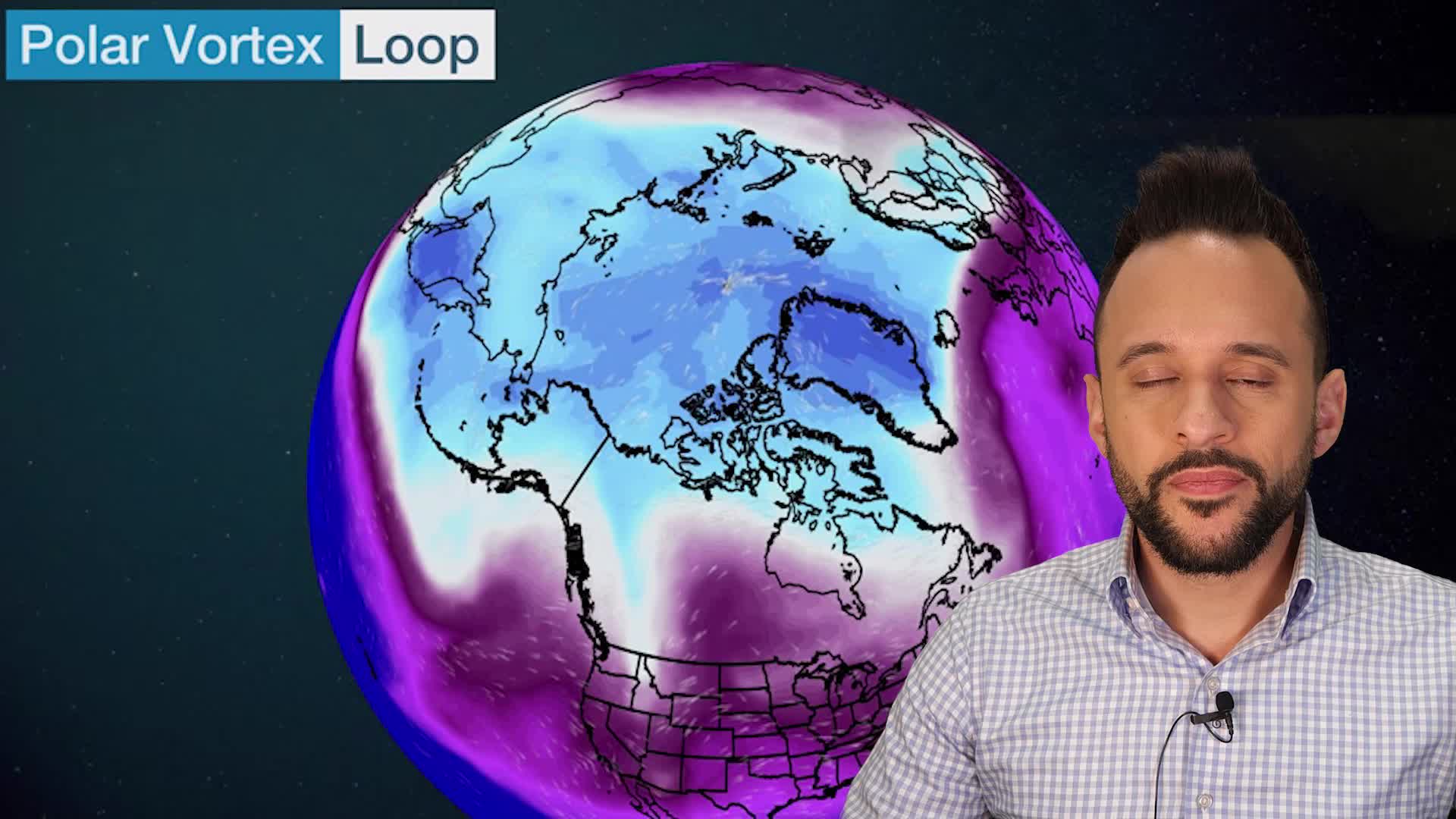
The polar vortex is a large area of low pressure and cold air surrounding both of the Earth’s poles. During winter months, this phenomenon can significantly influence weather patterns across the Northern Hemisphere. Understanding the behavior of the polar vortex is crucial, especially as climate change continues to affect seasonal weather extremes.
Current Weather Forecast
As of November 2023, meteorologists are observing notable fluctuations in the polar vortex, which could lead to severe winter weather across parts of North America and Europe. The forecast indicates that shifts in the polar vortex may lead to increased chances of colder temperatures and heavy snowfall, particularly in the Midwest and Northeast regions of the United States. In Europe, the UK and Scandinavia may also experience a blast of arctic air, resulting in below-average temperatures and potentially significant precipitation.
The Impact of a Displaced Polar Vortex
A weak or displaced polar vortex can push cold air southward, affecting regions that typically experience milder winters. For instance, areas such as the Northeast may see a surge of cold Arctic air, drastically altering local temperatures and resulting in snowfall. This displacement can also create what is known as “blocking patterns,” where high-pressure systems can trap cold air in certain areas, leading to prolonged cold spells. Recent studies suggest that the frequency of polar vortex disruptions may increase due to climate change, which can result in more volatile winter weather.
What to Expect This Winter
As we approach winter, residents across affected regions should prepare for possible temperature drops and substantial snow events. It is advisable to stay updated through reliable weather sources and government advisories. Experts recommend homeowners to ensure that heating systems are functional and adequate supplies of food and essentials are on hand, especially if severe weather is forecast.
Conclusion
In summary, the polar vortex weather forecast is a vital aspect of understanding winter weather patterns. As current conditions suggest, a potentially disruptive polar vortex can lead to significant climatic events this winter. Awareness of these patterns can help individuals and communities prepare better for the challenges that follow. Continuous monitoring and studies are essential for effectively forecasting and managing the impacts of polar vortex swings on a global scale.