









Introduction
Matcha, a powdered form of green tea, has gained significant attention in recent years, largely due to its health benefits and versatility in culinary applications. Unlike traditional green tea, which is steeped in water, matcha involves consuming the whole leaf, leading to a more concentrated intake of nutrients and antioxidants. As health-conscious consumers seek natural alternatives to boost their diets, matcha has emerged as an essential ingredient in various products and recipes.
Health Benefits of Matcha
The health advantages of matcha are impressive. Rich in antioxidants, particularly catechins, it is believed to help reduce inflammation and lower the risk of chronic diseases. One of the most notable compounds in matcha is EGCG (epigallocatechin gallate), which has been linked to improved brain function, fat loss, and even cancer prevention.
Moreover, matcha contains a moderate amount of caffeine, providing an energy boost without the jittery side effects associated with coffee. This, combined with L-theanine—a calming amino acid found in tea—which promotes a sense of relaxation, makes matcha an appealing choice for those aiming to increase mental clarity and focus.
Current Trends and Innovations
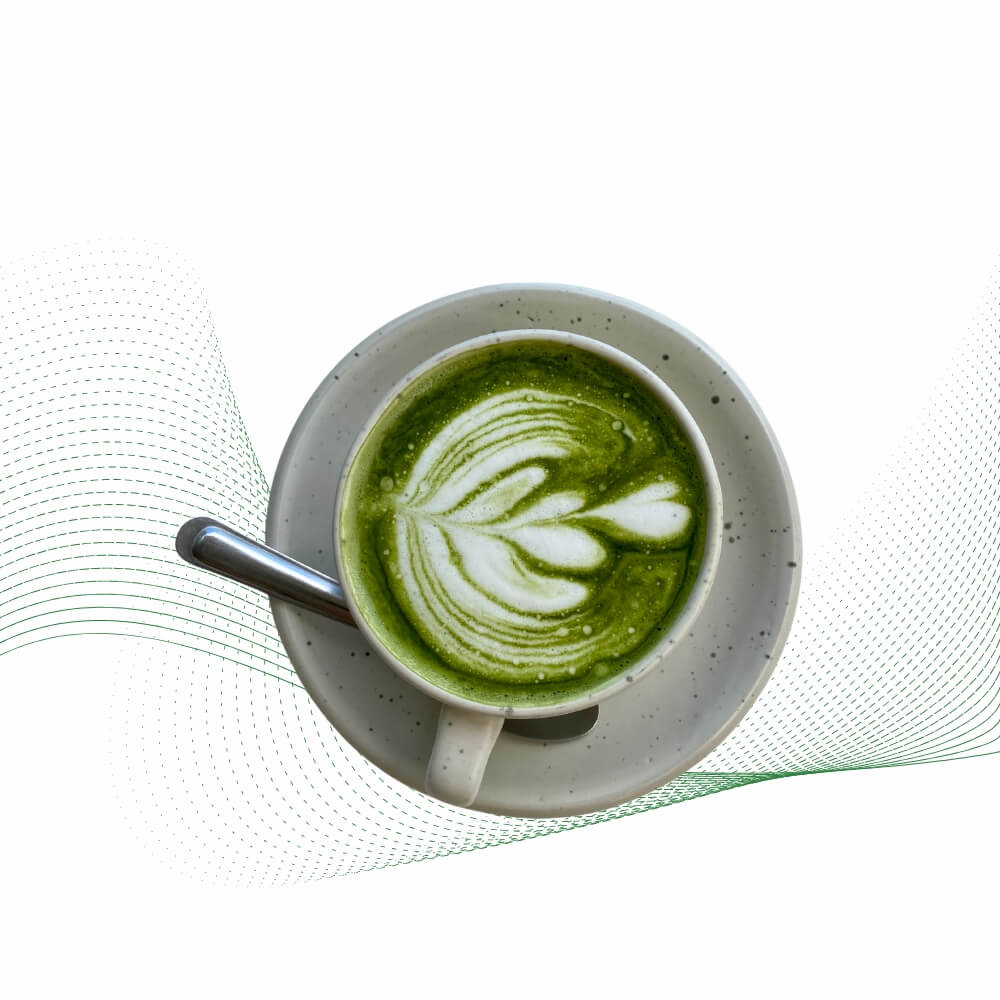
The surge in matcha’s popularity has led to various innovative applications. Once exclusively found in traditional tea ceremonies, matcha can now be enjoyed in lattes, smoothies, and even desserts like cakes and ice creams. This adaptability has contributed to its rise in cafes and restaurants, where it is featured prominently on menus.
Moreover, the health and wellness industry has embraced matcha, incorporating it into supplements and beauty products. Matcha-infused skincare items are touted for their potential to combat free radicals and promote a healthy complexion. Social media platforms, particularly Instagram and TikTok, have played a pivotal role in making matcha a fashionable item, with influencers sharing recipes and promoting its benefits.
Challenges and Sustainability
Despite its booming popularity, the matcha industry faces challenges, especially regarding sustainability and quality. The majority of matcha is sourced from Japan, where traditional farming practices are essential for maintaining quality. However, increased demand raises concerns about sourcing ethics and environmental impacts. Consumers are advised to seek reputable brands that prioritize sustainable farming practices and support local producers.
Conclusion
Matcha’s rise is not just a passing trend; it represents a shift in dietary preferences towards healthier and more mindful choices. With a growing body of research supporting its health benefits and diverse applications in food and wellness products, matcha’s future appears bright. As consumers become more aware of their health and the origins of their food, matcha is likely to maintain its status as a sought-after ingredient in the years to come.