









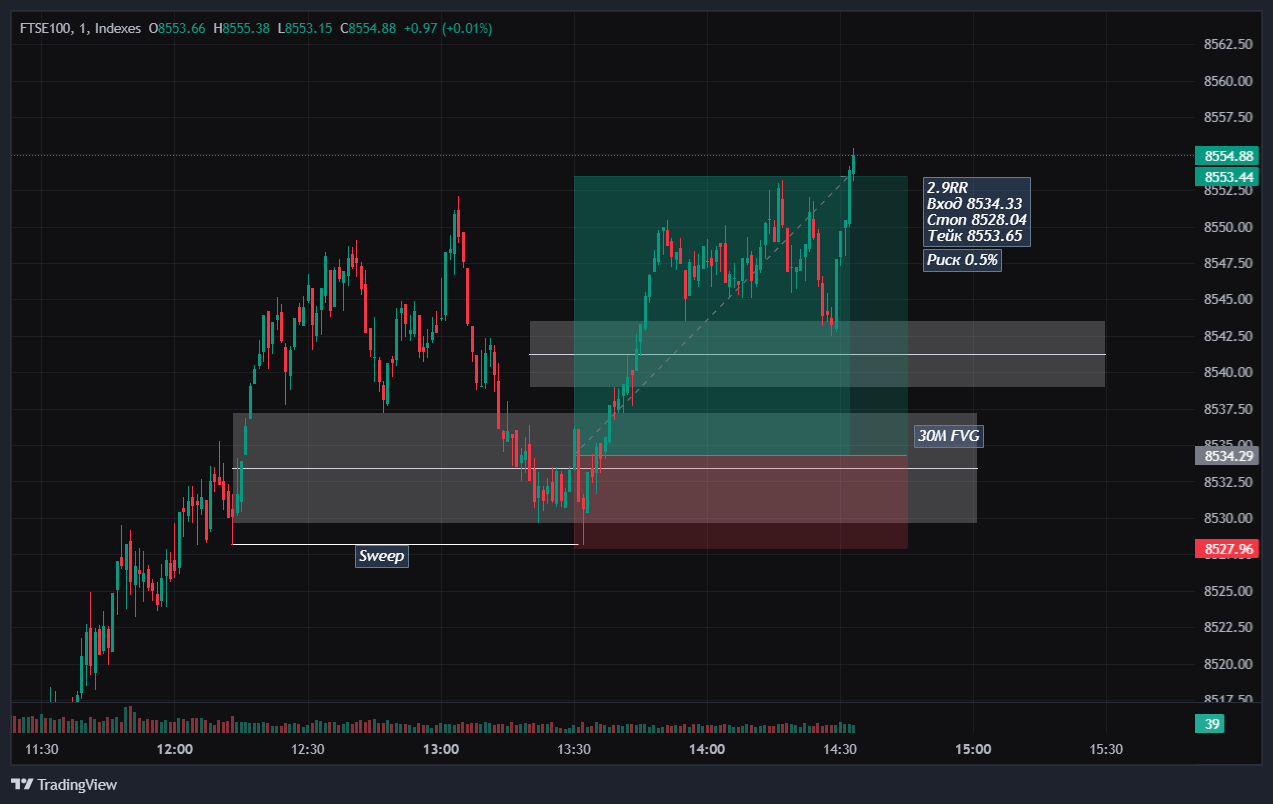
Introduction to the FTSE 100
The FTSE 100, known as the Financial Times Stock Exchange 100 Index, is an essential measure of the performance of the 100 largest companies listed on the London Stock Exchange (LSE) by market capitalisation. This index serves as a barometer for the health of the UK economy and is closely watched by investors, policymakers, and analysts alike. Understanding the FTSE 100’s movements is crucial for anyone interested in the financial markets or the broader economic landscape of the United Kingdom.
Recent Trends and Developments
As of October 2023, the FTSE 100 has exhibited surprising resilience amidst global economic uncertainties. Following various interest rate hikes by the Bank of England aimed at curbing inflation, analysts predicted significant volatility. However, the index has recently recorded gains, reflecting strong performances from key sectors like energy, commodities, and consumer goods. Companies such as BP, Shell, and Unilever have buoyed the index, contributing to an impressive recovery from earlier downturns.
A recent report from the London Stock Exchange indicated that the FTSE 100 rose by approximately 6% in the last quarter, signalling renewed investor confidence. This increase can be attributed to stabilising energy prices and a lower-than-expected inflation rate in the UK, which has prompted optimism about economic growth. Furthermore, encouraging corporate earnings have played a pivotal role in this rebound, providing a significant boost to stock valuations.
Importance and Implications
The FTSE 100 is not just significant for investors; it also holds relevance for the UK’s economic outlook. A robust performance in the index often correlates with increased consumer confidence and spending, leading to overall economic growth. Policymakers often utilise the FTSE 100 as a reference point when evaluating the effectiveness of economic strategies and responding to financial crises.
For the average investor, the index provides insight into both market trends and potential investment opportunities. A well-performing FTSE 100 can be indicative of a stable investment climate, attracting foreign investors seeking stability amidst global market fluctuations.
Conclusion
In summary, the FTSE 100 remains a central pillar of the UK’s financial landscape. As it continues to reflect both the challenges and successes of the British economy, stakeholders must keep a watchful eye on its movements. The current upward trend may offer a glimpse of a more resilient economic future, although uncertainties remain. For investors, understanding what drives the FTSE 100’s performance will be essential in navigating the evolving economic environment.