









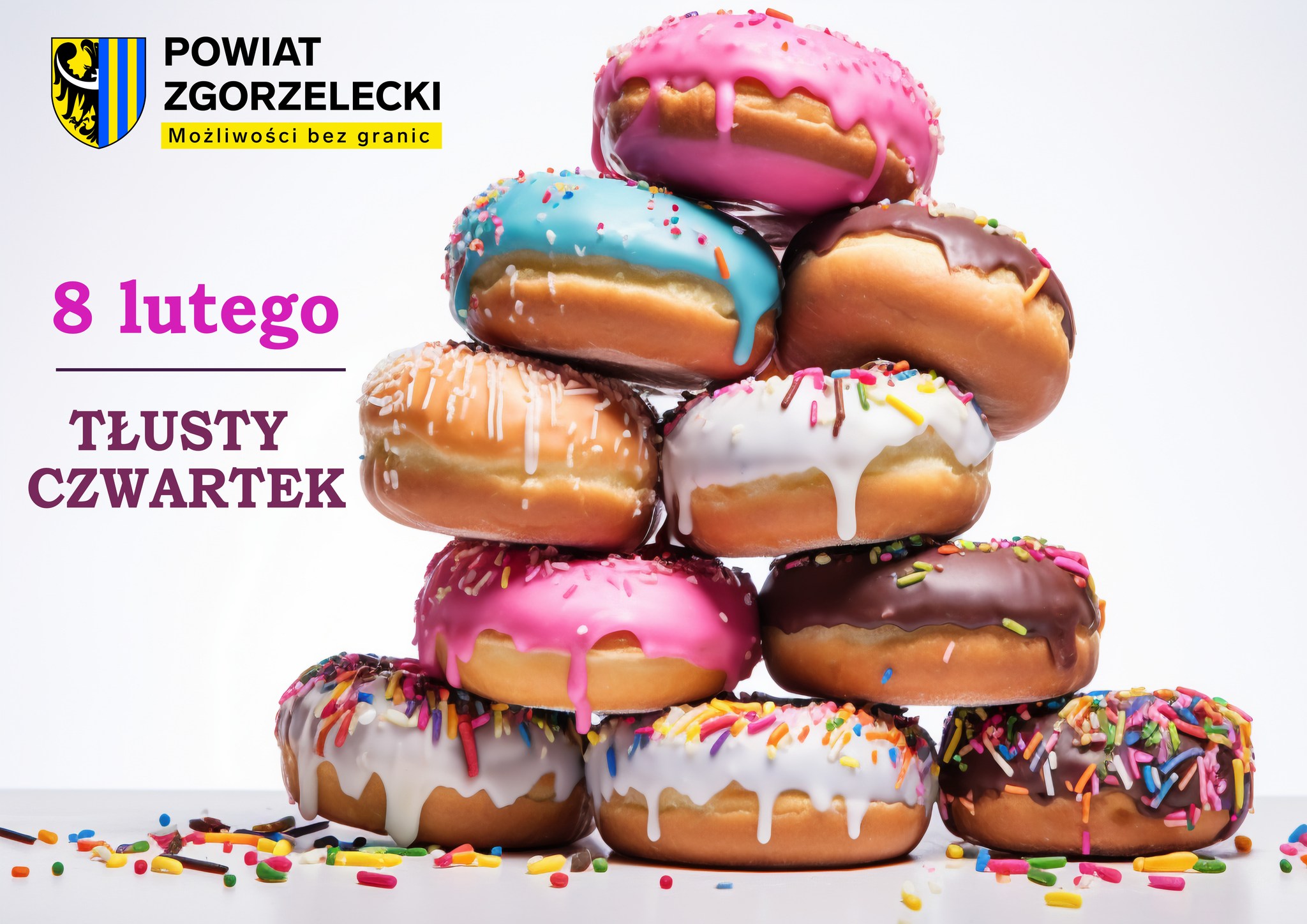
Introduction to Tłusty Czwartek
Tłusty Czwartek, or Fat Thursday, is an important culinary tradition in Poland, celebrated on the last Thursday before Ash Wednesday. This event marks the beginning of Lent, a time of fasting in the Christian calendar. The significance of Tłusty Czwartek lies in its celebration of abundance and indulgence, allowing people to enjoy various sweet treats before the austere period of Lent begins.
Historical Background
The origins of Tłusty Czwartek can be traced back to the old Polish customs where people prepared and consumed rich foods in anticipation of Lent. The day has evolved into a nationwide festivity known for its delicious offerings, primarily the iconic pączki—deep-fried doughnuts filled with sweet fillings such as rose jam, custard, or fruit preserves. In 2026, the celebration is likely to attract attention not just for the food but also for the vibrant cultural events associated with it.
Celebrations in 2026
In 2026, Tłusty Czwartek will be celebrated on February 12. Polish bakeries and homes will be bustling with activity as people prepare for the day. Traditional pączki will be in high demand, leading bakeries to create a wide variety of flavours—from classic, filled doughnuts to modern twists incorporating popular ingredients like caramel or chocolate. Additionally, the celebration will likely feature local festivals, neighbourhood gatherings, and events showcasing Polish culture, music, and dance, making it a lively occasion for all ages.
Cultural Significance
Beyond its culinary delights, Tłusty Czwartek also serves as a reflection of Polish culture, with communities coming together to enjoy good food and fellowship. Many historians believe that the festival fosters social bonds, as families and friends share doughnuts and celebrate together. In larger cities, special events are expected to include street fairs and charity initiatives, where proceeds from food sales may support local causes.
Conclusion: Looking Ahead to Tłusty Czwartek 2026
Tłusty Czwartek 2026 promises to be a remarkable celebration of heritage and gastronomical pleasures. As communities prepare to indulge in countless pączki, the event will continue to cherish the spirit of togetherness, culinary enjoyment, and cultural pride. For those wanting to participate, it’s an opportunity to not only taste delicious treats but also to connect with Polish traditions and celebrate a cherished custom that has thrived through generations.