









Introduction
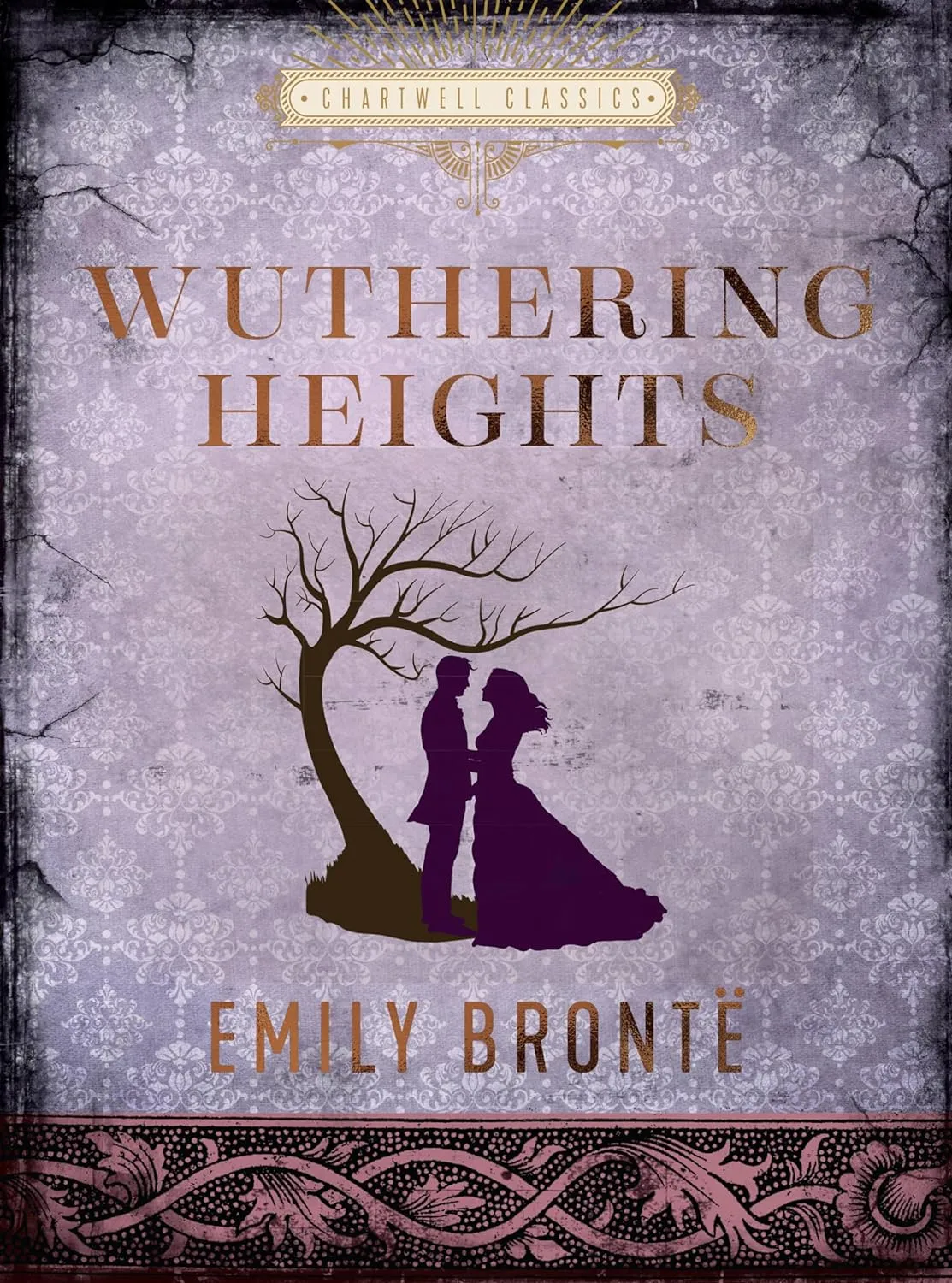
Wuthering Heights, written by Emily Brontë and first published in 1847, is a novel that continues to resonate with readers around the globe. Its rich themes of love, revenge, and the complexities of human relationships, set against the dramatic backdrop of the Yorkshire moors, have cemented its status as a literary masterpiece. As we discuss its significance and recent interest in adaptations and analyses, it is crucial to understand why this novel remains relevant in contemporary society.
The Allure of Wuthering Heights
The narrative revolves around the tumultuous relationship between Heathcliff and Catherine Earnshaw, depicting the intense emotions and the destructive forces of love and obsession. Readers are drawn into a world that challenges traditional notions of romance, making Wuthering Heights a unique study of the darker aspects of passion. Critics have often praised its innovative structure and the use of multiple narrators, which allow for a complex storytelling approach that invites diverse interpretations.
Recent Adaptations and Cultural Impact
In recent years, interest in Wuthering Heights has surged, thanks in part to successful stage adaptations and film interpretations. Classic adaptations continue to attract attention, but modern interpretations have also played a significant role in rekindling interest. For example, the 2011 film adaptation received praise for its haunting visuals and strong performances, aiming to capture the raw emotional intensity of Brontë’s writing. Additionally, various theatrical productions have sought to reinterpret the story through contemporary lenses, highlighting its timeless themes.
Social and Psychological Themes
Beyond the tragedy and romance, Wuthering Heights serves as an exploration of social class, isolation, and the nature of evil. Heathcliff’s character encapsulates concepts of the outsider and the tortured soul, making it relevant in discussions regarding mental health and societal expectations. Recent literary criticism has delved deeper into these dynamics, allowing for modern readers to connect more intimately with the characters and their struggles.
Conclusion
The legacy of Wuthering Heights endures as a poignant reflection on love and revenge. As audiences continue to engage with the text through various forms of media, Emily Brontë’s novel remains a vital piece of literary heritage. Its themes not only hold relevance today, but they also evoke a sense of emotional depth that transcends time. As adaptations continue to emerge, there is no doubt that Wuthering Heights will remain a focal point in discussions surrounding literature and human experience, ensuring its place in cultural dialogue for generations to come.