









Introduction
Sun solar flares are sudden bursts of energy on the surface of the sun that can have profound effects on space weather and Earth’s atmosphere. Understanding solar flares is crucial for scientists and the general public alike, as they can influence satellite operations, communication systems, and power grids. Recent events highlight the increasing importance of monitoring solar activity as the sun enters a more active cycle.
What Are Solar Flares?
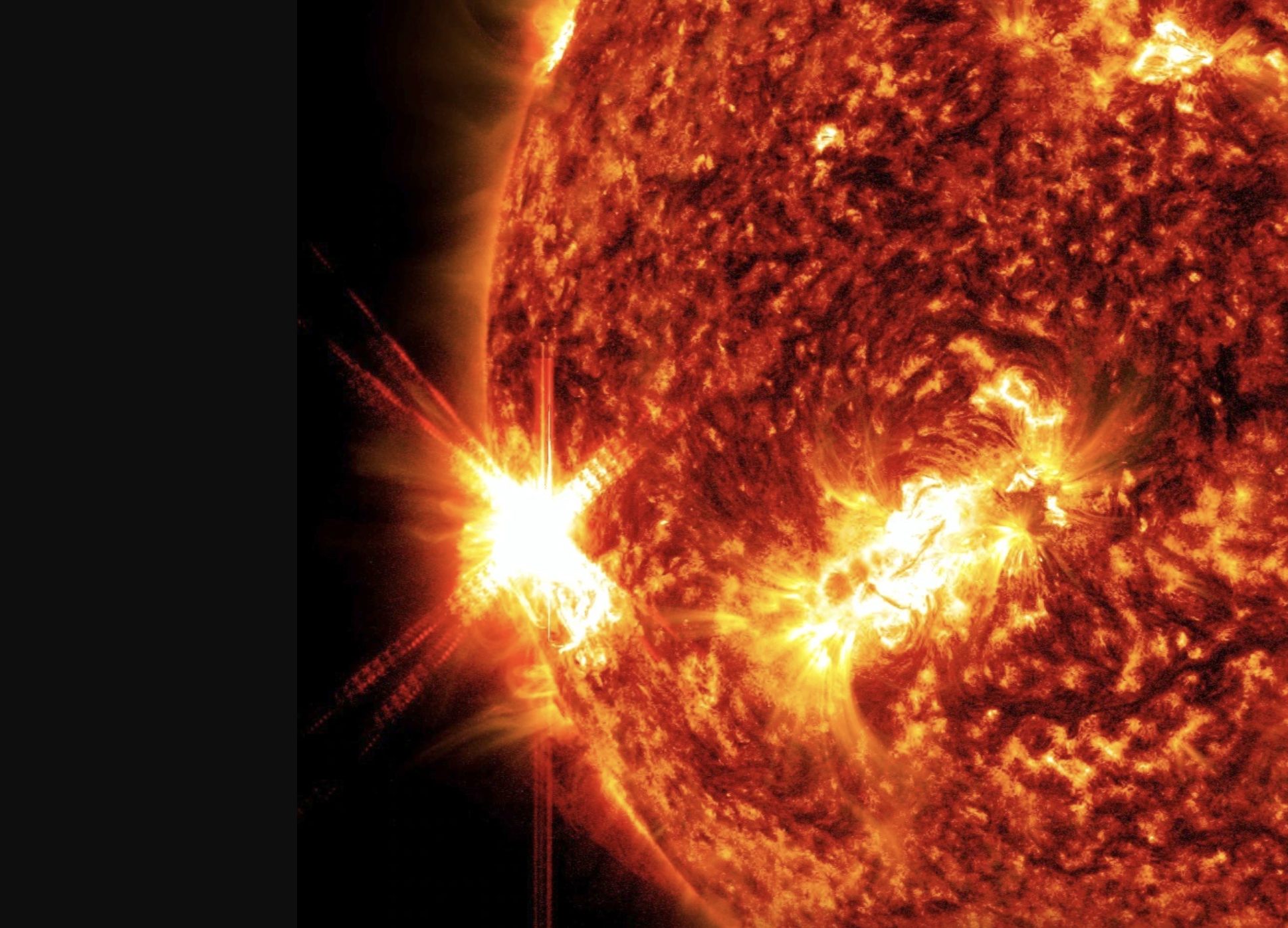
Solar flares are intense bursts of radiation resulting from magnetic energy being released in the sun’s atmosphere. This process occurs when magnetic field lines near sunspots reconnect and release a massive amount of energy. Solar flares are classified based on their X-ray brightness into categories A, B, C, M, and X, with X-class flares being the most powerful.
Recent Solar Activity
In recent months, the sun has experienced a surge in solar activity as it approaches the peak of the 11-year solar cycle. Notably, an X1.0 class solar flare erupted on October 3, 2023. This event was recorded by the National Oceanic and Atmospheric Administration (NOAA) and caused temporary radio blackouts in areas of the Pacific region, highlighting the potential impact of solar flares on communications and technology.
The Effects of Solar Flares on Earth
When solar flares occur, they can send charged particles hurtling toward Earth. This can lead to geomagnetic storms that affect technology on Earth. For example, solar flares can disrupt GPS navigation, telecommunications, and even power supplies. Furthermore, increased solar activity can lead to stunning auroras (Northern and Southern Lights) as charged particles interact with the Earth’s magnetic field.
Importance of Monitoring Solar Activity
Given the potential impact of solar flares on modern technology, tracking solar activity has never been more critical. Research organizations such as NASA and NOAA utilize advanced telescopes and satellites to monitor the sun’s behavior to provide timely warnings of solar events. These efforts are essential not only for protecting technology but also for ensuring the safety of astronauts in space.
Conclusion
As we move further into an active solar cycle, understanding sun solar flares and their potential effects is crucial for mitigating risks to technology and communications on Earth. Continuous monitoring and research will aid in preparing for future solar events, safeguarding our reliance on technology in an increasingly interconnected world. In essence, knowledge of solar flares not only enhances our understanding of space weather but also contributes to the stability of our technological infrastructure.