








The Legacy of Brass Instruments
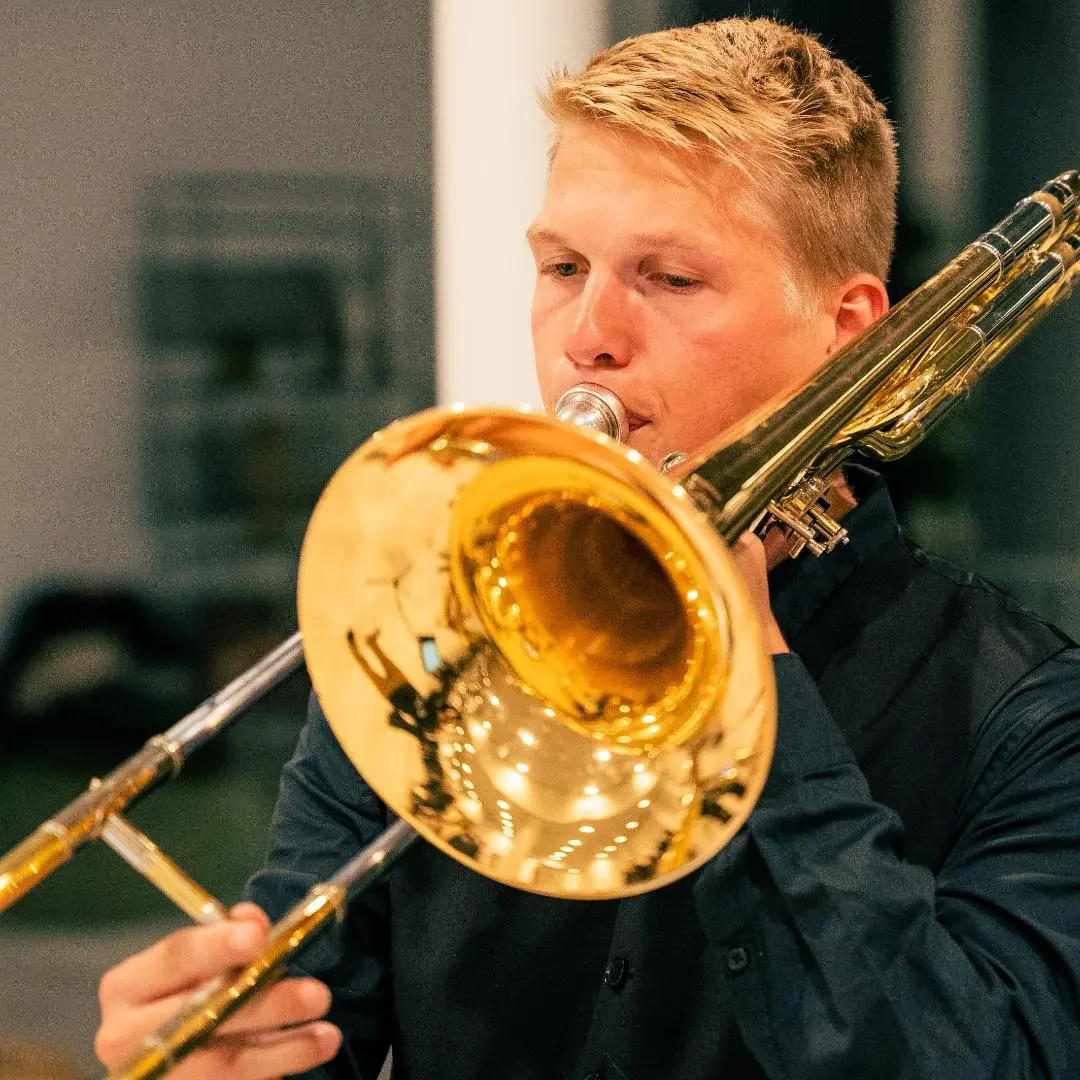
Brass instruments have a storied history that dates back thousands of years, playing a pivotal role in various musical cultures across the globe. From the ancient horns and trumpets used in ceremonial contexts to today’s sophisticated orchestral and jazz instruments, brass has remained a vital segment of the musical landscape. The significance of these instruments can be seen in their diversity, which includes trumpets, trombones, tubas, and French horns, each contributing its unique timbre to ensembles and solo performances alike.
Modern Usage of Brass Instruments
In contemporary music, brass instruments are not only prominent in classical orchestras but have also found a strong presence in jazz bands, marching bands, and popular music. Their powerful sound and distinctive character bring vibrancy to any musical arrangement. For example, the trumpet’s versatility allows it to soar above complex harmonies, making it an essential component in both jazz improvisation and classical performances. Moreover, composers actively employ brass instruments to evoke emotion and depth, particularly in film scoring.
Educational Importance and Community Involvement
The educational value of learning brass instruments is also noteworthy. Many schools include brass instruments in their music curricula, encouraging students to engage with music from a young age. Programs aimed at increasing access to brass education often lead to enhanced creativity and teamwork skills among young musicians. Additionally, community bands and orchestras rely heavily on brass players, fostering a sense of belonging and collaboration within local musical communities.
Challenges and Innovations
Despite their many strengths, brass instruments face challenges such as maintenance and accessibility. The costs associated with quality brass instruments can pose a barrier for some aspiring musicians. However, innovations in instrument manufacturing and the availability of affordable options are helping to address these issues, as companies introduce new materials and designs that cater to a wider audience.
Conclusion
Brass instruments undoubtedly hold an essential place in the music world, bridging the gap between historical traditions and modern sounds. As we look to the future, the ongoing evolution of brass music, coupled with increasing educational initiatives, ensures that these instruments will continue to inspire and influence generations of musicians. For readers interested in exploring or re-engaging with music, learning a brass instrument might be an enriching journey that connects them to this vibrant history.