









Introduction
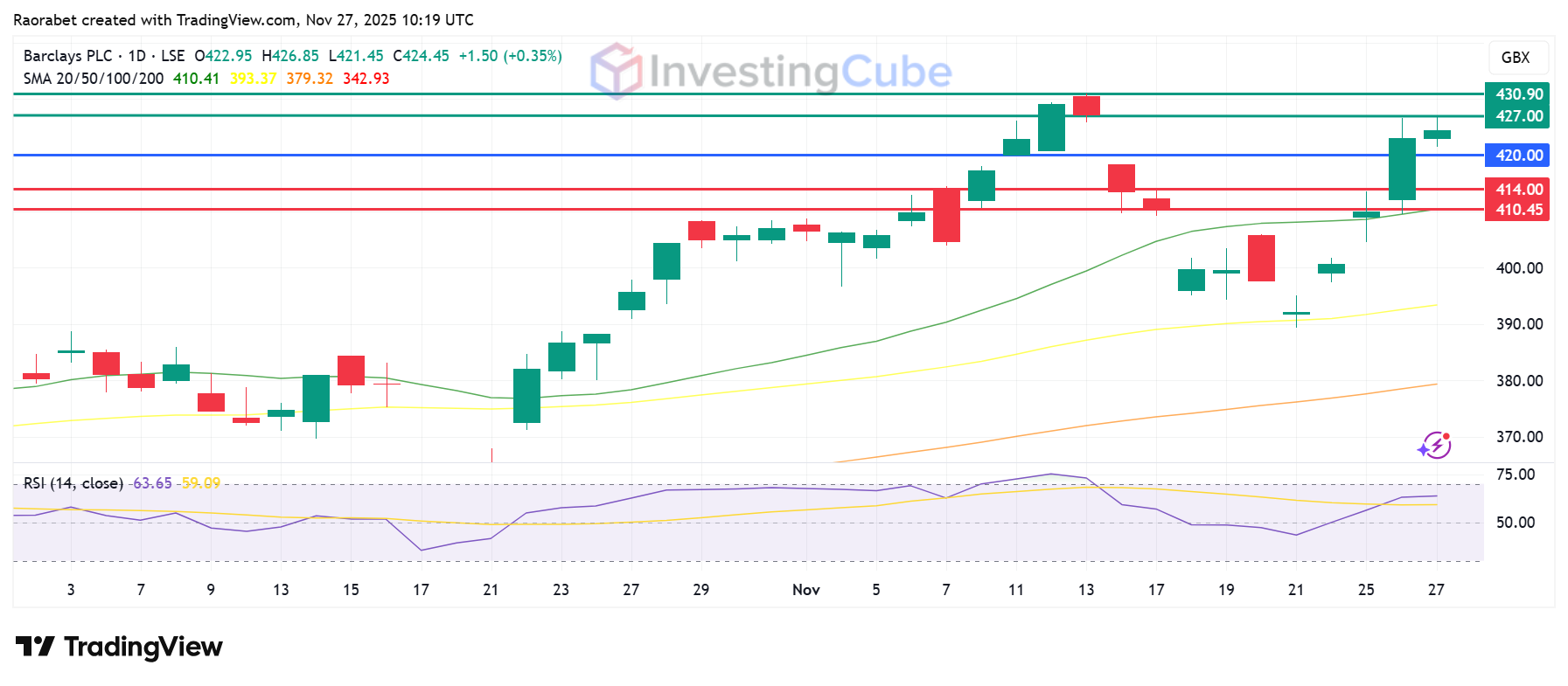
The share price of Barclays has garnered considerable attention in recent months as investors closely watch banking sector trends amidst global economic fluctuations. Understanding the dynamics behind Barclays’ share price is essential for both current shareholders and potential investors looking to navigate the evolving market landscape.
Recent Performance
As of October 2023, Barclays shares have exhibited a degree of volatility attributed to various external factors, including changes in interest rates and monetary policy decisions by the Bank of England. Earlier this month, Barclays reported a share price of £1.90, reflecting a slight decline compared to the previous quarter.
Market analysts have pointed out that the ongoing geopolitical tensions, coupled with inflation concerns, have played a significant role in shaping investor sentiment. In recent trading sessions, Barclays’ share price experienced fluctuations between £1.85 and £1.95 as traders reacted to economic news.
Factors Influencing Share Price
Several key factors are instrumental in driving the fluctuations in Barclays’ share price:
- Economic Indicators: Recent economic data, such as unemployment rates and consumer spending, heavily influence market performance. Strong indicators typically boost bank shares, while weak data may depress them.
- Banking Sector Regulations: Regulatory changes, particularly those impacting capital ratios and compliance costs, can affect profitability and, subsequently, share valuation.
- Global Market Trends: As a major player in the international banking sector, Barclays’ share price is also affected by global market trends. Any significant movements in the FTSE 100 or international indices could lead to corresponding shifts in Barclays’ stock performance.
Future Outlook
Looking ahead, analysts suggest that Barclays share price may continue to face challenges as global markets react to ongoing macroeconomic trends. However, some analysts remain optimistic about the bank’s strategic initiatives aimed at enhancing customer service and digital banking capabilities, which could provide a long-term boost to the share price.
Investor sentiment remains cautiously optimistic, with many analysts recommending a ‘hold’ position for the time being while keeping a close eye on market developments. Active monitoring of economic reports and Barclays’ earnings releases will be crucial for stakeholders.
Conclusion
The Barclays share price remains a crucial topic for investors navigating the current complex economic climate. While short-term volatility is likely to persist, long-term prospects will depend on the bank’s ability to adapt to the evolving financial landscape. Stakeholders should stay informed and consider all available data when making investment decisions regarding Barclays shares.