









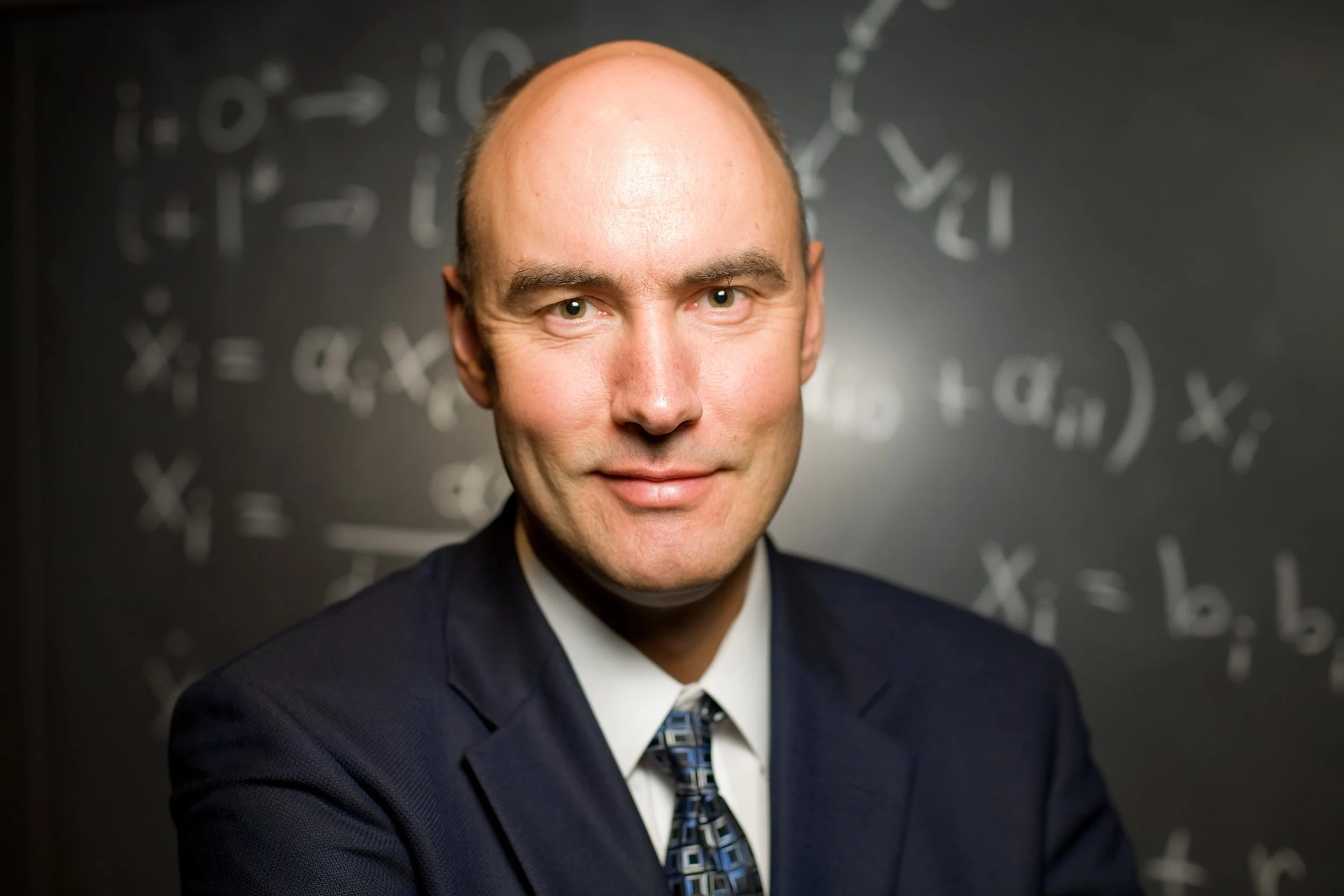
Introduction to Martin Nowak
Martin Nowak is a prominent figure in the field of evolutionary biology, known for his pioneering research in mathematical biology and the dynamics of cooperation. His work intersects various disciplines, including biology, mathematics, and theoretical physics, making his contributions particularly relevant in today’s discussions on evolutionary theory and human behaviour.
Research and Contributions
Nowak’s research has focused on understanding the mechanisms behind cooperation and conflict in evolutionary settings. One of his key contributions is the development of mathematical models that explain how cooperation can emerge and persist among individuals, despite natural selection often favouring selfish behavior. These models provide insights into the evolution of altruism and have implications for understanding social behaviours in both human and animal societies.
In 2006, Nowak published a groundbreaking paper in the journal Nature regarding the “Evolution of Cooperation”. His work has led to the formulation of important concepts such as the ‘snowdrift game’, which illustrates the strategic interactions between cooperators and defectors. Additionally, he has explored the evolution of language and the role of communication in forming cooperative ties.
Nowak’s research transcends theoretical biology; it has practical applications in various fields, including economics, cancer research, and social sciences. By employing evolutionary principles, researchers can better understand the dynamics of social networks, market behaviour, and even disease transmission.
Recent Developments and Future Outlook
Most recently, Nowak has been involved in addressing contemporary challenges through his work on the COVID-19 pandemic. He has collaborated with epidemiologists to model the spread of the virus and assess the impact of different interventions. His approach emphasizes the importance of cooperation in public health responses, highlighting how collective action can mitigate the spread of infectious diseases.
As a professor at Harvard University and co-director of the Program for Evolutionary Dynamics, Nowak continues to inspire a new generation of scientists. His work has garnered recognition and awards, shaping the direction of evolutionary biology research.
Conclusion
Martin Nowak’s contributions to evolutionary biology extend far beyond traditional boundaries, invigorating the dialogue around cooperation, altruism, and societal behaviours. As the study of evolution continues to evolve, Nowak’s pioneering research promises to provide valuable insights into not only our past but also pathways for addressing global challenges in the future. The significance of his work lies in its ability to connect various fields, offering a holistic view of evolution and its relevance to contemporary society.