









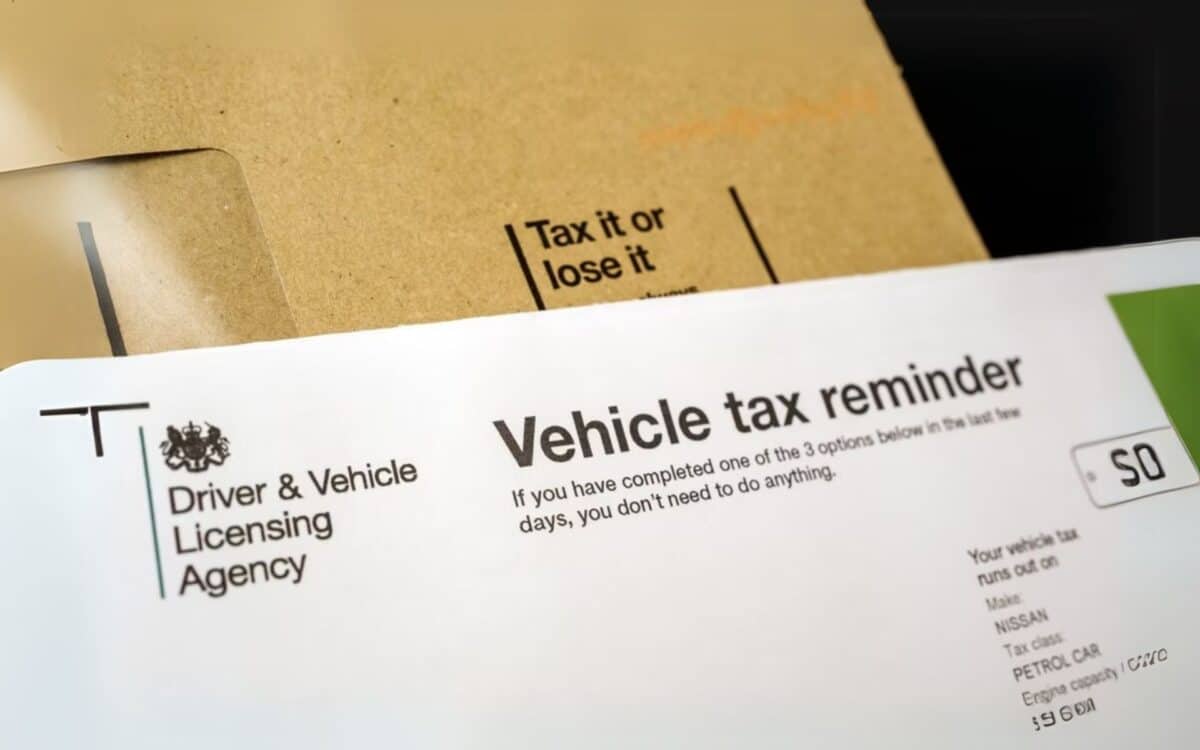
The Importance of High Car Tax Vehicles
As environmental concerns grow, governments worldwide are implementing policies to discourage the use of high-emission vehicles. In the UK, high car tax vehicles are becoming a significant topic of discussion among drivers and policymakers alike. Understanding the implications of these vehicles is crucial for anyone considering a new purchase, as it directly affects financial commitments and environmental impact.
What Constitutes a High Car Tax Vehicle?
High car tax vehicles are typically defined by their CO2 emissions, which determine the amount of Vehicle Excise Duty (VED) one must pay. In the UK, cars classified as having high emissions can incur substantial annual taxes, significantly increasing the total cost of owning a vehicle. As of April 2023, vehicles emitting more than 225 grams of CO2 per kilometre fall into the highest tax bracket, leading to charges of up to £2,604 annually. These figures are subject to yearly adjustments based on inflation and government policy changes.
Recent Developments and Trends
Recently, the UK government has made strides to promote electric vehicles (EVs) to combat climate change. The introduction of low-emission zones and increased taxation on high car tax vehicles is part of a broader strategy to encourage UK citizens to switch to more environmentally friendly transport options. In 2023, the government reported a significant increase in electric vehicle registrations, indicating a shifting trend as more drivers seek to avoid the financial penalties associated with high car tax vehicles.
The Financial Implications for Drivers
For potential car buyers, the financial implications of choosing a vehicle with high emissions are profound. The additional costs for high car tax vehicles can deter many drivers from purchasing certain models, particularly luxury vehicles that often fall into this category. Many consumers are now opting for hybrids or fully electric cars, drawn by lower tax rates, and government incentives. The UK government has set a target to ban the sale of petrol and diesel cars by 2030, further influencing consumer behaviour and market demands.
Conclusion: The Future of Vehicle Ownership
The trend toward high car tax vehicles is expected to continue as environmental awareness increases and more stringent regulations are implemented. Future forecasts suggest a further decrease in traditional combustion engine car purchases, leading to a significant shift in both the automotive market and consumer priorities. For drivers, understanding the implications of high car tax vehicles will be essential for making informed purchasing decisions in the rapidly changing landscape of vehicle ownership in the UK.