







Introduction
Eswatini, formerly known as Swaziland, is a landlocked kingdom in Southern Africa that boasts a rich cultural heritage and stunning natural landscapes. As one of the last absolute monarchies in the world, the country is significant not only for its unique governance but also for its vibrant traditions and community-oriented lifestyle. Understanding Eswatini is pivotal for appreciating the broader cultural landscape of Africa.
Geography and Demographics
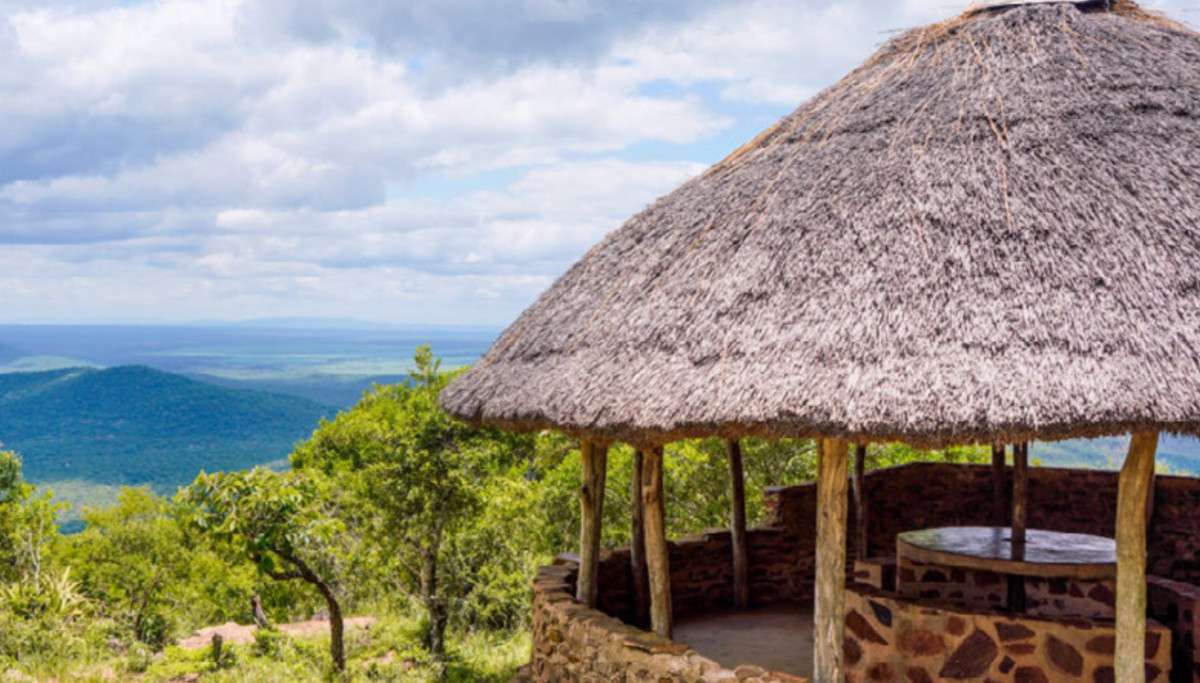
Eswatini covers an area of approximately 17,364 square kilometres and is bordered by South Africa and Mozambique. The nation is characterised by its diverse geography, ranging from mountainous regions to savannahs. According to the 2022 census, the population stands at about 1.2 million people, primarily comprising ethnic Swazi. This demographic is reflective of the kingdom’s rich history and cultural practices that continue to thrive today.
Culture and Tradition
Eswatini is renowned for its vibrant cultural festivals, including the Umhlanga Reed Dance and the Incwala ceremony, both crucial in showcasing the rich heritage and unity among its people. These events attract international tourists, providing an opportunity for visitors to witness age-old customs and partake in genuine local experiences. The Kingdom’s commitment to preserving its culture is evident in various art forms such as traditional music, dance, and craft-making.
Economy and Development
The economy of Eswatini is primarily based on agriculture, manufacturing, and services. Sugar production plays a significant role in the economy, alongside textile and wood processing industries. However, despite its progress, the nation faces challenges such as high unemployment rates and socio-economic disparities. Recent government initiatives focus on improving infrastructure, healthcare, and education to foster economic growth.
Challenges and Future Prospects
Eswatini experiences political and social challenges, including calls for reform towards democratic governance. The recent protests have highlighted the desires of the populace for greater political freedom and economic opportunities. Nonetheless, the spirit of resilience among the Swazi people and the government’s efforts to respond to these challenges bode well for the country’s future. Continued international support and engagement will be crucial as Eswatini navigates its path forward.
Conclusion
Eswatini, with its rich culture and heritage, presents a unique fusion of tradition and modernity. For those looking to explore Africa beyond the conventional tourist routes, Eswatini offers an unparalleled glimpse into the lives and traditions of the Swazi people. As the kingdom continues to evolve, its cultural and economic development will remain significant, both regionally and on the global stage.