









Introduction
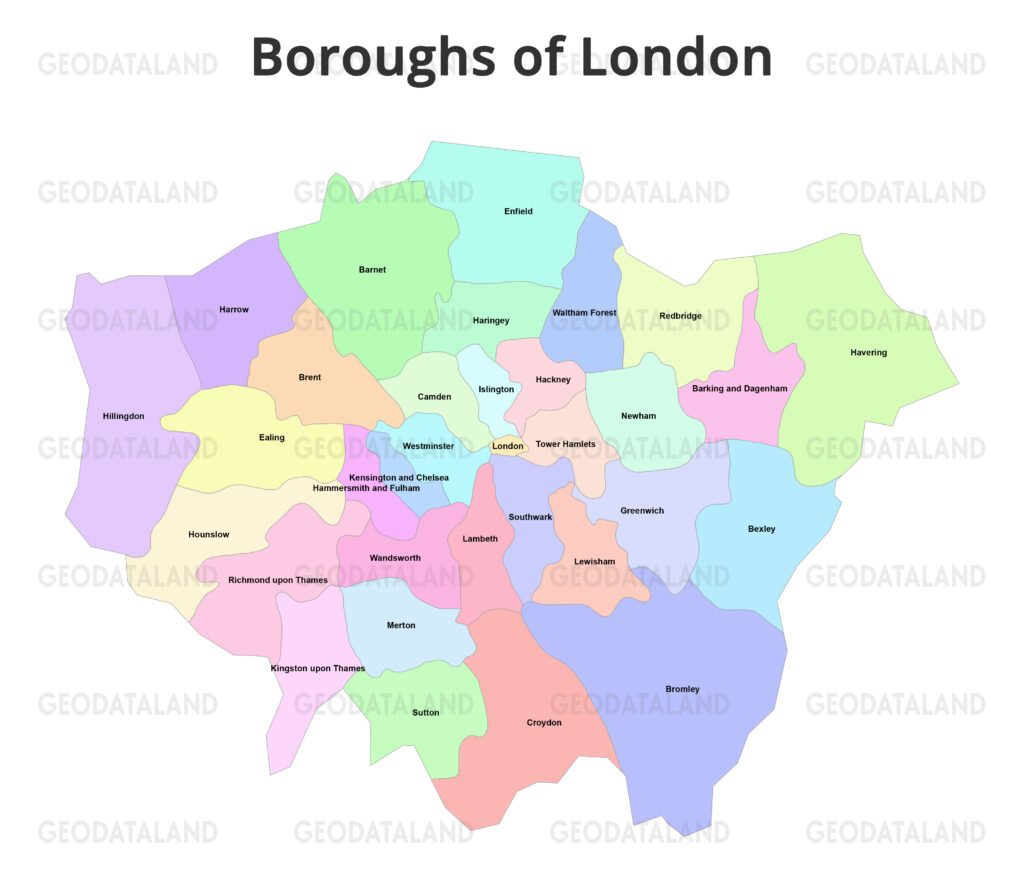
The London boroughs form a key component of the capital’s structure, influencing local governance, culture, and community life. As the UK capital continues to evolve, understanding the distinct characteristics and challenges faced by its 32 boroughs is essential for residents, policymakers, and visitors alike. The boroughs serve as administrative regions, each with its unique identity, demographics, and governance structures.
The Structure of London Boroughs
London is divided into 32 boroughs, alongside the City of London, which functions as a separate entity. Each borough has its own council responsible for local services such as education, transport, housing, and social services. This decentralised approach enables tailored governance that addresses the specific needs of diverse communities.
Recent Developments
In recent years, London boroughs have faced numerous challenges, from housing shortages to the impact of the COVID-19 pandemic. For instance, boroughs like Camden and Islington have been at the forefront of addressing the housing crisis, implementing policies to increase affordable housing stock. Furthermore, the pandemic has accelerated the need for digital services and online accessibility, leading many boroughs to enhance their technological infrastructure.
Cultural Diversity and Community Initiatives
London boroughs are celebrated for their rich cultural diversity. Boroughs such as Brent and Tower Hamlets are home to vibrant communities, showcasing a mix of cultures, cuisines, and traditions. Initiatives aimed at promoting community engagement and inclusivity, such as festivals and local art projects, have been implemented across boroughs to strengthen social cohesion and foster a sense of belonging.
Environmental Sustainability Efforts
With increasing emphasis on environmental sustainability, many boroughs are actively pursuing green initiatives. Areas such as Hackney and Greenwich are leading efforts to expand green spaces, promote cycling and walking, and reduce waste through innovative recycling programmes. These initiatives are crucial as London aims to become a more environmentally friendly city, aligning with global sustainability goals.
Conclusion
The London boroughs represent a vast and diverse mosaic that contributes to the capital’s identity. As these boroughs navigate the challenges of modern urban life while embracing opportunities for growth, they remain pivotal in shaping the social, economic, and cultural landscapes of London. Understanding the unique circumstances of each borough not only helps in appreciating London’s vibrancy but also informs discussions about future developments and community resilience.